This article has been reviewed according to Science X's editorial process and policies. Editors have highlighted the following attributes while ensuring the content's credibility:
A study by Australian researchers compared three mRNA-LNP vaccine platforms in human blood samples, generating findings that could advance cancer treatment and vaccine design.
mRNA-lipid nanoparticles (LNPs) transformed the way that vaccines are delivered to humans when they became widely used during the COVID-19 pandemic.
mRNA-LNPs are tiny parcels, ~800 times smaller than the width of a human hair, made of fatty acids (lipids) and containing cargo (messenger RNA) that needs to be delivered inside the body to generate a treatment response (for example, immunity to a virus).
Today, researchers around the world are investigating mRNA-LNPs as candidates for "cancer vaccines" that would deliver mRNA cargo to boost the patient's immune system and empower it to kill cancer more effectively.
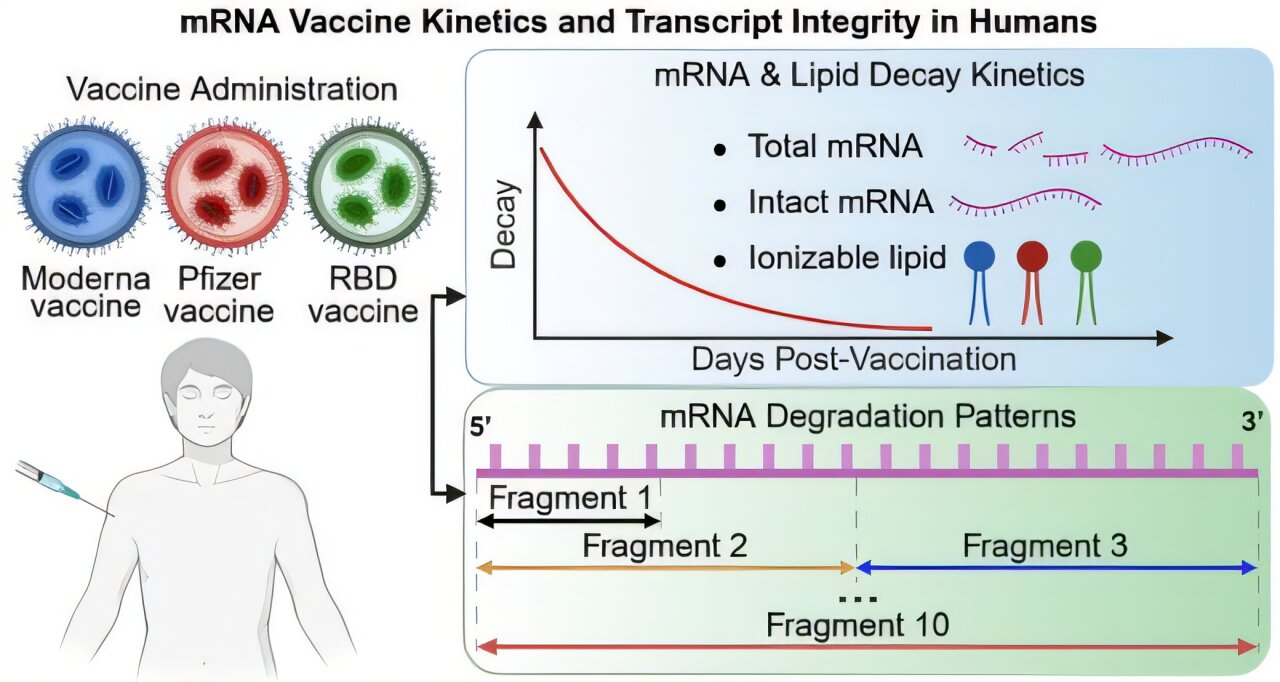
Led by researchers at the Olivia Newton-John Cancer Research Institute (ONJCRI) and the Peter Doherty Institute for Infection and Immunity, this study analyzed 327 blood samples from 73 participants who received Moderna, Pfizer or an investigational COVID-19 mRNA vaccine.
The team assessed whether the mRNA cargo was present in the blood and remained intact after delivery, the stability of the lipid-based packaging and where degradation occurred in the mRNA cargo.
Dr. Yi (David) Ju, senior author of the paper published in ACS Nano and laboratory head at ONJCRI, affiliated with La Trobe University as the School of Cancer Medicine, said, "mRNA vaccines do not all behave the same way in the bloodstream.
Source link