This article has been reviewed according to Science X's editorial process and policies. Editors have highlighted the following attributes while ensuring the content's credibility:
Survivors of major trauma can achieve a remarkable rate of recovery when given the right support, according to a new University of Manchester–led study examining a pioneering rehabilitation program developed in response to the needs arising from the Manchester Arena bombing.
The study offers a reminder that survival is only the beginning of recovery.
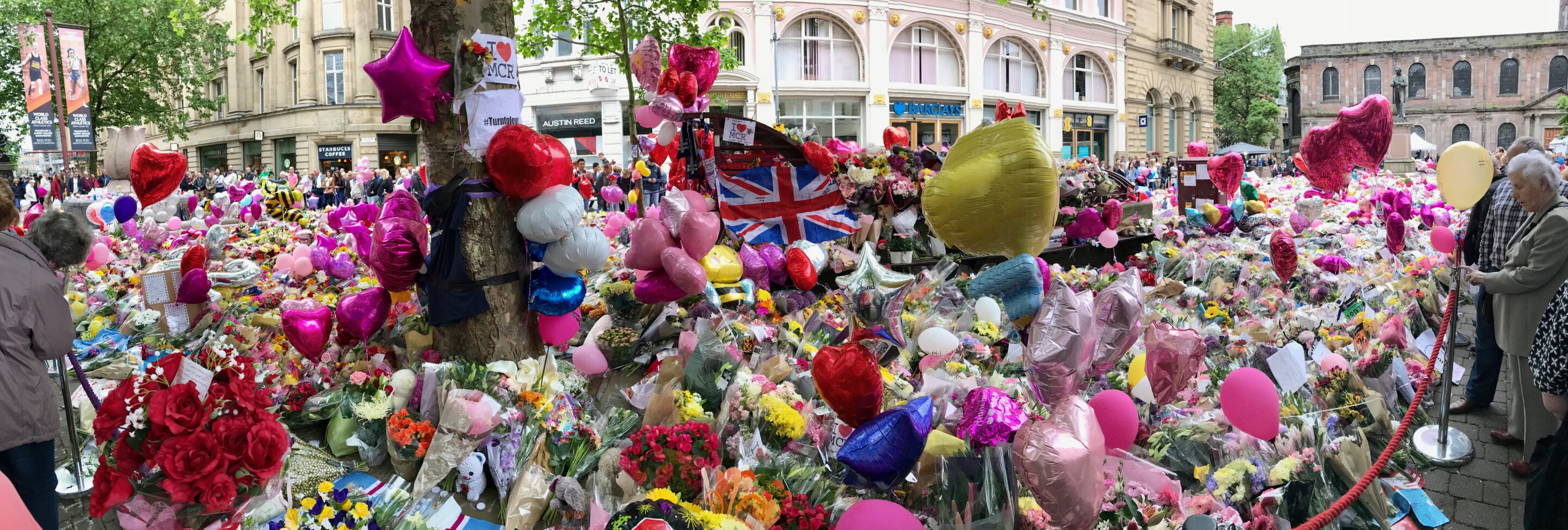
Published in the journal Physiotherapy, the study evaluated the Enhanced Rehabilitation Programme (ERP), a specialist multidisciplinary rehabilitation service established following the 2017 Manchester Arena attack.
The program provided intensive, personalized support for survivors who were still struggling with the physical and psychological consequences of their injuries more than a year after the event.
The researchers from the universities of Salford and Manchester, Manchester University NHS Foundation Trust (MFT) and Northern Care Alliance NHS Foundation Trust found that participants experienced substantial improvements in physical recovery, confidence, fitness, mental well-being and overall quality of life.
Survivors described achieving goals they once thought impossible, from walking without aids and reducing pain medication to returning to work, pursuing further education and rebuilding their independence.
While advances in trauma care mean more people than ever survive devastating injuries, many continue to live with long-term physical, psychological and social consequences that can persist for years after discharge from the hospital.
The ERP brought together physiotherapists, psychologists, occupational therapists, surgeons, sports scientists and rehabilitation specialists to address the complex challenges faced by major trauma survivors at the Manchester Institute of Health and Performance.
Source link