This article has been reviewed according to Science X's editorial process and policies. Editors have highlighted the following attributes while ensuring the content's credibility:
A new computational model using skin conductance measurements to estimate stress-related emotional arousal found a significant difference in learned fear and safety responses over time between adults with and without insomnia.
The study, by Dr. Rose T. Faghih of the New York University Tandon School of Engineering in the U.S. and collaborators at Harvard Medical School in the U.S., was published this week in the journal PLOS Mental Health.
Insomnia disorder, affecting an estimated 10% of the population, has been widely conceptualized as a disorder of chronic hyperarousal linked to emotional and autonomic dysregulation. Sleep is thought to help consolidate fear extinction, the process of learning that a previously threatening stimulus no longer signals danger, forming a new, inhibitory "safety memory" to override an established "fear memory."
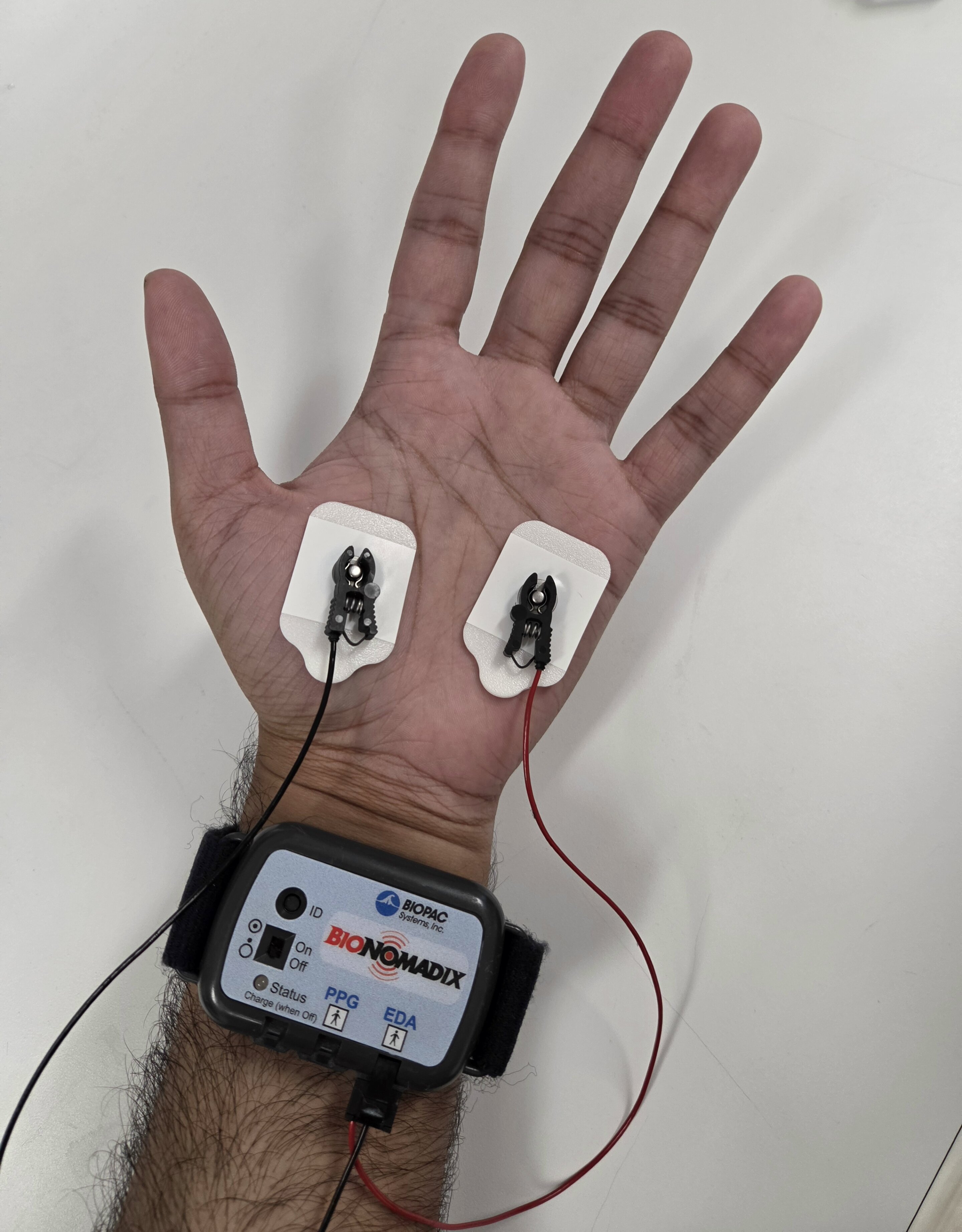
Skin conductance, changes in the skin's electrical properties driven by sweat gland activity, is a well-established marker of stress and emotional arousal. Previous studies looking at skin conductance and fear extinction have focused primarily on sharp, isolated instances of stress activity.
In the new study, researchers designed two statistical models estimating stress and arousal from skin conductance: one model using only isolated stress spikes and one model that also incorporated the signal's continuous background levels.
Both models were applied to skin conductance recordings from an initial cohort of 24 adults with insomnia and 24 good sleepers who completed a task in which they were temporarily conditioned to fear a visual stimulus, then learned it was no longer dangerous.
Source link