This article has been reviewed according to Science X's editorial process and policies. Editors have highlighted the following attributes while ensuring the content's credibility:
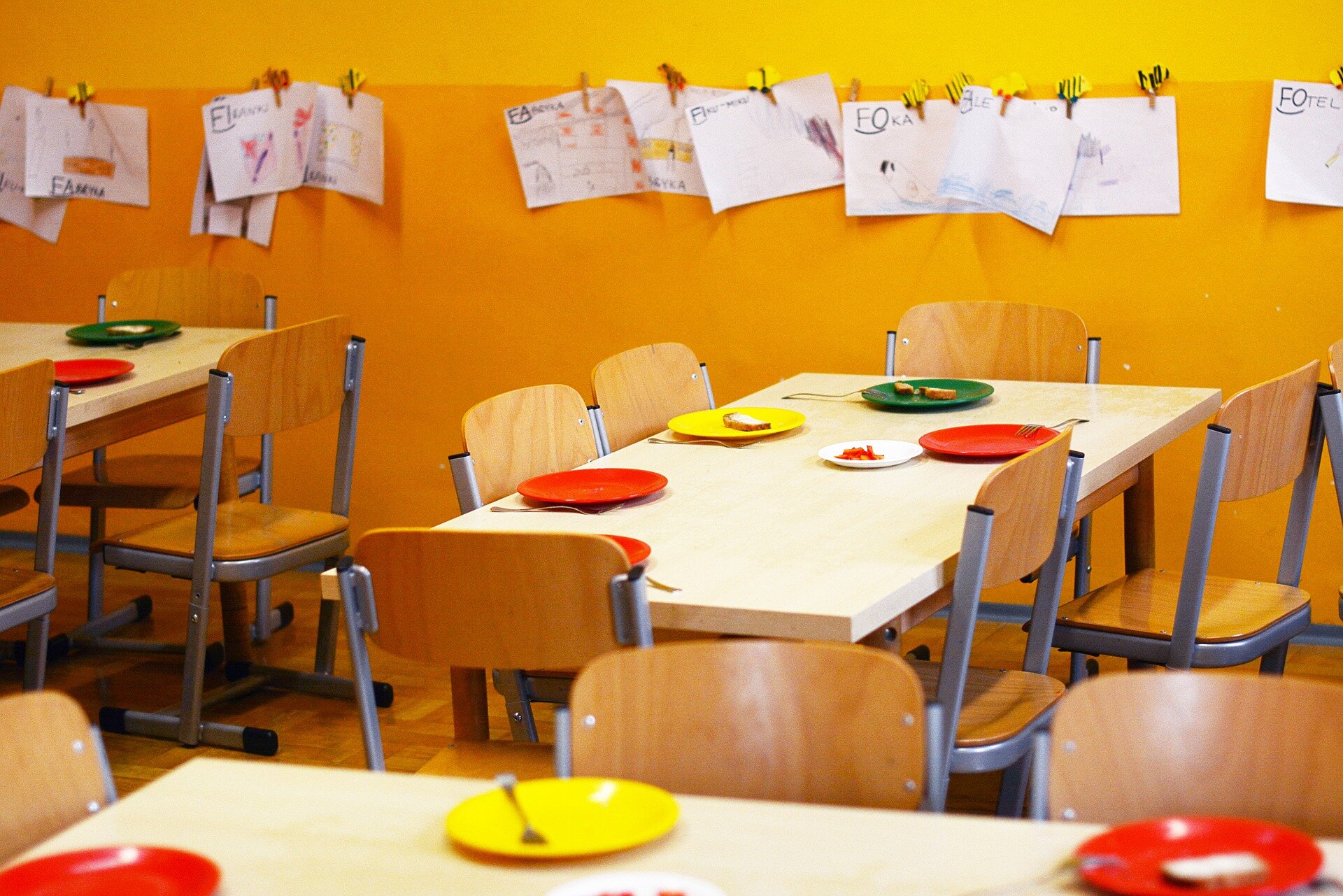
Participation in school meal programs was linked to lower blood concentrations of certain PFAS, pollutants commonly known as "forever chemicals," in a new study of Hispanic children in Northern Virginia.
The George Mason University–led study also found that eating more animal-based foods was associated with higher levels of some PFAS. Stronger English skills, being born in the United States and having mothers who had lived in the country longer were associated with lower exposure to certain PFAS.
Published in the Journal of Exposure Science & Environmental Epidemiology, the study is among the first to investigate potential sources of PFAS exposure in children from primarily Central American households.
Rooshna Mohsin, a recent Ph.D. graduate of the College of Public Health, led the research with her mentor, Professor Michael S. Bloom of the Department of Global and Community Health.
"If we want to help families reduce their exposure to PFAS, we need to understand what they eat and the resources available to them," said Mohsin, who earned her Ph.D. in public health with a concentration in epidemiology and is now a postdoctoral research associate at Washington University in St. Louis. "This study highlights the necessity of community-informed interventions—such as with dietary habits—to mitigate exposure."
PFAS, short for per- and polyfluoroalkyl substances, are manufactured chemicals that have been used in products like nonstick cookware, stain-resistant fabrics and grease-resistant food packaging.
Source link