This article has been reviewed according to Science X's editorial process and policies. Editors have highlighted the following attributes while ensuring the content's credibility:
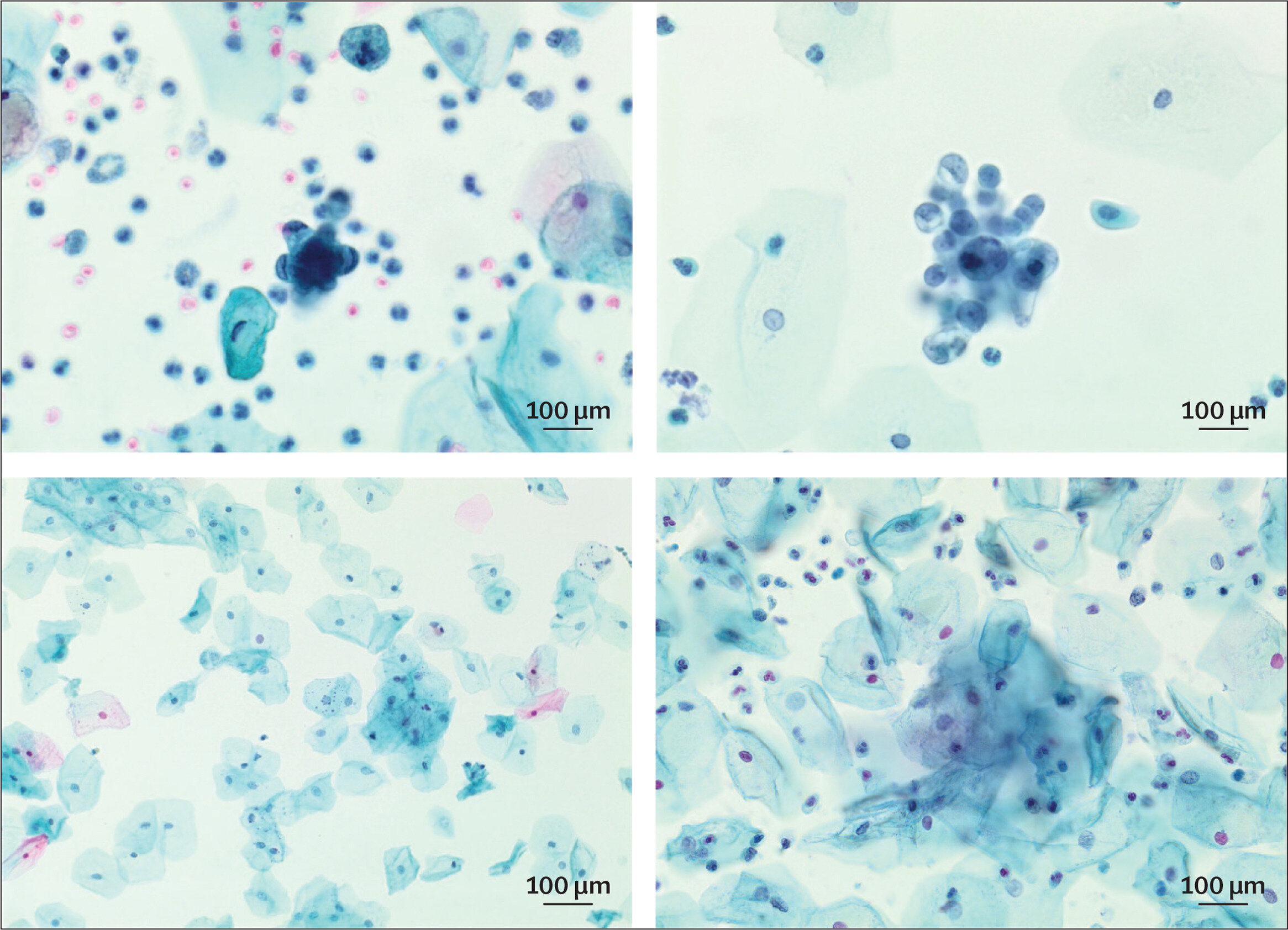
A new test using cells collected from urine and vaginal fluid could help rule out uterine and other cancers in most women who experience bleeding after menopause, University of Manchester researchers have found. Their study, published Sept. 22 in The Lancet Obstetrics, Gynaecology & Women's Health, found that the test could potentially reduce the need for invasive hospital tests, easing anxiety during what can be a distressing time for many women.
The research team, also based at Manchester University NHS Foundation Trust (MFT), showed that the new test can detect uterine cancer, also known as endometrial cancer, with high accuracy.
Postmenopausal bleeding currently triggers urgent investigation for possible cancer, often involving a series of uncomfortable, invasive and costly tests, even though most women will not receive a cancer diagnosis.
Further work from the group, also published in the same journal Sept. 22, showed that current tests are poorly calibrated for Black people, leading to health inequalities in diagnosis, treatment and patient outcomes.
The new test was particularly effective at detecting aggressive and advanced cancers and performed exceptionally well in Black women, who are twice as likely to die from uterine cancer as white women in the U.K.
The researchers say the new test could therefore help reduce health inequities and improve outcomes for previously disadvantaged groups, including those unable to tolerate routine procedures.
Source link