This article has been reviewed according to Science X's editorial process and policies. Editors have highlighted the following attributes while ensuring the content's credibility:
Two new studies led by researchers at the UCLA Health Jonsson Comprehensive Cancer Center provide new insight into how the immune system can successfully be activated against glioblastoma while revealing why these therapies have historically fallen short.
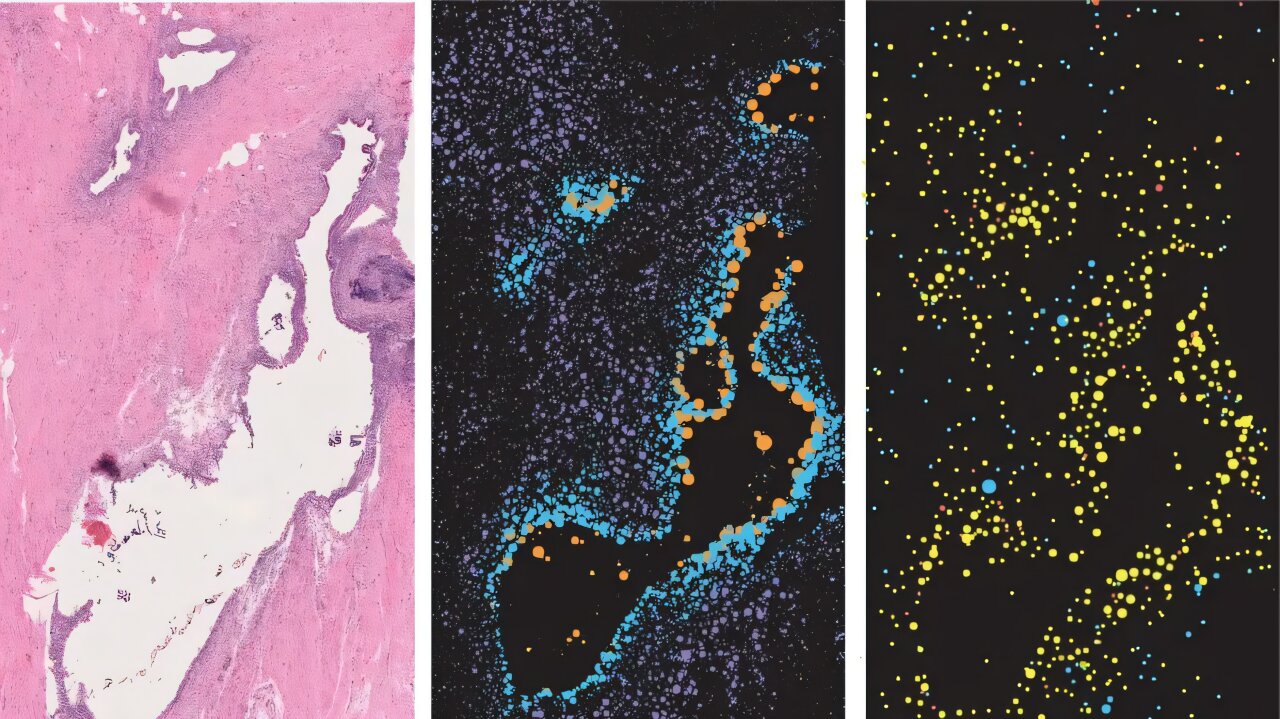
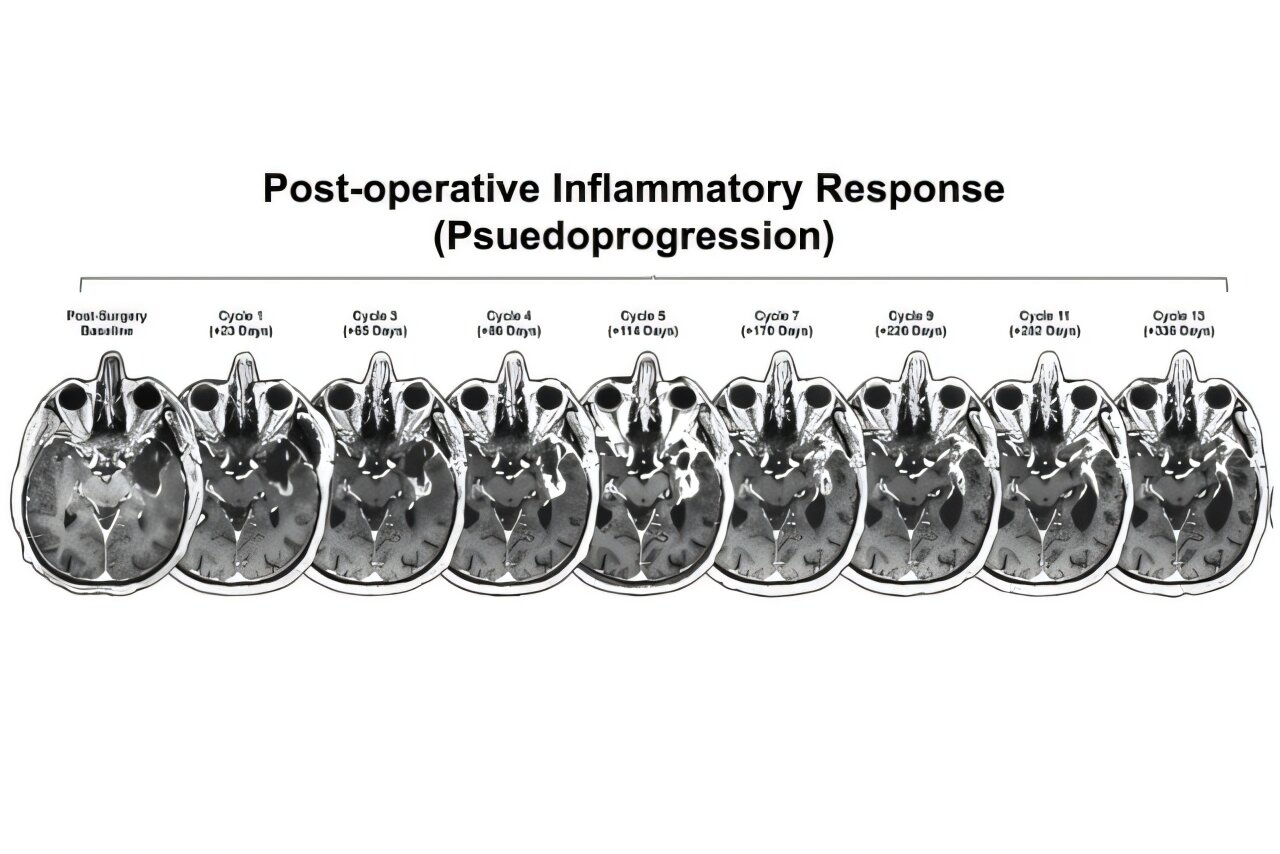
One study identified features of an effective immune response associated with long-term survival following combination treatment with two immune checkpoint inhibitors, while the other introduced a new preclinical model that more faithfully replicates human glioblastoma, providing a more rigorous platform for developing and testing next-generation treatments.
Glioblastoma is the most aggressive form of brain cancer and remains difficult to treat, with most patients experiencing recurrence despite surgery, radiation and chemotherapy. Unlike many other cancers, glioblastoma has shown limited response to immunotherapy, highlighting the need for a better understanding of how the disease interacts with the immune system.
"For years we've known that immunotherapy works remarkably well in some cancers but has consistently fallen short in glioblastoma, and we've been trying to understand why," said Robert Prins, professor of neurosurgery and molecular and medical pharmacology at the David Geffen School of Medicine at UCLA and senior author of both studies.
"These studies help explain both sides of that equation. One shows what an effective immune response against glioblastoma looks like in patients, while the other provides a model that faithfully recreates the biology that prevents that response.
Source link