This article has been reviewed according to Science X's editorial process and policies. Editors have highlighted the following attributes while ensuring the content's credibility:
A study led by researchers at the University of California San Diego School of Medicine and University of California, Riverside (UCR) School of Medicine has identified new targets for antiviral drugs against coronaviruses, including SARS-CoV-2, the virus that causes COVID-19. These new targets could help scientists discover treatments that are less vulnerable to the rapid evolution of these viruses.
"There's so much we don't know about coronaviruses at a fundamental biological level, and everything we learn gives us more options when developing treatments," said senior study author Gene Yeo, professor of cellular and molecular medicine at UC San Diego School of Medicine, director of the Center for RNA Technologies and Therapeutics and director of the Sanford Stem Cell Innovation Center. "If we want to stay ahead of these viruses, we have to understand them from the inside out."
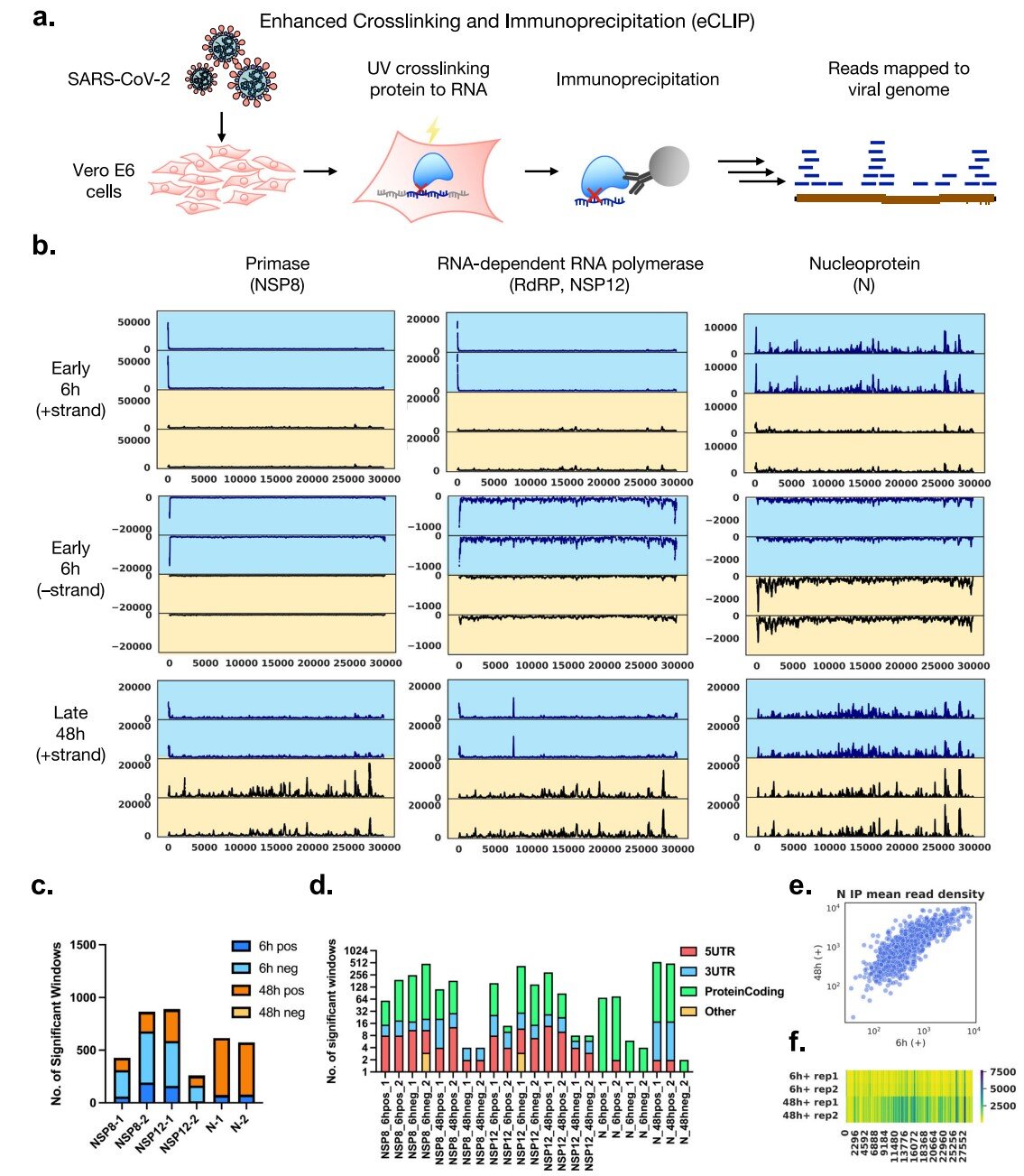
The research, published in Nature Communications, mapped previously unknown interactions between the RNA that makes up the SARS-CoV-2 genome and proteins involved in the virus's replication and regulation. The team identified specific RNA-binding sites for three proteins—primase cofactor (NSP8), RNA-dependent RNA polymerase (NSP12) and nucleocapsid (N)—and found that disrupting these interactions significantly reduced viral replication.
The results offer an early proof of concept for targeting RNA-protein interactions as a treatment strategy for diseases caused by coronaviruses, including COVID-19.
"SARS-CoV-2 evolves very quickly, so it's important to understand the really basic and essential machinery of the virus," said Joy Xiang, assistant professor of biomedical sciences at UCR School of Medicine.
Source link