This article has been reviewed according to Science X's editorial process and policies. Editors have highlighted the following attributes while ensuring the content's credibility:
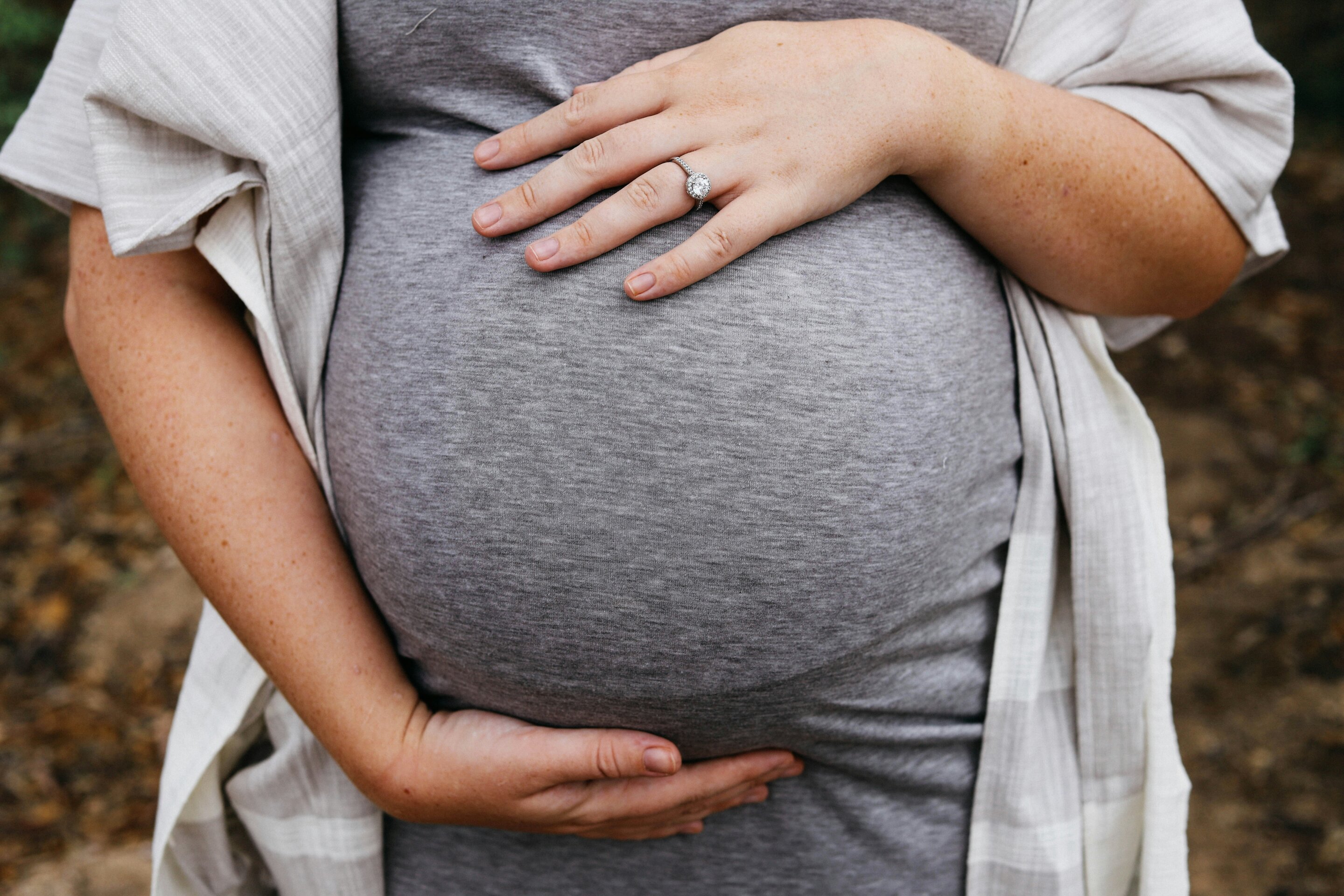
New research found a higher risk of perinatal depression in pregnant women with restless legs syndrome.
Results show that pregnant women with RLS were three times more likely to develop perinatal depression, which involves major depressive episodes during pregnancy or the months after childbirth. They were also two times more likely to develop depressive symptoms. The association was strongest when RLS occurred during the third trimester. The findings remained significant after accounting for factors including age, education, partner status, occupation, number of children and whether the pregnancy was planned.
"We found that pregnant women with restless legs syndrome had about three times the risk of developing perinatal depression," said first author Dr. Kazuhide Tezuka, a visiting researcher in the department of mental health at the University of Tokyo Graduate School of Medicine. "This association was seen for restless legs syndrome identified in the third trimester, but not in the second."
The study was published Aug. 31 in the Journal of Clinical Sleep Medicine.
Restless legs syndrome is a sleep-related movement disorder characterized by a strong, nearly irresistible urge to move the legs, often accompanied by other uncomfortable sensations felt in the legs. These symptoms begin or worsen during periods of rest or inactivity, are temporarily or totally relieved by movement and occur exclusively or predominantly in the evening or at night, making it difficult to fall asleep.
Source link