This article has been reviewed according to Science X's editorial process and policies. Editors have highlighted the following attributes while ensuring the content's credibility:
As a pathologist, Dr. Christopher Owens has spent his career trying to improve his methods of catching precancerous colorectal polyps in patients. If he could catch cases earlier, fewer people would develop colorectal cancer, he said.
An estimated 1.9 million people around the world are diagnosed with colorectal cancer every year, according to the World Health Organization.
Many in the early stages of the disease show no symptoms, noted Owens, an associate medical director at Quest Diagnostics, a clinical lab in Marlborough, Massachusetts, that provides cancer screening tests.
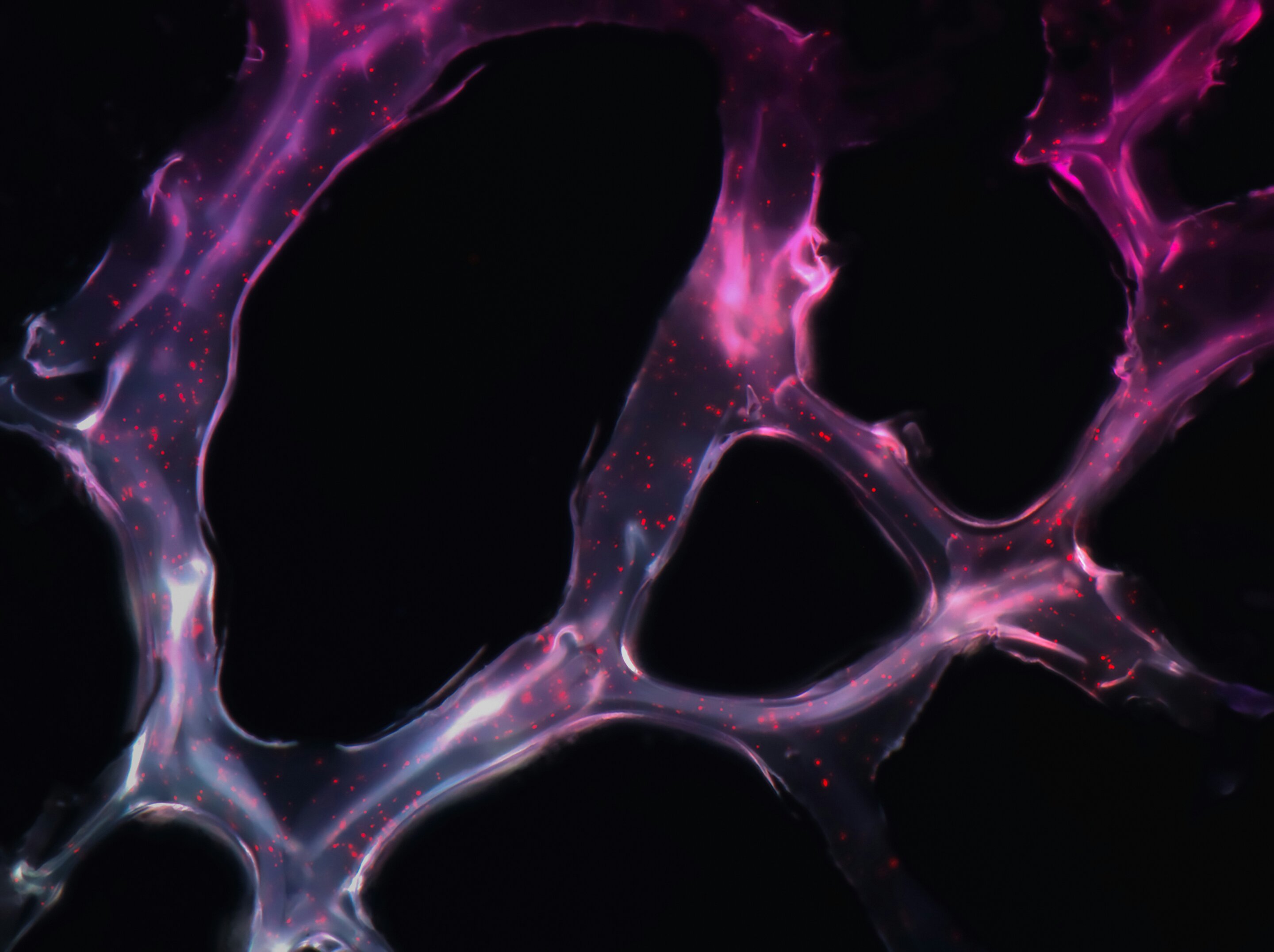
But one early warning sign that a patient may develop colon cancer is the presence of sessile serrated adenomas, or SSAs, in their tissue. SSAs are precancerous lesions found in the inner lining of the colon. However, these lesions can be hard to detect in certain cases because they are hard to spot on biopsy slides, Owens said.
"They look very much like a polyp called a hyperplastic polyp, which is completely benign," he said. "We're looking for subtle clues in the architecture of the cells themselves to determine which type of polyp it is."
Northeastern University findings, published in Lecture Notes in Computer Science, show that a class of screening models equipped with the same foundational technology found in AI chatbots could be key in helping doctors like Owens spot those polyps more easily.
Source link