This article has been reviewed according to Science X's editorial process and policies. Editors have highlighted the following attributes while ensuring the content's credibility:
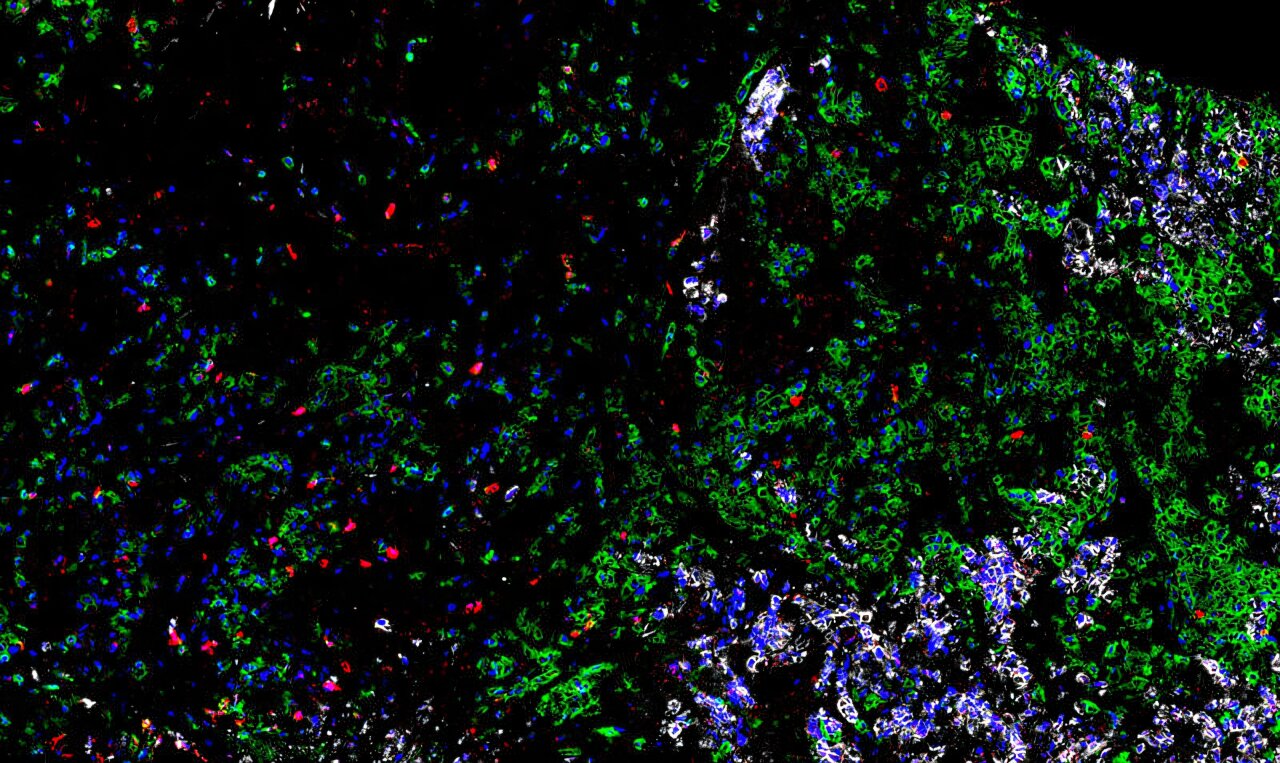
Researchers at the UCLA Health Jonsson Comprehensive Cancer Center used a CRISPR screen to identify a key molecular pathway that drives exhaustion in cancer-fighting immune cells, limiting their ability to keep tumors under control.
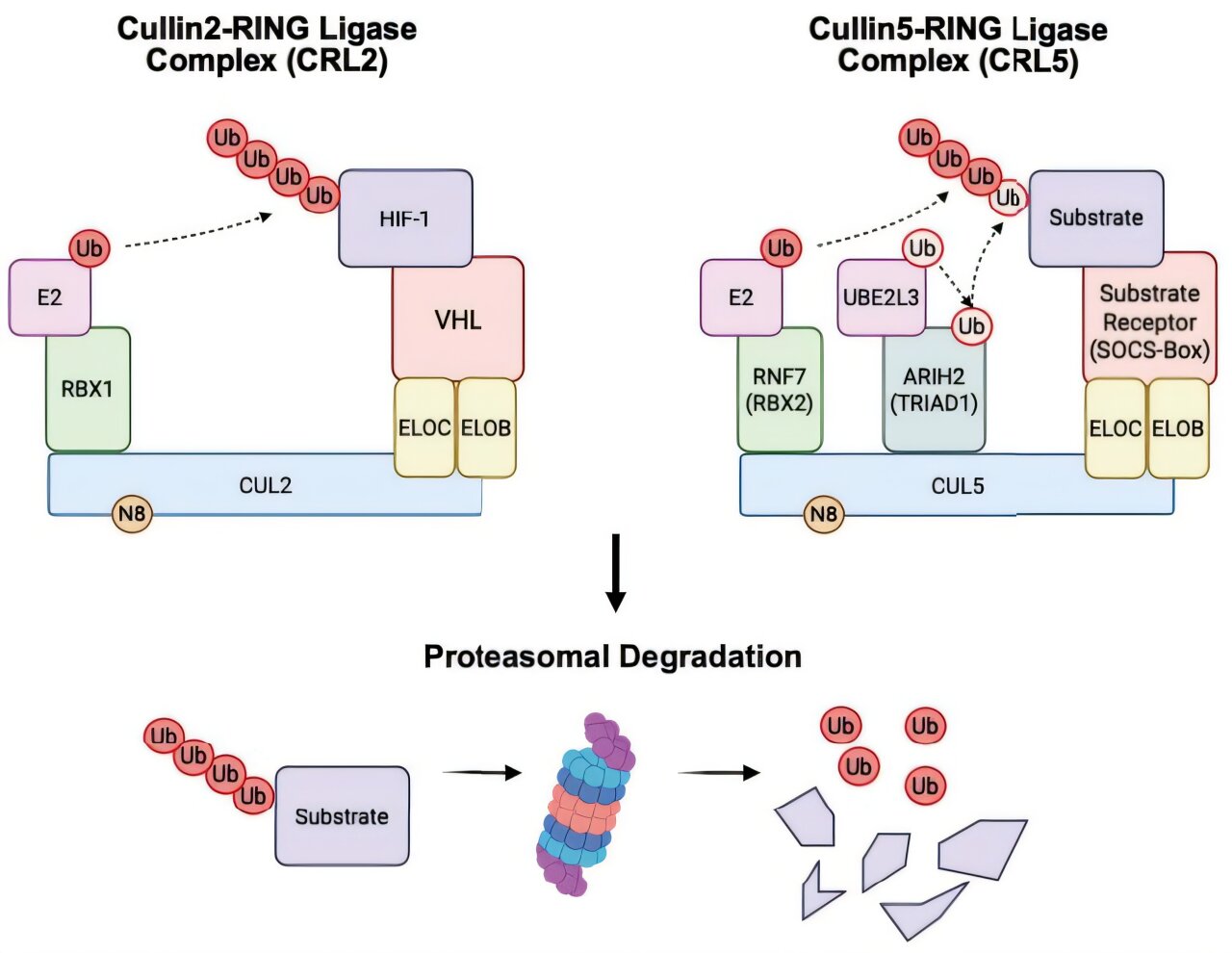
In the study published in the journal Cancer Immunology Research, investigators found that blocking the pathway, known as the Cullin-5 RING E3 ligase complex (CRL5), allowed engineered immune cells to stay active longer, produce stronger antitumor responses and resist exhaustion in preclinical models.
The discovery could help researchers develop longer-lasting immunotherapies for solid tumors, including CAR T-cell therapies and other forms of adoptive cell therapy.
T-cell exhaustion is one of the main reasons many immunotherapies stop working or fail to produce lasting responses. T cells are the immune system's primary cancer-fighting cells, but in many cancers they are exposed to tumor signals for long periods, gradually losing their ability to effectively attack cancer.
This T-cell exhaustion is especially problematic in solid tumors, where therapies such as CAR-T cells, tumor-infiltrating lymphocyte therapies and T-cell receptor-engineered therapies often struggle to remain effective over time.
"Immunotherapy depends on T cells staying active long enough to continuously recognize and kill cancer cells," said Justin Saco, a graduate student in the laboratory of Dr. Antoni Ribas at UCLA and first author of the study. "If they lose function too early, tumors can grow back or escape immune control.
Source link