This article has been reviewed according to Science X's editorial process and policies. Editors have highlighted the following attributes while ensuring the content's credibility:
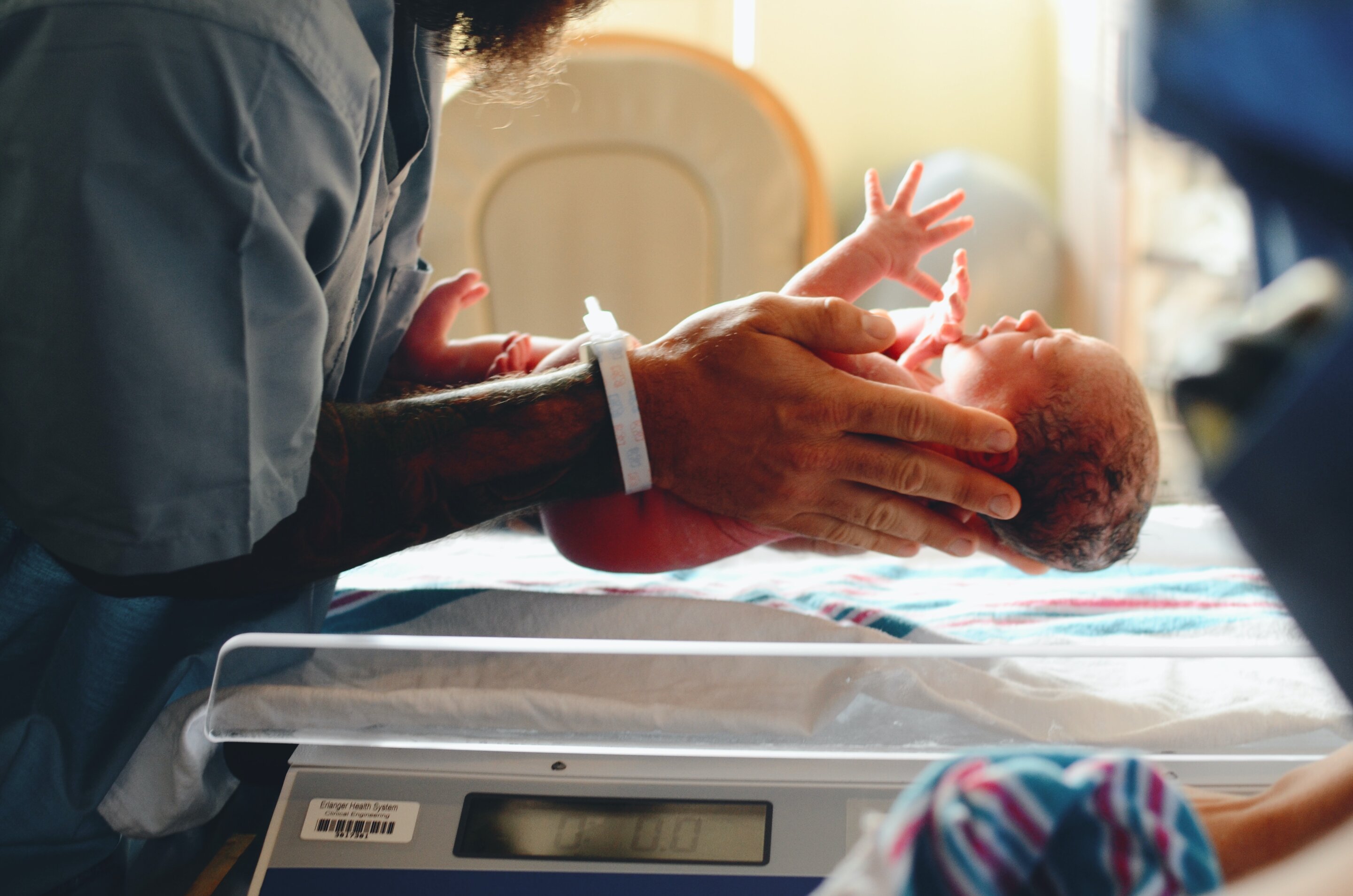
A new study reveals that when a baby is born prematurely, their cerebellum, the part of the brain with a critical role in motor function, language and cognition, grows and develops in a different way than it would if the baby remained in utero to full term.
The findings, published in Science, solve a long-standing medical puzzle: why so many premature infants go on to face challenges with movement, language and learning in childhood, even though they have no detectable brain injuries. In short, the study overturns the decades-old view that premature birth slows down brain growth but that early arrivals "catch up" with their original due date and beyond.
"We could always see the developmental differences that premature children faced, but we could not see the cellular machinery driving them," says senior author Panagiotis Kratimenos, M.D., Ph.D., a physician-scientist, neonatologist and director of Research and the Neonatal Neurocritical Care Program at Children's National Hospital.
"We now have a biological explanation thanks to a unique combination of data from both living participants and from existing brain tissue samples."
Between 24 and 40 weeks of pregnancy, the human cerebellum undergoes its most rapid period of development, expanding fivefold in size as its primary neurons wire together into complex communication networks. This entire growth period happens inside the protective environment of the uterus for a full-term infant.
Source link