This article has been reviewed according to Science X's editorial process and policies. Editors have highlighted the following attributes while ensuring the content's credibility:
In cancer cachexia, patients continue to lose weight, muscle and fat even when they eat. A KAIST research team has developed a therapeutic candidate that blocks a signal responsible for appetite suppression, weight loss and excessive energy expenditure.
In mouse experiments, the candidate restored food intake and reduced muscle and fat loss. The researchers hope it will help cancer patients maintain the physical strength they need to continue treatment.
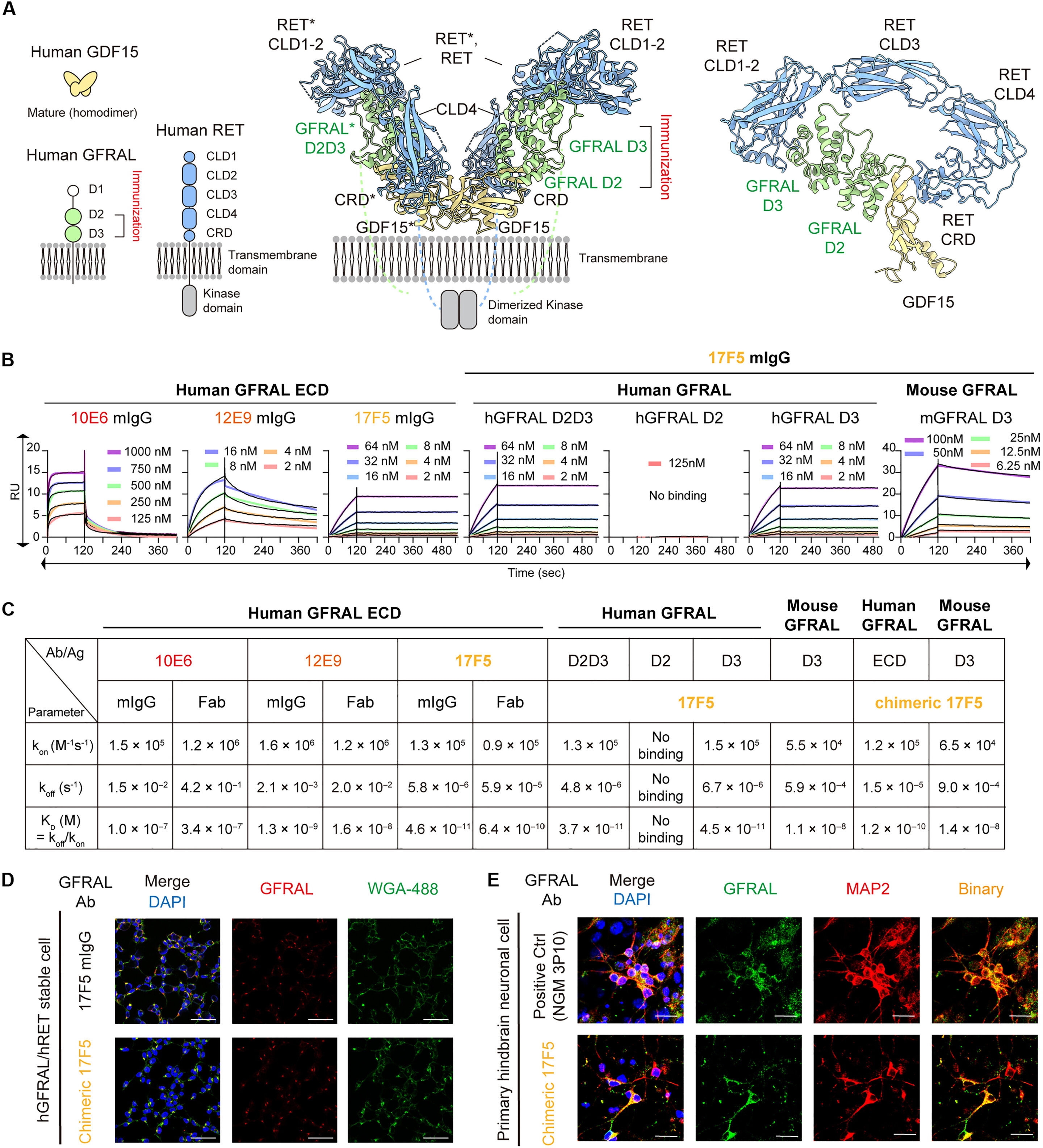
A research team led by professor Ho Min Kim from the Department of Biological Sciences, in collaboration with a team led by professor Minho Shong of the Graduate School of Medical Science and Engineering (CEO of THOR Therapeutics, a KAIST faculty startup), has developed GB2Ab, an antibody candidate that alleviates cancer cachexia in mice.
An antibody is a protein that recognizes and binds to a specific substance. The team used this property to block a signaling pathway that contributes to physical wasting and demonstrated therapeutic effects in mice. A therapeutic candidate is a substance being evaluated for its efficacy and safety for potential development into a treatment.
Cancer cachexia differs from weight loss caused simply by poor appetite or reduced food intake. It is a complication in which cancer alters the way the body uses nutrients and energy, leading to the loss of both muscle and fat. Because nutritional support alone is often insufficient to reverse this process, cachexia can make it difficult for patients to carry out daily activities and continue cancer treatment.
Source link