Starting in 2027, the controversial drug middlemen will have to share a broad swath of fee and compensation data with their self-funded employer clients.
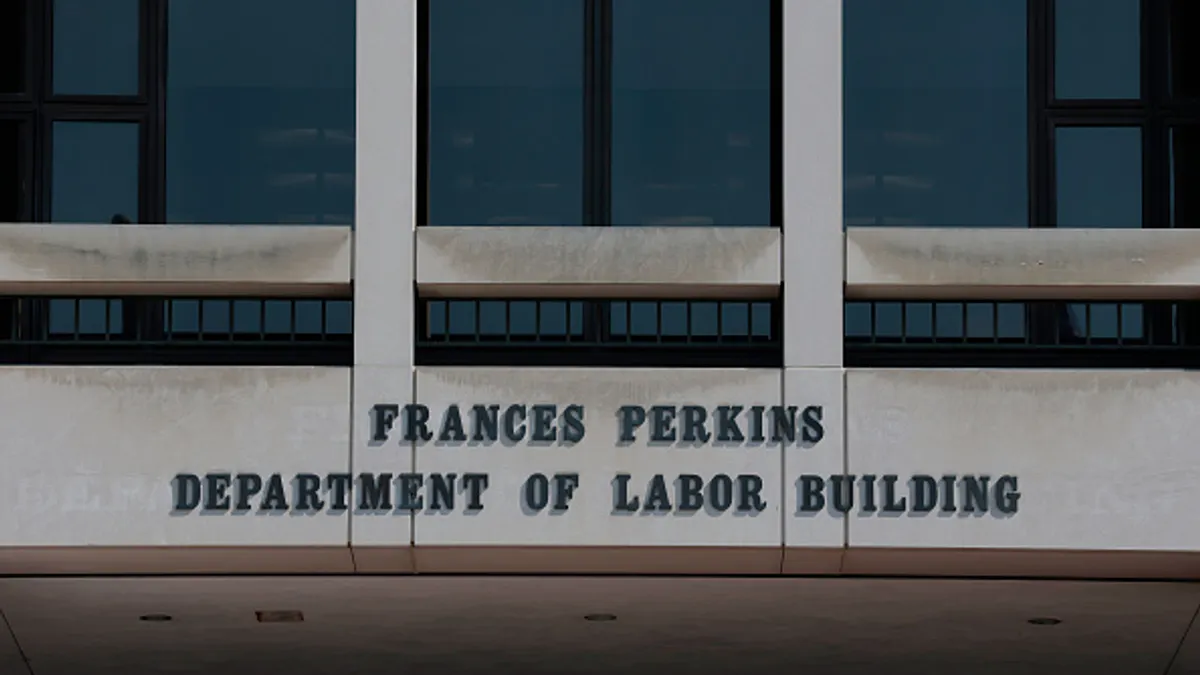
Pharmacy benefit managers will soon be required to share exhaustive information about their compensation with self-insured employer clients, under a Department of Labor rule finalized on Thursday that regulators expect will lower drug costs for employers and their workers by $22 billion over a decade.
The rule, which is broadly supported by employers and policymakers but vociferously opposed by PBMs, requires the drug middlemen to disclose a broad swath of data around the payments they get from drugmakers, pharmacies and other entities in the pharmaceutical supply chain for the first time.
That includes any rebates negotiated with drugmakers on medications, and “spread” payments a PBM keeps when the plan pays more for a prescription drug than the PBM reimburses a pharmacy.
Under the final rule, which takes effect July 2027, PBMs will have to share that information when negotiating or renewing a contract with an employer, as well as every six months. Employers will be able to audit the PBM disclosures once a year.
The rule enacts potentially severe consequences for PBMs that don’t comply, including financial penalties and potential invalidation of their contract.
In a press release Thursday, Trump administration officials said the rule will arm employers with the information they need to properly negotiate contracts and lower drug costs for workers and their families.
“This is a win for every American worker who has ever paid too much at the pharmacy counter,” Secretary of Labor Keith Sonderling said in a statement .
Source link