This article has been reviewed according to Science X's editorial process and policies. Editors have highlighted the following attributes while ensuring the content's credibility:
The menopause transition is often associated with genital changes, sexual discomfort and urinary issues—symptoms that collectively are known as the genitourinary syndrome of menopause (GSM). Hormone and nonhormone treatments are available to manage these symptoms.
A new pilot study explores histologic changes after microablative fractional radiofrequency. Results of the study will be presented at the 2026 Annual Meeting of The Menopause Society in San Diego, Oct. 20–24, 2026.
In postmenopausal women with GSM, declining estrogen levels cause the vaginal lining to thin, lose collagen and elasticity and become fragile and dry. The result is often painful sex and urinary problems. Treatment options include hormone and nonhormone approaches such as vaginal moisturizers, lubricants and vaginal dilators.
Energy-based therapies have also been investigated as nonhormone approaches for GSM. Microablative fractional radiofrequency delivers controlled thermal energy to vaginal tissue, creating microscopic zones of injury intended to stimulate tissue remodeling and collagen production.
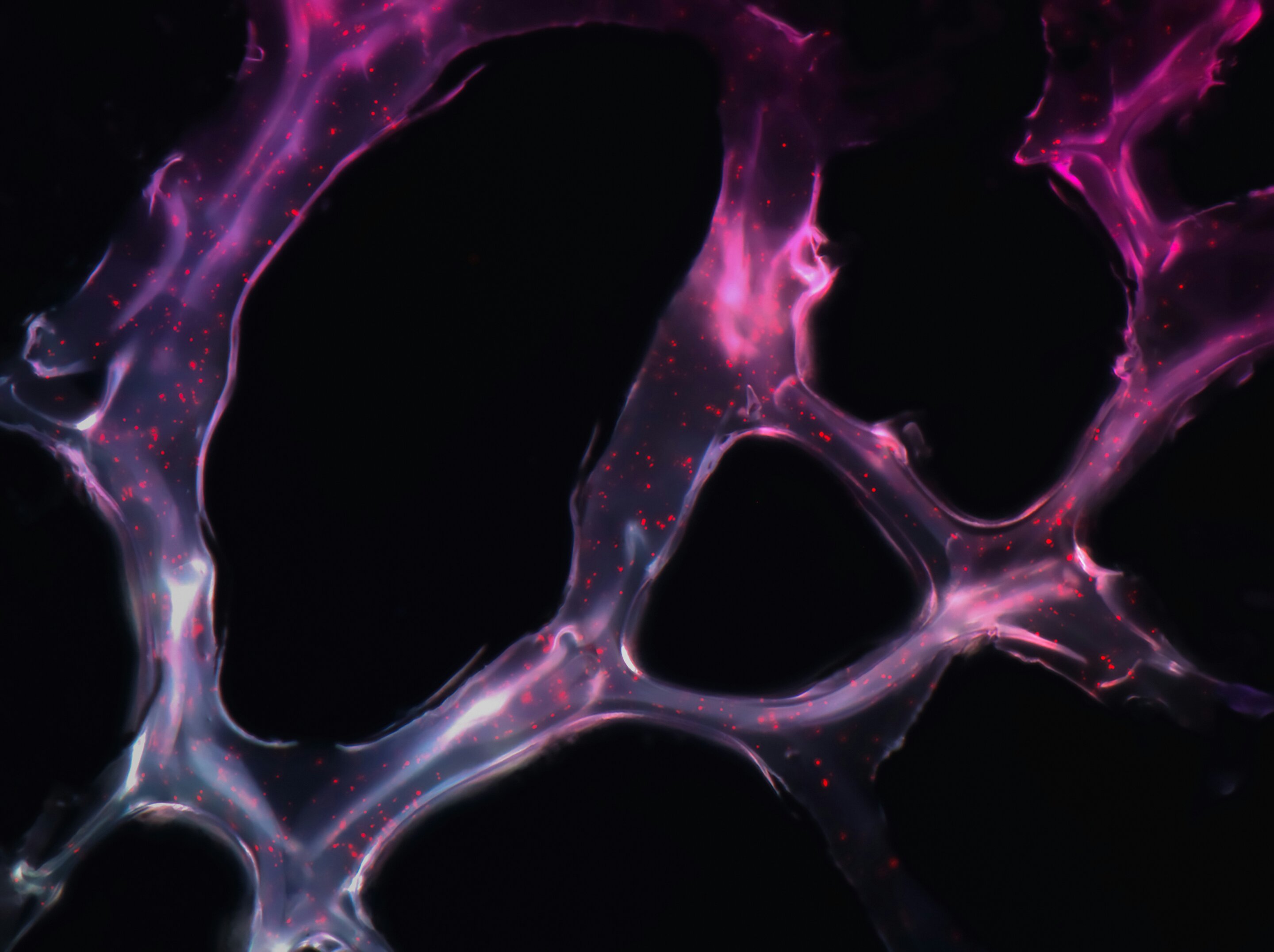
A pilot study from Brazil involving 14 postmenopausal women with GSM evaluated the effects of microablative fractional radiofrequency on vaginal epithelial morphometry and stromal collagen. A trend toward increased vaginal epithelial thickness and stromal collagen fiber size was observed after treatment, with substantial variability among participants. Neither change reached statistical significance. Larger controlled studies are needed to confirm these findings and identify predictors of histological response.
"These findings provide a histological perspective on how vaginal tissue may respond to microablative fractional radiofrequency.
Source link