This article has been reviewed according to Science X's editorial process and policies. Editors have highlighted the following attributes while ensuring the content's credibility:
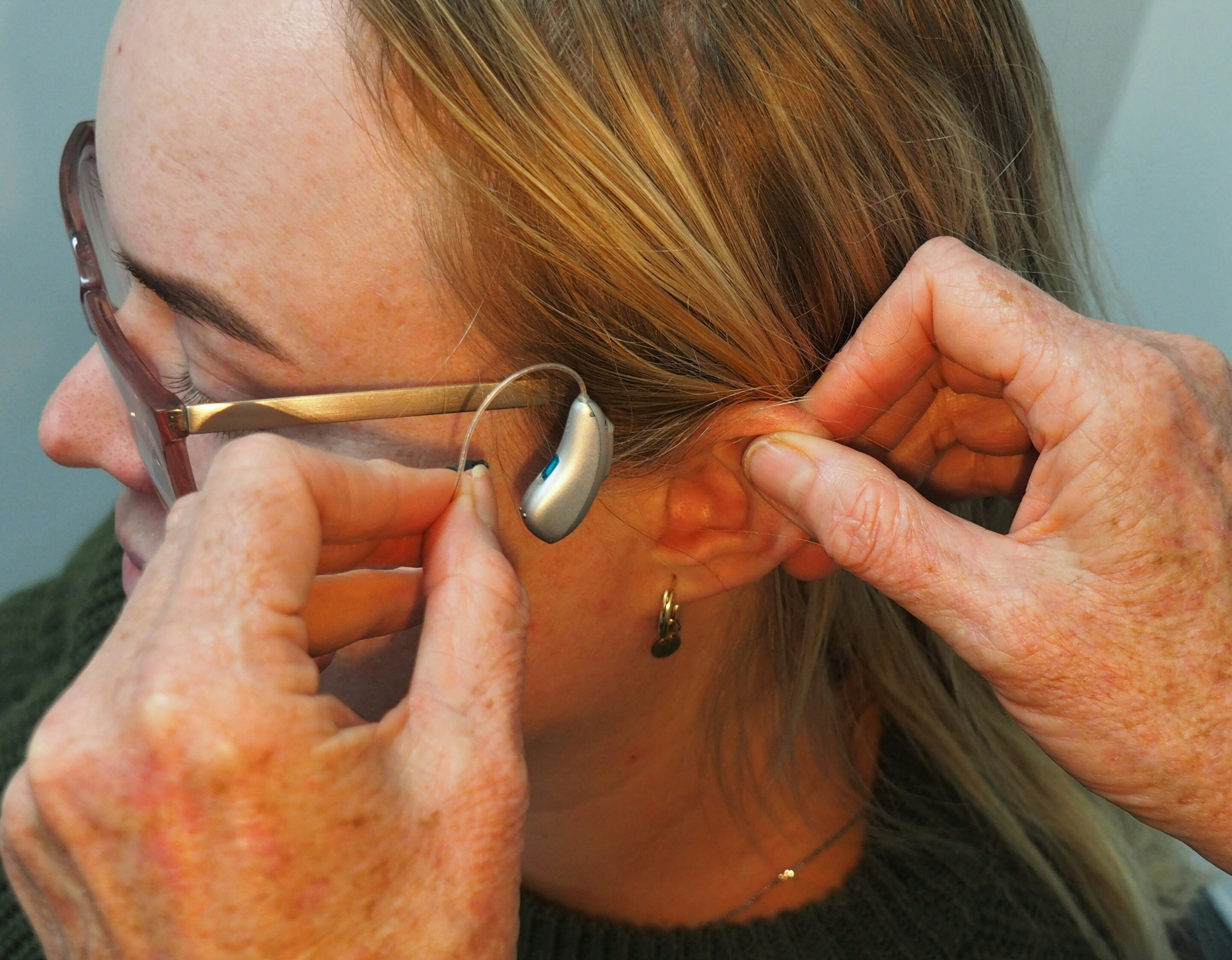
Despite gradual progress in insurance policies requiring hearing aid coverage, many Americans still lack guaranteed access to these essential devices, according to a new study published in JAMA Otolaryngology–Head & Neck Surgery.
The study found substantial differences in mandated coverage across age groups, with the greatest increase among children and the most persistent gaps among older adults.
Titled "Longitudinal Growth of Mandated Hearing Aid Benefits in the US," the study analyzed data from more than 50 million people to examine hearing aid coverage requirements across private insurance, Medicaid and federal programs serving veterans and military families.
Michelle Arnold, an audiologist and associate professor in the University of South Florida's Department of Communication Sciences and Disorders, led the research with colleagues from the University of Missouri, Columbia; Georgia State University; the University of California, Irvine; and the University of Texas at San Antonio.
"Adults covered by Medicare and those living in households experiencing poverty are largely left out of gains in hearing aid insurance coverage that we've seen over the past 20 years," Arnold said. "This is problematic, because we know that hearing aids can help reduce risks for serious health conditions such as cognitive decline, falls, hospitalizations and mental health problems."
Without insurance coverage, the cost of prescription hearing aids can be a substantial barrier. Average out-of-pocket costs range from $2,000 to $7,000 per set.
Source link