This article has been reviewed according to Science X's editorial process and policies. Editors have highlighted the following attributes while ensuring the content's credibility:
Why do some prostate cancers grow slowly for years, while others progress quickly to life-threatening metastatic disease? An international team of researchers co-led by the Ontario Institute for Cancer Research (OICR) and the University of Copenhagen has uncovered new clues in the genomes of prostate cancers.
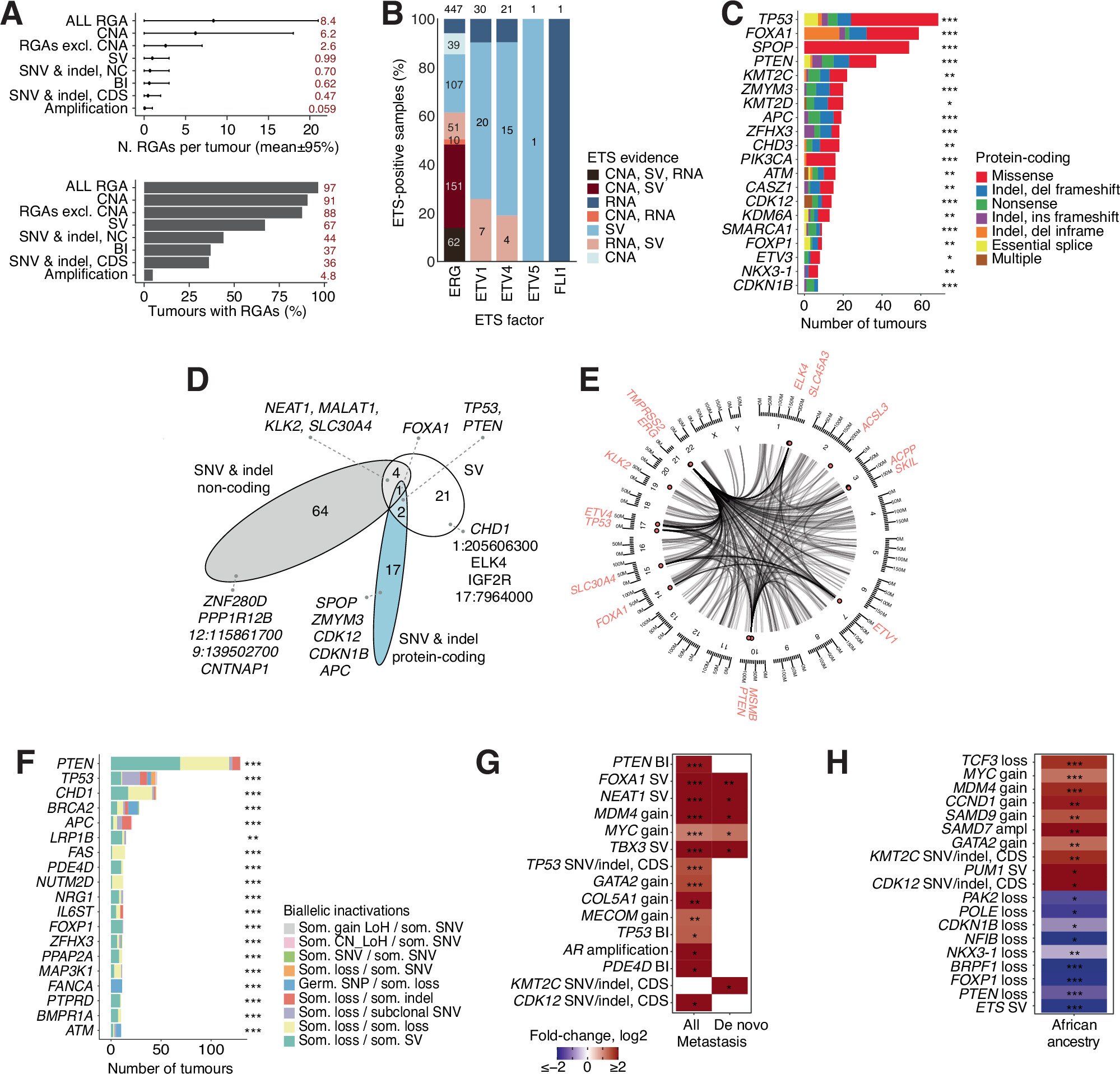
They built a comprehensive catalog of genetic alterations that may drive prostate cancer, including alterations associated with metastatic disease. The study also uncovered previously unknown genetic alterations that may drive cancer and four genomic subtypes associated with different clinical outcomes.
"Previous studies have largely focused on mutations in known cancer genes, but many important changes occur elsewhere in the genome," says Dr. Jüri Reimand, senior principal investigator at OICR, associate professor at the University of Toronto and one of the senior authors of the study.
"By studying the entire cancer genome and combining our knowledge about different types of genetic changes with clinical data about patient outcomes, we can better understand what drives prostate cancer and why some tumors are more aggressive than others."
In the study, published in Nature Communications, Reimand and colleagues used computational methods to analyze whole-genome sequencing data from nearly 1,000 prostate tumors.
They found that 97% of tumors carried at least one genetic alteration identified as a known or potential cancer driver. The alterations included changes in established cancer genes such as PTEN and MYC, as well as previously unrecognized candidate drivers outside protein-coding regions of the genome.
Source link