This article has been reviewed according to Science X's editorial process and policies. Editors have highlighted the following attributes while ensuring the content's credibility:
Learning new eating habits isn't simple. Our preexisting feelings around food—whether it's a distaste for olives or a love of pastries—could make it harder to learn new eating habits, according to new research from Yale School of Medicine.
Changing how we eat can have a big impact on health, both for managing conditions like diabetes and for maintaining overall well-being. But people often struggle to switch up their diet. Now, a new study published Oct. 9 in Communications Psychology suggests that how we feel about food going in may play a role.
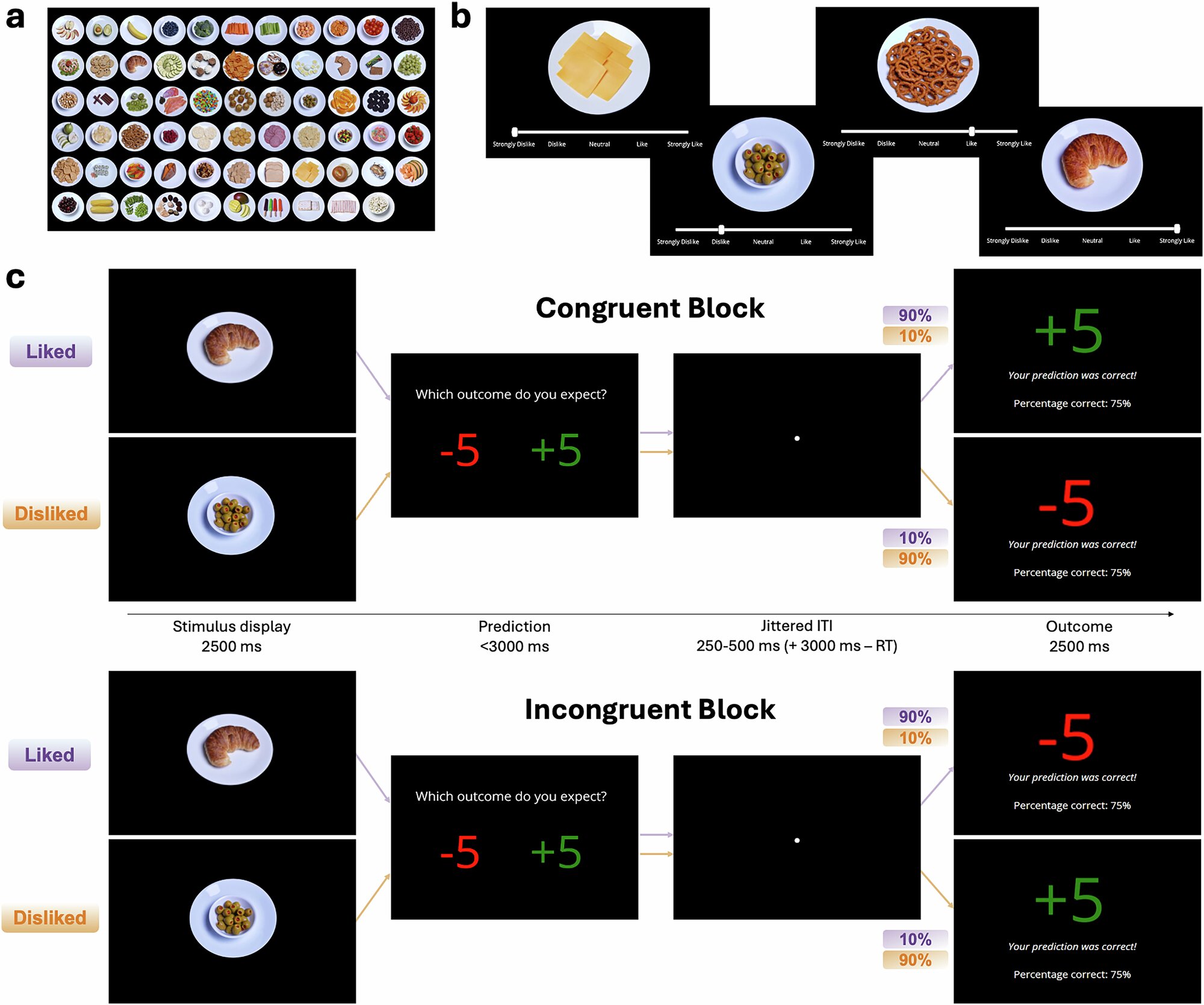
In an experiment designed to challenge their opinions about food, participants struggled to unlearn their food preferences. However, participants who had their sentiments challenged early in the experiment had an easier time changing their minds compared to those whose preferences were first reinforced and only then challenged.
This suggests that "our preexisting preferences for food are very strong and hard to change," says Ifat Levy, Ph.D., Elizabeth Mears and House Jameson Professor of Comparative Medicine at Yale School of Medicine. "But there might be slight manipulations that could make a big difference."
Emotion plays a big role in how we learn. For instance, disgust helps people learn what to avoid, while joy pushes us toward chasing similar experiences. Feelings about food often form early in childhood and can be difficult to change.
, a former graduate student in the Levy Lab, now at the Massachusetts Institute of Technology.
Source link