This article has been reviewed according to Science X's editorial process and policies. Editors have highlighted the following attributes while ensuring the content's credibility:
Researchers at UC Santa Barbara have developed a method for predicting the likelihood of low birth weights in West Africa, based on climate and socioeconomic data. Their model, when incorporated into an early warning system for child health in the region, could give decision-makers and aid organizations the time necessary to prevent malnutrition and its downstream effects.
"Policymakers, humanitarian agencies, other international organizations, may be able to look at the climate data now and then anticipate that there will be large-scale low-birth-weight issues," said Shraddhanand Shukla, a researcher in the Department of Geography at UCSB, who specializes in drought monitoring and climate forecasting. "And perhaps something can be done about it."
Shukla's paper, co-authored with fellow UCSB geography research scientist Frank Davenport, appears in the Proceedings of the National Academy of Sciences.
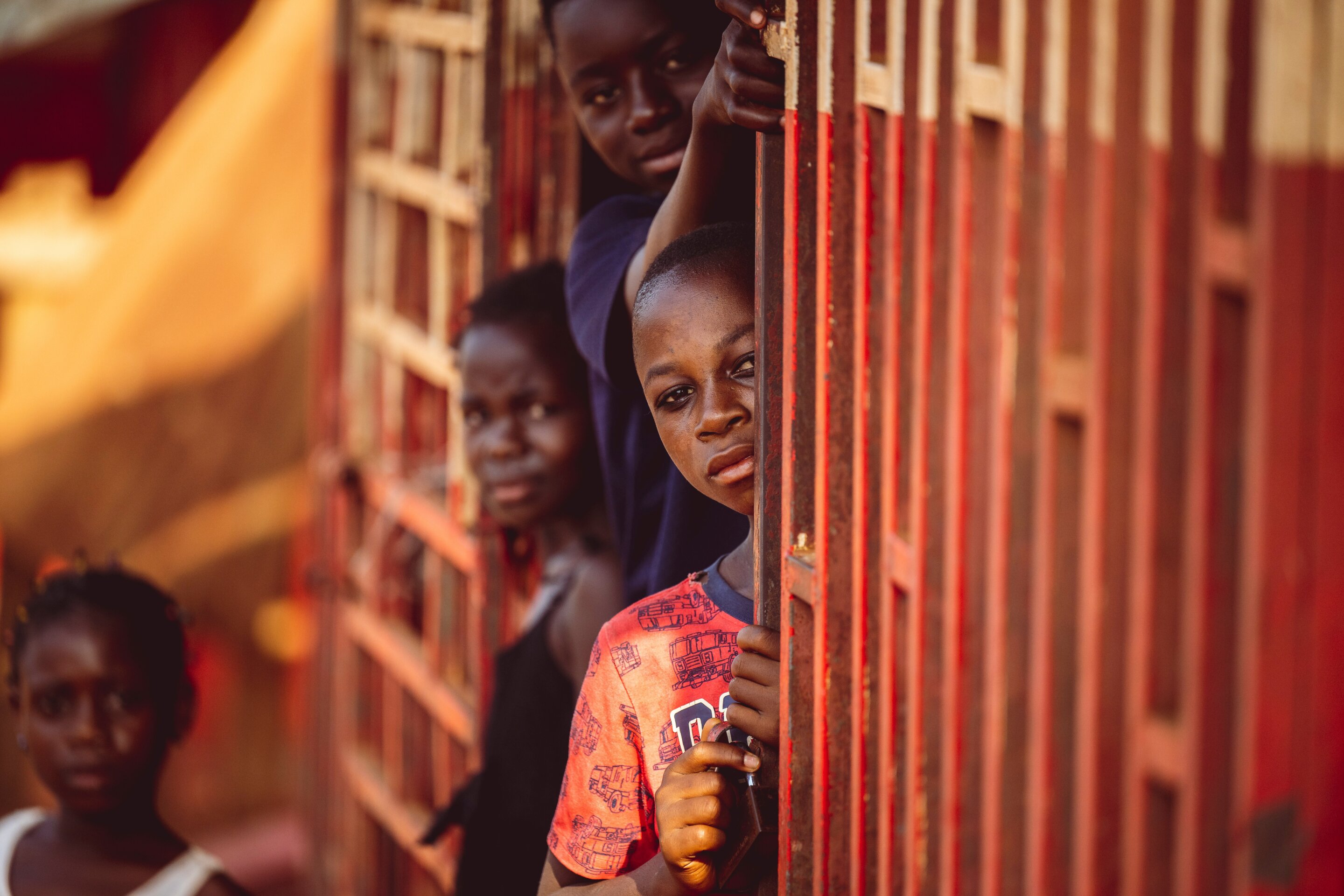
Malnutrition at any age is bad, but food insecurity is a particularly dire situation for the youngest in West Africa, a region that faces recurring hunger crises due to climate change, an unstable economy and conflict.
Children born with low birth weights—often the result of maternal malnutrition and other stressors during pregnancy—are likely to experience negative short- and long-term health effects as a result of inadequate nutrition.
"Being born with lower birth weight in a food-stressed country can set off a domino effect that can be very difficult to recover from," said Davenport.
Source link