This article has been reviewed according to Science X's editorial process and policies. Editors have highlighted the following attributes while ensuring the content's credibility:
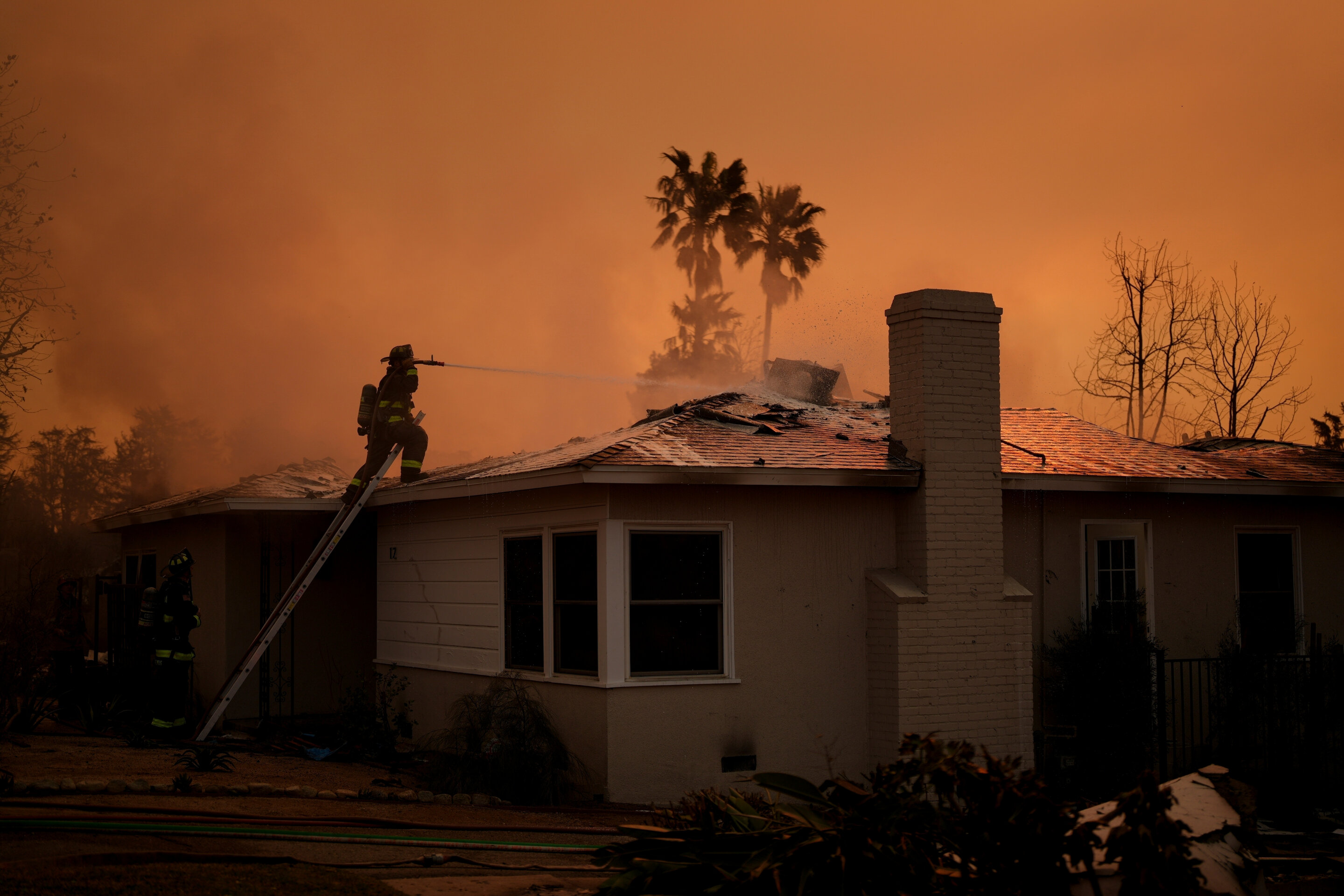
At the height of the Los Angeles fires in 2025, millions of residents were exposed in a 24-hour period to toxic lead levels from smoke that were 80 times higher than the typical background level, according to a new study.
Researchers from the California Institute of Technology compared the chemical composition of smoke from the Eaton Fire with that of a wildfire and found that the urban plume had more lead, arsenic and halogens (which include chlorine and bromine) linked to burning vehicles, building materials and electronics.
"The main, key finding is really that wildfire smoke is very different fundamentally from the urban smoke," said Nga Lee "Sally" Ng, an author of the study published Wednesday in the journal Science Advances. With the new technology they used to measure what was in the smoke, they were able to "actually see the very detailed component of these particles that we are breathing."
Co-author Haroula Baliaka said understanding the different chemical compositions of smoke from an urban versus a wildland fire helps bridge a gap in research. Wildfires are growing larger, more intense, faster-moving and more frequent largely because of drier and warmer weather associated with human-caused climate change. As urban growth and climate change push more fires into cities, researchers said monitoring and emergency response will have to adapt.
Ed Avol, professor emeritus in the Keck School of Medicine at the University of Southern California who has researched the health effects of air pollution for decades, said significant exposure to heavy metals is consistent with what he'd expect, "but certainly surprising because we haven't been able to document this sort of thing."
Source link