This article has been reviewed according to Science X's editorial process and policies. Editors have highlighted the following attributes while ensuring the content's credibility:
A new Simon Fraser University study suggests that brains in healthy older adults may cope better with a lack of sleep than those in younger adults.
The findings indicate that when faced with a loss of sleep, older brains are able to adapt and respond in a different way compared to younger brains.
But far from being a license for older adults to burn the midnight oil, researchers emphasize that good-quality sleep is important for human health throughout the course of a lifetime.
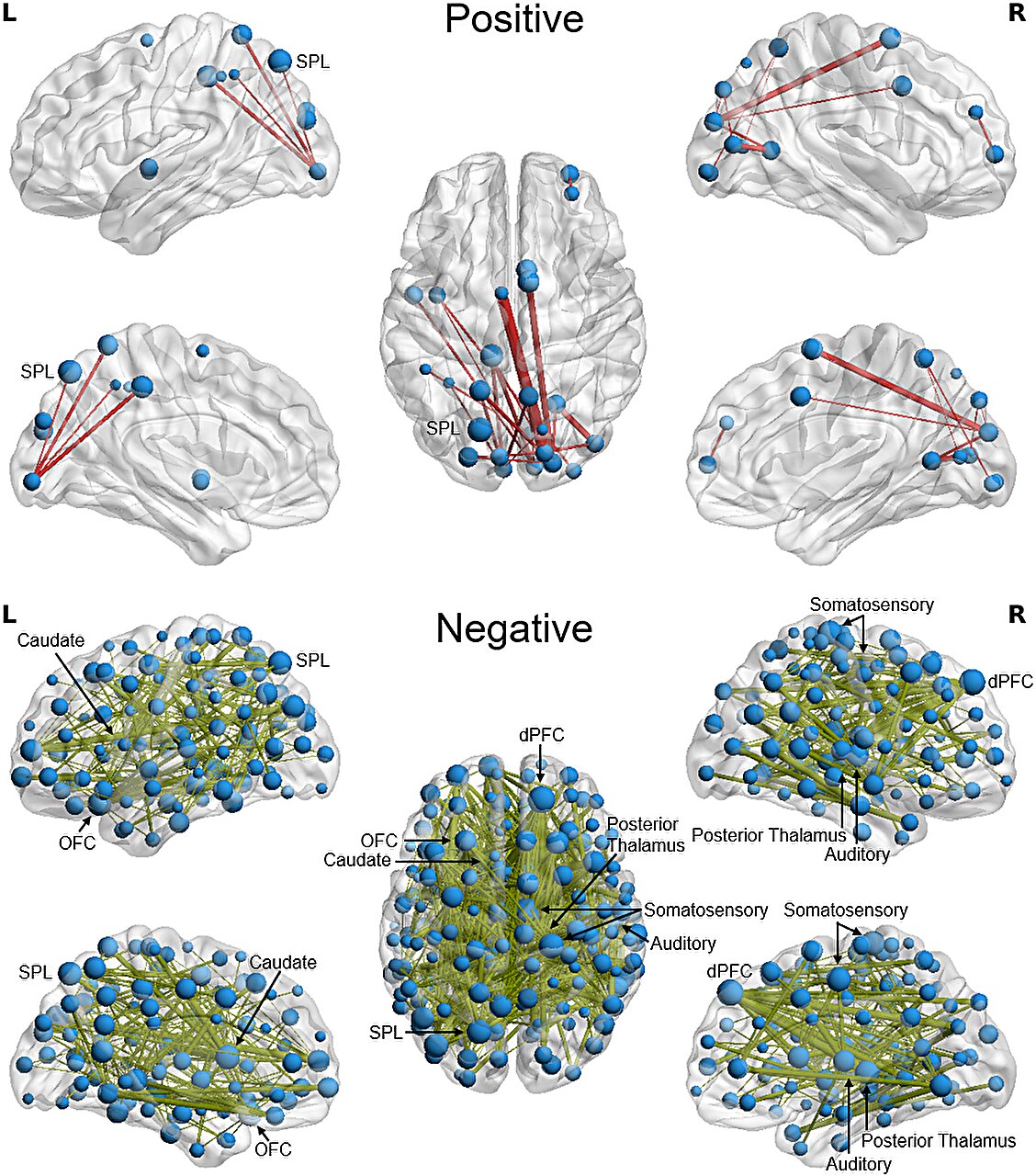
The study, published in Imaging Neuroscience, looked at how only three hours of sleep affected brain networks in younger adults (20–30 years), compared with older adults (65–75 years).
Lead researcher Josh Neudorf, an affiliate member of SFU's Institute for Neuroscience and Neurotechnology, says, "What we found was quite striking in that older and younger brains actually responded in opposite ways to acute sleep loss.
"Certain connections in the brains of younger adults showed increased connectivity as a response to less sleep, while those same connections in the brains of older adults showed decreased connectivity.
"That decrease in connectivity promotes more efficient modular connectivity for the brain as a whole. In other words, the brain is acting in a more efficient way to maintain cognitive function.
Source link