This article has been reviewed according to Science X's editorial process and policies. Editors have highlighted the following attributes while ensuring the content's credibility:
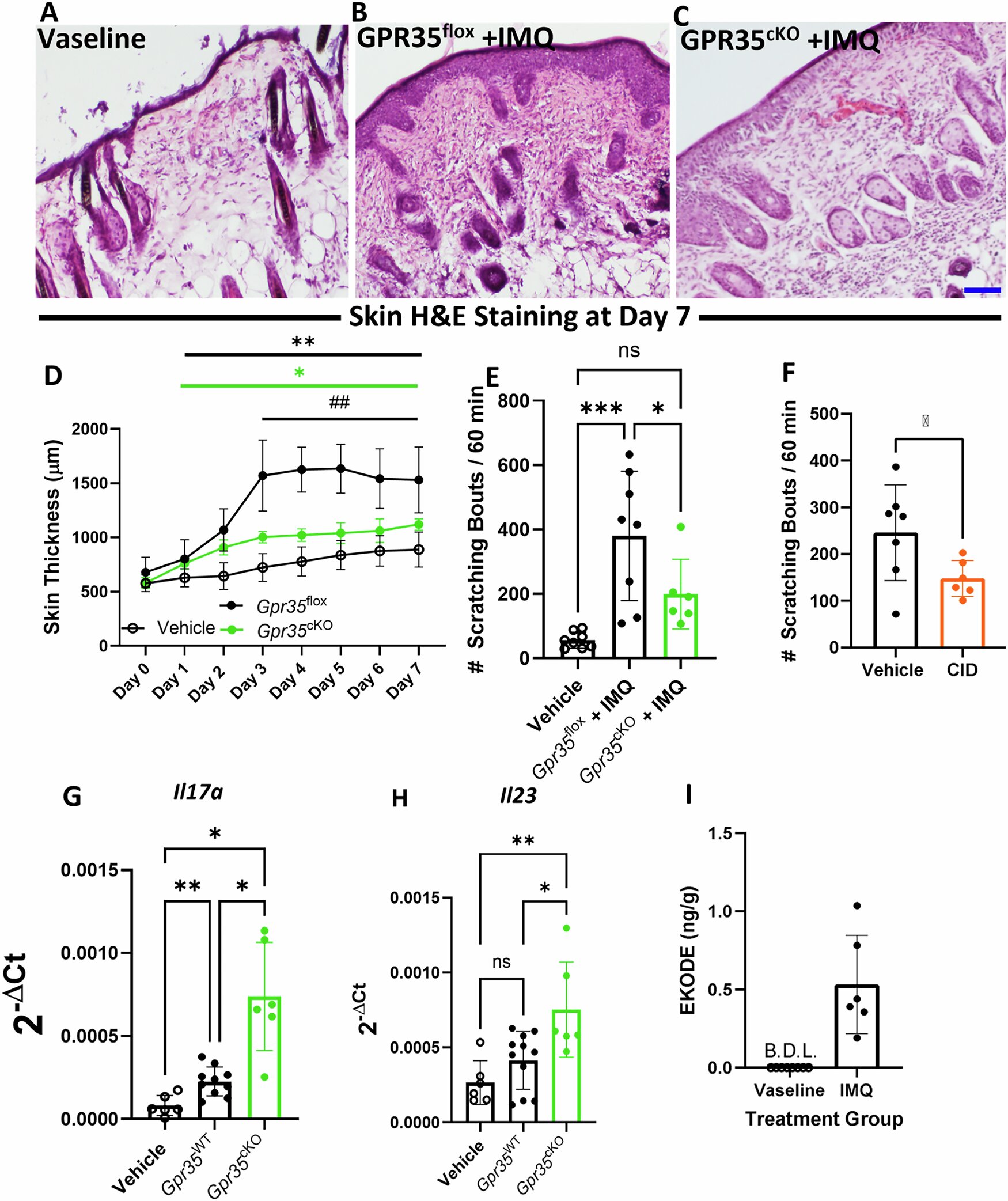
A team of researchers has found that a breakdown product from a commonly consumed fat can bind to a receptor associated with psoriatic itch and inflammation. By blocking the receptor, the researchers saw a reduction in psoriatic itch in a mouse model. Published in the journal Communications Biology, the work demonstrates the potential impact of diet on chronic itch triggers and could lead to future therapies for both psoriasis and atopic dermatitis.
Linoleic acid is a naturally occurring fatty acid that is found in foods ranging from nuts and seeds to vegetable oils. While humans need to consume linoleic acid in small amounts, overconsumption has been associated with chronic heart disease and diabetes, among other conditions.
"We also know that certain polyunsaturated fat–derived molecules are associated with itch, and that linoleic acid is the most abundant polyunsaturated fat found in both skin and Western diets," says Santosh Mishra, professor of molecular and biomedical sciences in North Carolina State University's College of Veterinary Medicine. "We wanted to explore connections between linoleic acid and itch." Mishra is the corresponding author of the study describing the work.
Specifically, the researchers focused on a derivative of linoleic acid known as 9-keto-12,13-epoxy octadecenoic acid (EKODE), which has been found in high concentrations in psoriatic lesions and shown to induce itching behavior in mice.
In humans and rodents, primary sensory neurons within the dorsal root ganglia (DRG) express specific ion channels, including TRPV1 and TRPA1, which mediate pain, thermal sensation and itch.
Source link