This article has been reviewed according to Science X's editorial process and policies. Editors have highlighted the following attributes while ensuring the content's credibility:
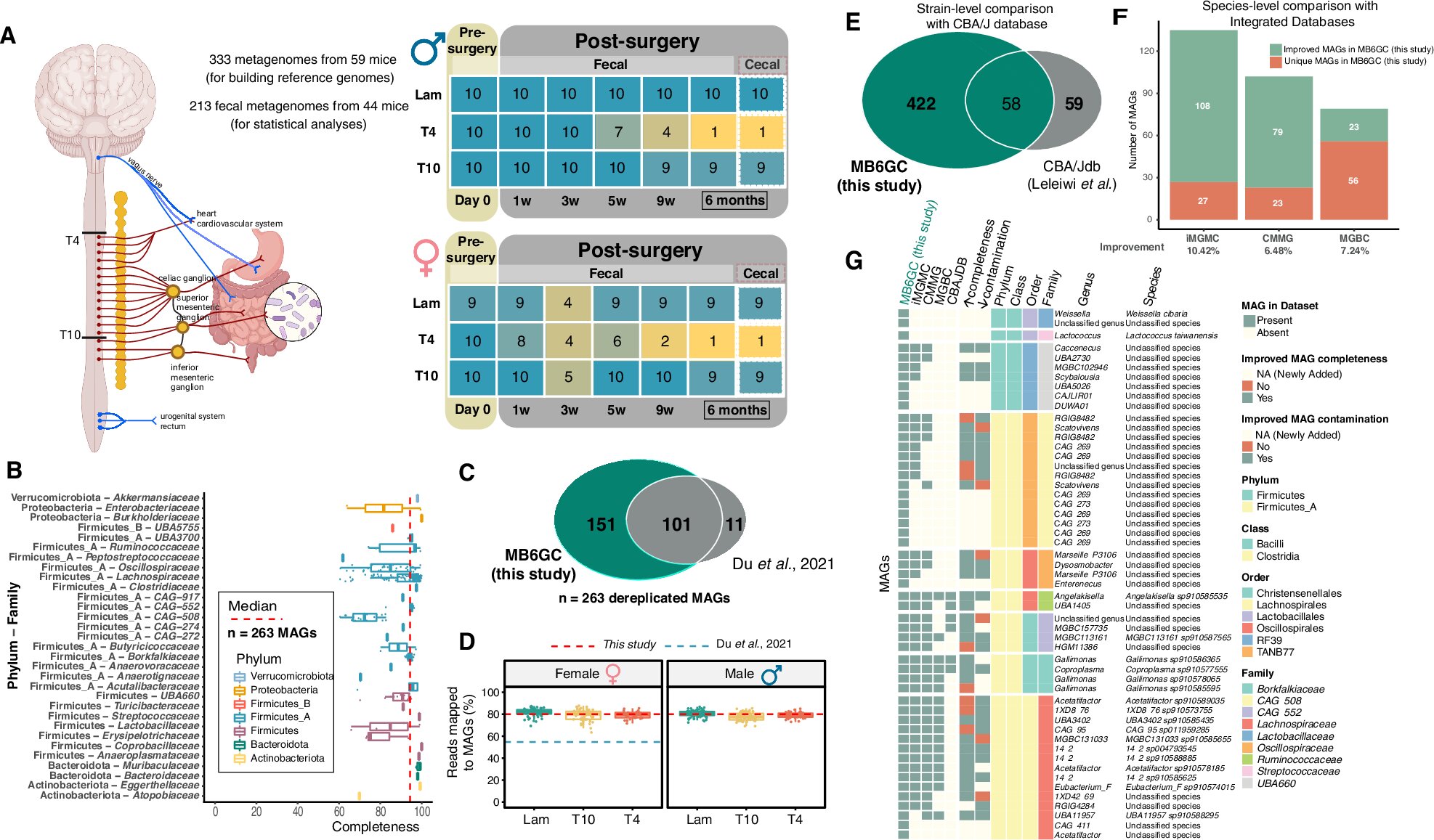
Scientists exploring the links between a spinal cord injury, inflammation and immune function have turned their attention to a genome-level analysis of the gut microbial community, with early study results offering hints at potential new approaches to aid healing.
In mice, refeeding a strain of bacteria that was depleted after spinal cord injury (SCI) lowered inflammation and stabilized weight loss. A second study identified 19 microbial species in the mouse gut with the strongest links to the body's loss of nitrogen after SCI, which is associated with muscle wasting in humans.
Beyond these preliminary findings, the extensive genome-based mapping of microbial communities positions the research team from The Ohio State University to broaden understanding of the gut's role in injury complications—as well as possible protective activities—when the central nervous system is disrupted.
"We tend to think of spinal cord injury as a problem that begins and ends in the spinal cord, but our work suggests that we need to think much more broadly," said co-senior author Phillip Popovich, professor and chair of neuroscience in Ohio State's College of Medicine.
"The spinal cord is a major communication pathway between the brain and the rest of the body, including the gut, where trillions of microbes interact with the body's largest collection of immune cells.
Source link