This article has been reviewed according to Science X's editorial process and policies. Editors have highlighted the following attributes while ensuring the content's credibility:
When the body's temperature falls, it adapts by burning more energy to generate heat and triggering appetite to replace the fuel used to stay warm. While scientists have known about those responses for decades, precisely how the brain coordinates them has remained unclear. New research led by USF Health's Dr. Yong Xu uncovered clues in a little-studied region of the brain.
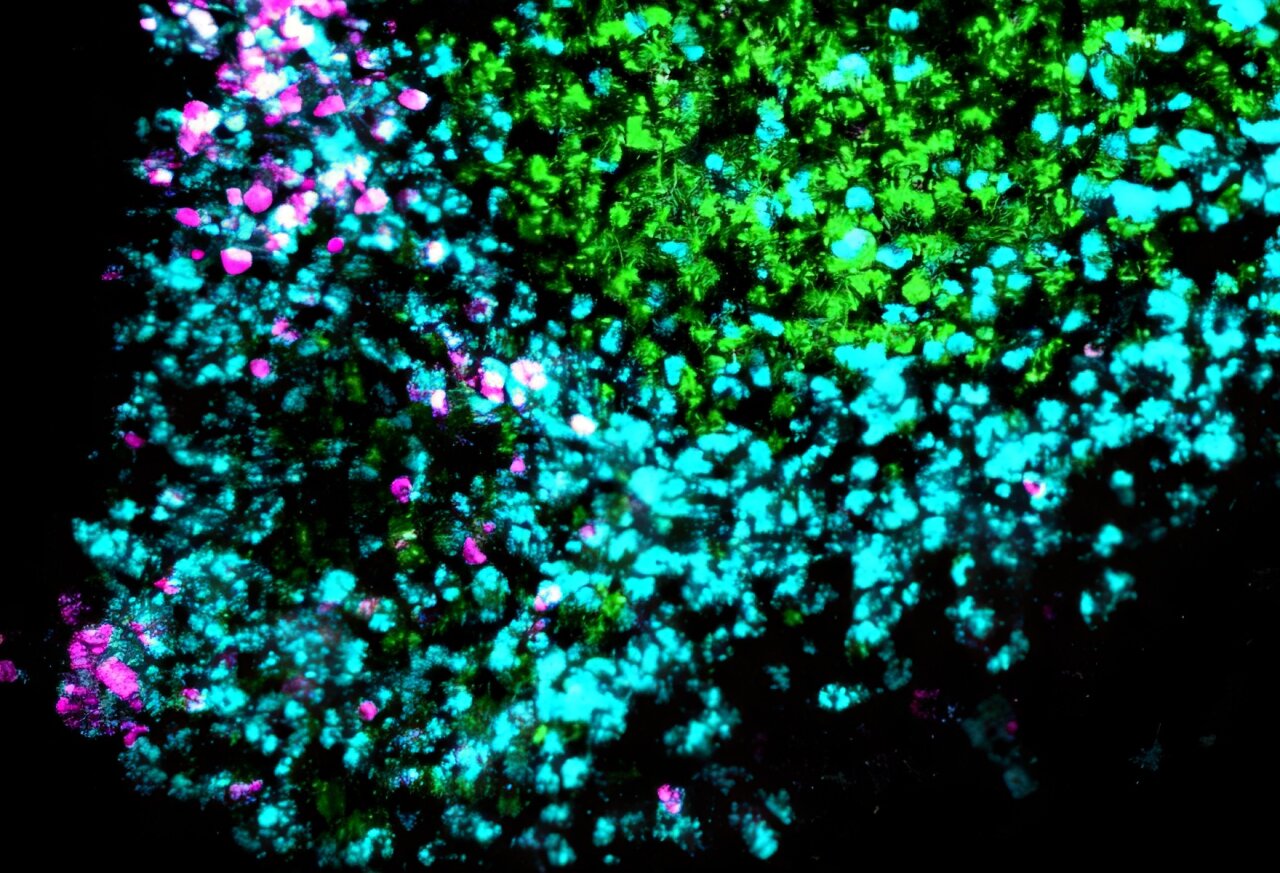
In a study published today in Neuron, researchers working in nonhuman models identified a previously unknown brain circuit that turns a drop in temperature into a coordinated response regulating eating, heat production and energy use.
The discovery reveals the first known function of the dorsal posterior periventricular hypothalamic nucleus, or dPVp, an underexamined region in the back part of the hypothalamus.
"We identified a very understudied brain region and then found the first function for that brain region," said Xu, a professor in the Department of Psychiatry and Behavioral Neurosciences at the USF Health Morsani College of Medicine and director of the Center for Molecular Psychiatry. "The basic function of the dPVp is to sense temperature fluctuations and then coordinate a comprehensive set of behaviors or metabolic changes to deal with cold exposure."
The study shows that the dPVp functions as a cold-response control center in the brain. It becomes highly active when body temperatures drop, activating neurons that intensify the desire to eat and increase the body's heat production.
Source link