This article has been reviewed according to Science X's editorial process and policies. Editors have highlighted the following attributes while ensuring the content's credibility:
The World Health Organization (WHO) reports that more than 1 billion people are currently living with mental health disorders. Anxiety and depression are the most common conditions. Being able to make a rapid diagnosis and find the right treatment for people struggling with mental health issues is therefore crucial.
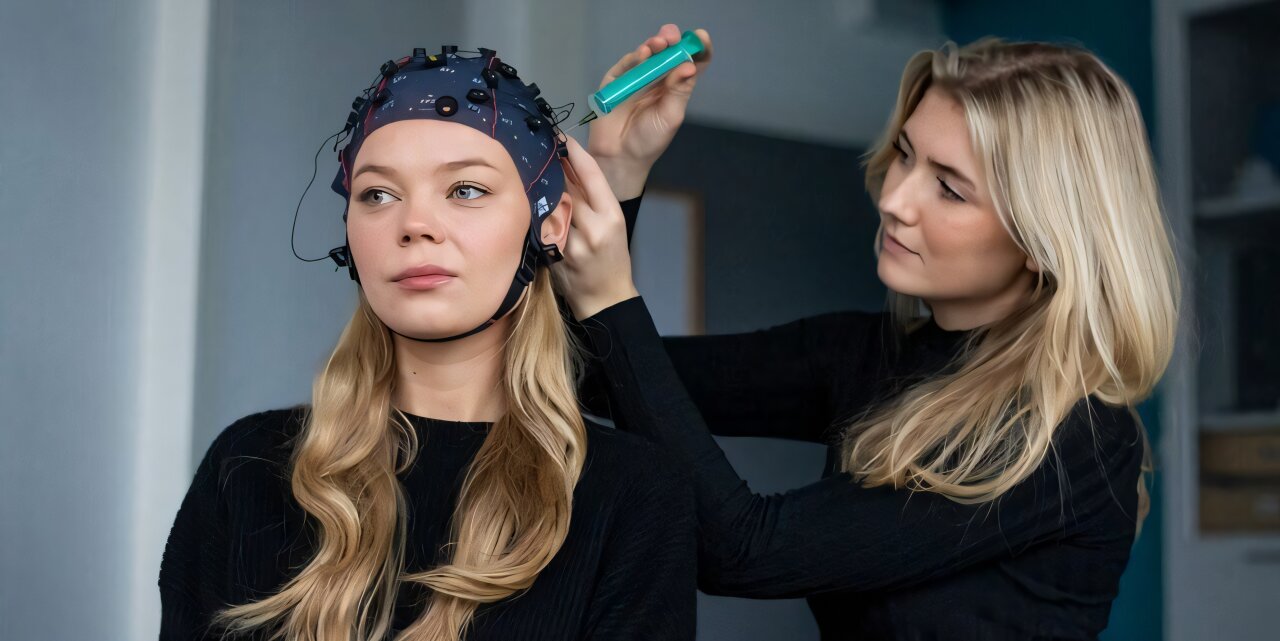
Sandra Klonteig, a research scientist at SINTEF, believes technology can help achieve this goal and has therefore focused her work on methods in neurotechnology, which make it possible to measure and better understand the brain. Neurotechnology can be used to influence or regulate brain activity, as well as for various forms of assessment and treatment—in cases of injury or brain disease, for instance.
"The brain is amazing, but not without flaws. It can be impacted by injuries and diseases that have serious consequences. Some people become paralyzed, others develop dementia, and many experience mental health disorders like depression. Collectively, these conditions represent one of the leading causes of health problems in Norway," says Klonteig.
"In the long run, this technology might enable doctors to detect changes in a person's brain and mental health before the individual notices them. This could contribute to better prevention, an earlier diagnosis and more targeted treatment of mental disorders."
D. at OsloMet. Today, she works at SINTEF Digital, where she conducts research on the human brain using sensors and neurotechnology.
Source link