This article has been reviewed according to Science X's editorial process and policies. Editors have highlighted the following attributes while ensuring the content's credibility:
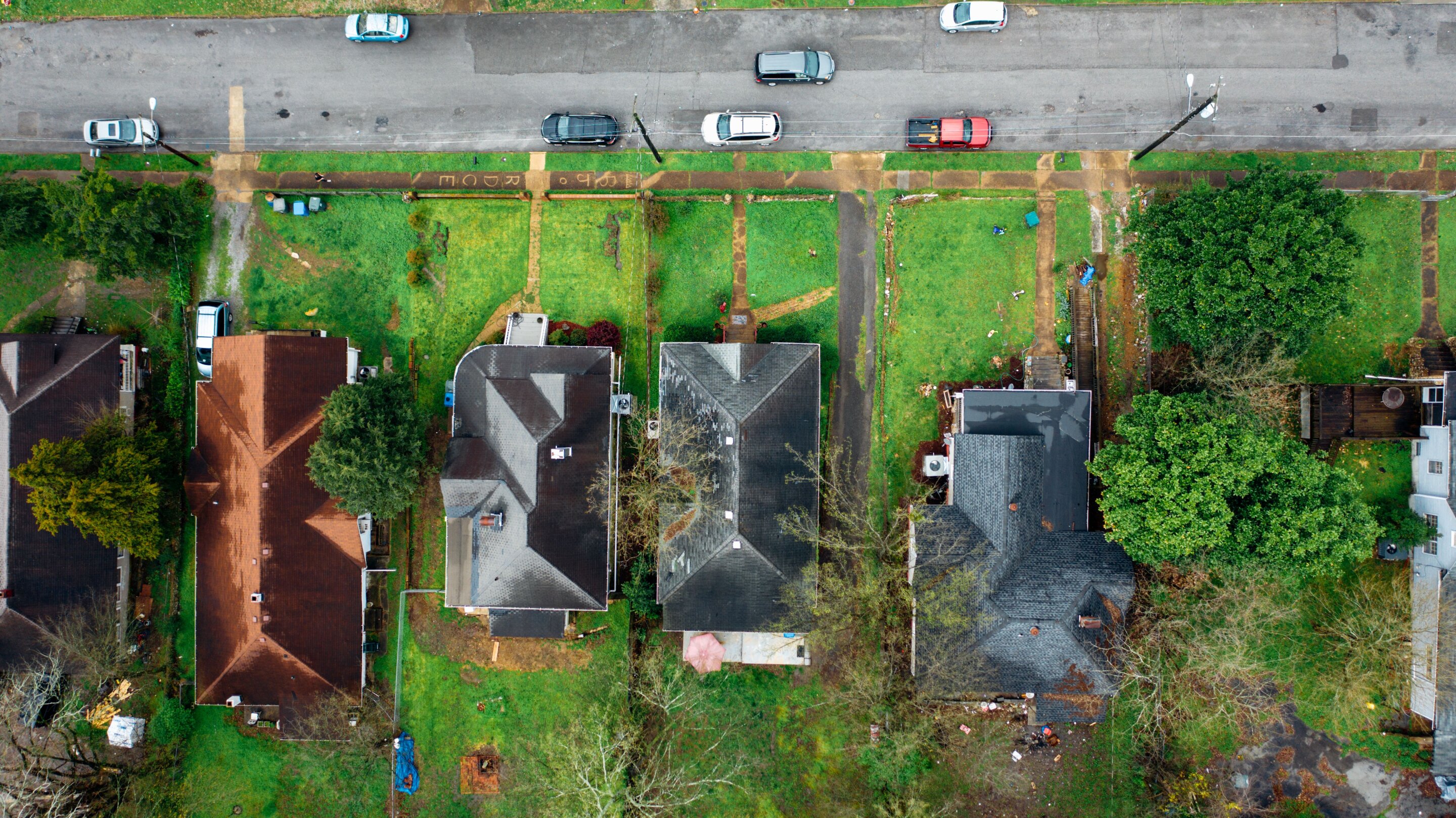
Survivors of childhood cancer can make lifestyle changes to reduce later-in-life chronic health conditions, such as diabetes and heart disease. Still, some survivors report local environmental barriers to taking these actions. According to a new study from St. Jude Children's Research Hospital scientists, survivors from the most vulnerable neighborhoods—those with features including low income per capita, poor walkability, a lack of access to nearby health care or fewer healthy food options—have a significantly elevated risk. The findings, published recently in eClinicalMedicine, identify a need to consider these community-level factors to better support survivors.
Scientists already knew that individual socioeconomic factors were linked to survivors' long-term health, but the role of the surrounding social and physical environment was less clear. To investigate, the researchers compared neighborhood indicators of vulnerability, such as socioeconomic status, minority status and access to health care and food, with repeated clinical assessments of survivors enrolled in the St. Jude Lifetime Cohort Study (St. Jude LIFE) since 2007 to track changes in chronic health conditions over time.
, St. Jude Department of Epidemiology & Cancer Control.
Source link