This article has been reviewed according to Science X's editorial process and policies. Editors have highlighted the following attributes while ensuring the content's credibility:
Loneliness, functional limitations and lack of social support were independently associated with depression in a large U.S.-based study of cancer survivors by Philip Baiden from The University of Texas Arlington, U.S., and colleagues, published Oct. 21, 2026, in the PLOS One.
The rate of depression among cancer survivors is consistently higher than in the general population, ranging from 20% to 30%. Among survivors, depression can contribute to poorer quality of life, reduced adherence and higher mortality. While factors such as functional limitations, loneliness and inadequate social and emotional support have been linked to depression in cancer survivors, studies to date have been small and have typically grouped these factors, making it difficult to tease out their individual contributions to depression.
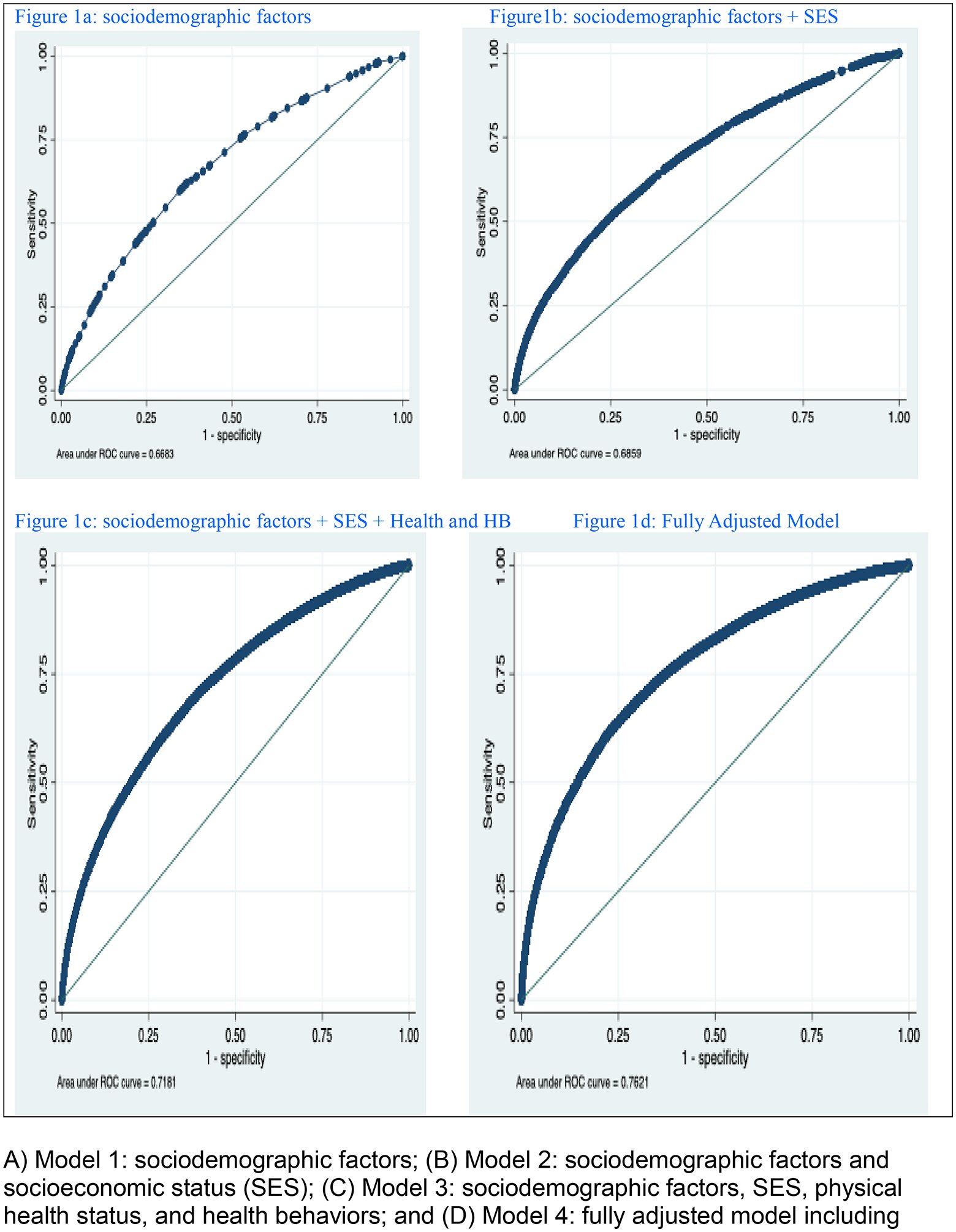
In this study, researchers analyzed data from 70,620 adult cancer survivors who participated in the 2023 and 2024 Behavioral Risk Factor Surveillance System. Among this group, 21.8% reported receiving a diagnosis of depressive disorder at some time in their lives.
After adjusting for demographic, socioeconomic, health and behavioral factors, loneliness emerged as the factor most strongly associated with depression. 72 times higher odds of reporting a lifetime diagnosis of depressive disorder than those who did not report loneliness. 43 times higher, respectively). Physical exercise was associated with a decreased risk of depression.
Source link