This article has been reviewed according to Science X's editorial process and policies. Editors have highlighted the following attributes while ensuring the content's credibility:
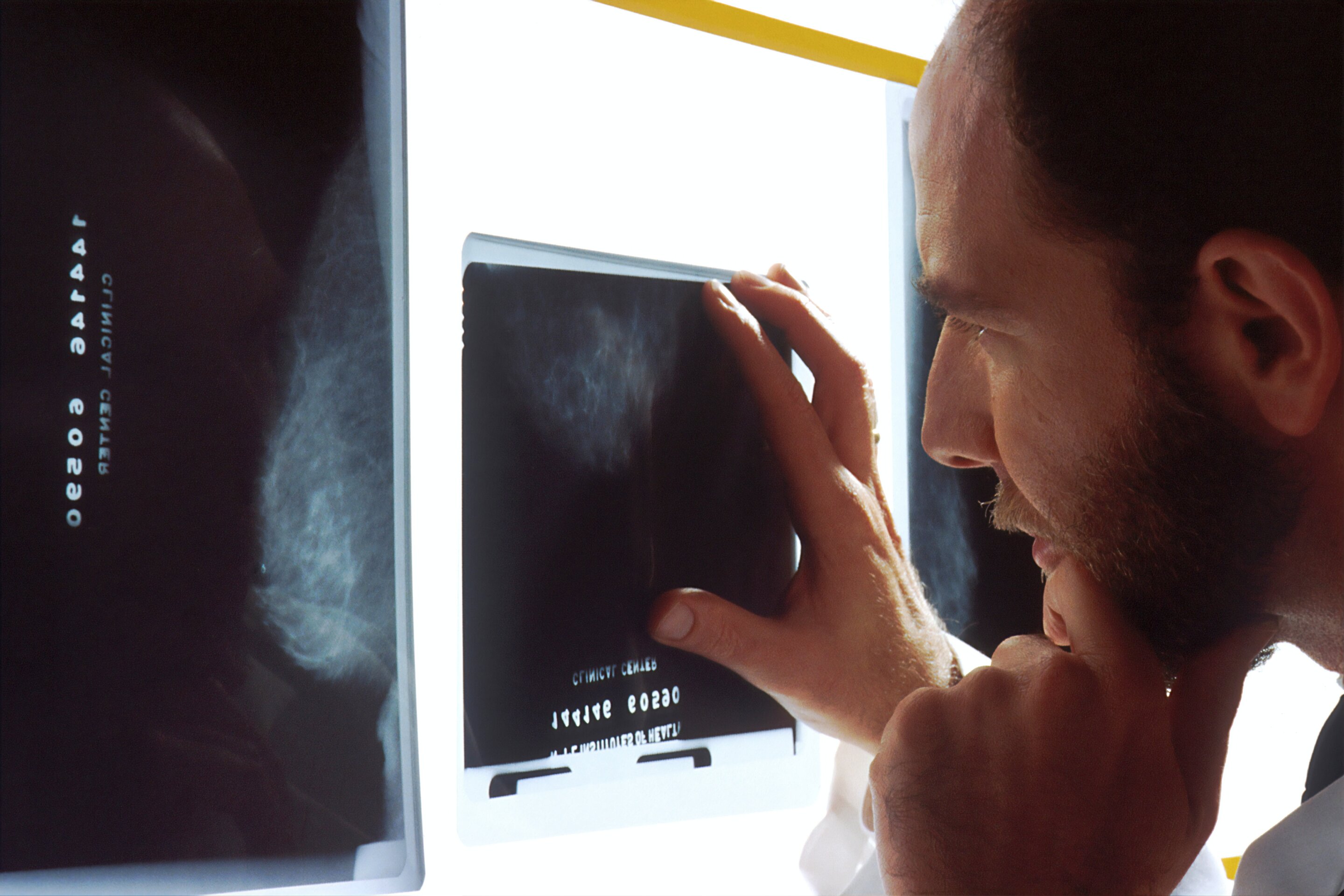
While AI offers the ability to improve human experts' ability to diagnose and treat diseases like breast cancer, well-publicized errors across the broader AI field are cause for concern. A team from the University of Pittsburgh has used PSC's flagship Bridges-2 supercomputer to design a deep neural network (DNN) that takes uncertainty into account in diagnosing breast scan images.
The team reported their results at the annual meeting of the Society of Photo-Optical Instrumentation Engineers (SPIE) in February 2026 in Vancouver, Canada.
By providing a gauge of how accurate the prediction is likely to be, their AI assesses confidence that the answer is right for an individual patient, not just on average in a population.
It's a time of uncertainty for the future of AI. On the one hand, AI now powers so many of the good things we take for granted, including online shopping, transportation and road navigation, and fraud prevention. On the other, we have AI-written books on AI spouting made-up quotes and facts, self-driving cars not recognizing pedestrians, and AI "helpers" spinning off into racist behavior.
AI clearly has the ability to make our lives better. But most of us agree that we need to be more cautious about its reliability—giving us right answers doesn't help if it also gives us wrong answers with equal confidence.
"I'm trying to develop effective AI models or methodology that can make AI model development easier, make breast cancer diagnosis more accurate, and make this model, make medical imaging AI models in general, more trustworthy and thus more clinically useful," said Shandong Wu, University of Pittsburgh.
Source link