This article has been reviewed according to Science X's editorial process and policies. Editors have highlighted the following attributes while ensuring the content's credibility:
A European study involving GCAT identifies associations between air pollution, temperature variability and blood glucose levels in people without diabetes.
Diabetes is one of the most common metabolic diseases, and understanding the factors that may contribute to its development is important for improving prevention. Beyond diet and physical activity, there is growing evidence of the role of environmental exposures, although little is known about how these factors may act together and be associated with changes in blood glucose levels.
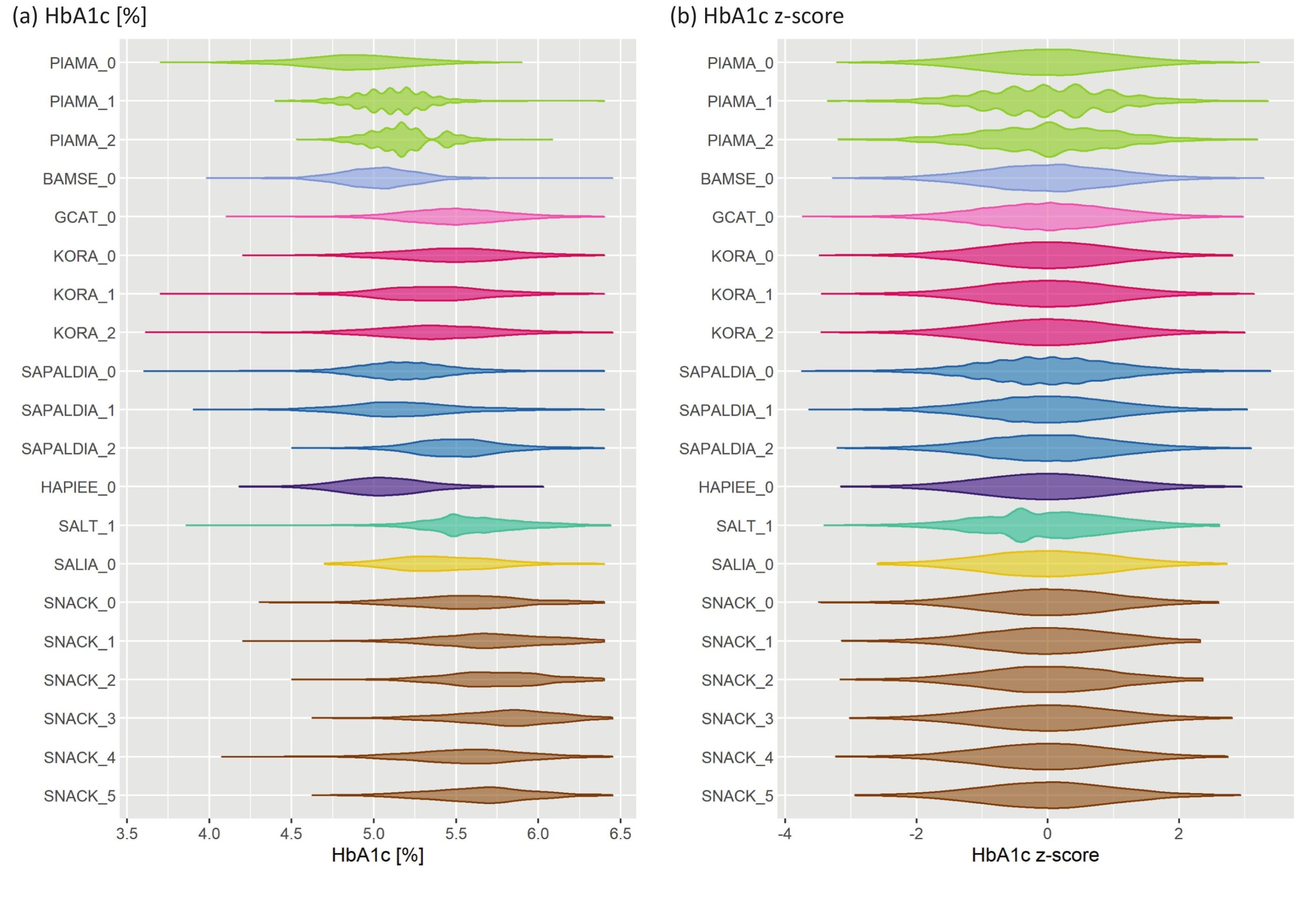
To explore this question further, a new study published in Environment International has examined the relationship between air pollution, temperature, green spaces and glycated hemoglobin (HbA1c) levels—an indicator of average blood glucose levels over the previous two to three months. The analysis focused on people without diabetes, aiming to investigate the relationship between these environmental exposures and blood glucose levels before the onset of the disease.
The research was conducted as part of the European project EXPANSE, an initiative investigating how the urban exposome influences cardiometabolic and respiratory diseases, with the participation of the GCAT|Genomes for Life team at the Germans Trias i Pujol Research Institute (IGTP). Led by researchers from the Swiss Tropical and Public Health Institute (Swiss TPH) and the University of Basel, the study analyzed data from 21,259 participants across nine European cohorts, including 5,464 from GCAT.
The findings show that greater exposure to air pollution, particularly PM10 particles, and increases in both temperature and temperature variability are associated with higher HbA1c levels.
Source link