This article has been reviewed according to Science X's editorial process and policies. Editors have highlighted the following attributes while ensuring the content's credibility:
Parkinson's disease (PD) is a neurodegenerative condition associated with worsening tremors, slowed movements, changes in walking and speech, muscle rigidity and postural instability. Many of its symptoms are associated with a progressive loss of dopamine-producing neurons in a brain region called the substantia nigra pars compacta.
Neuroscientists have been trying to better understand the processes via which the disease causes damage to these specific neurons. This could in turn help to develop treatments that do not merely help to manage the condition, but that can also slow its progression.
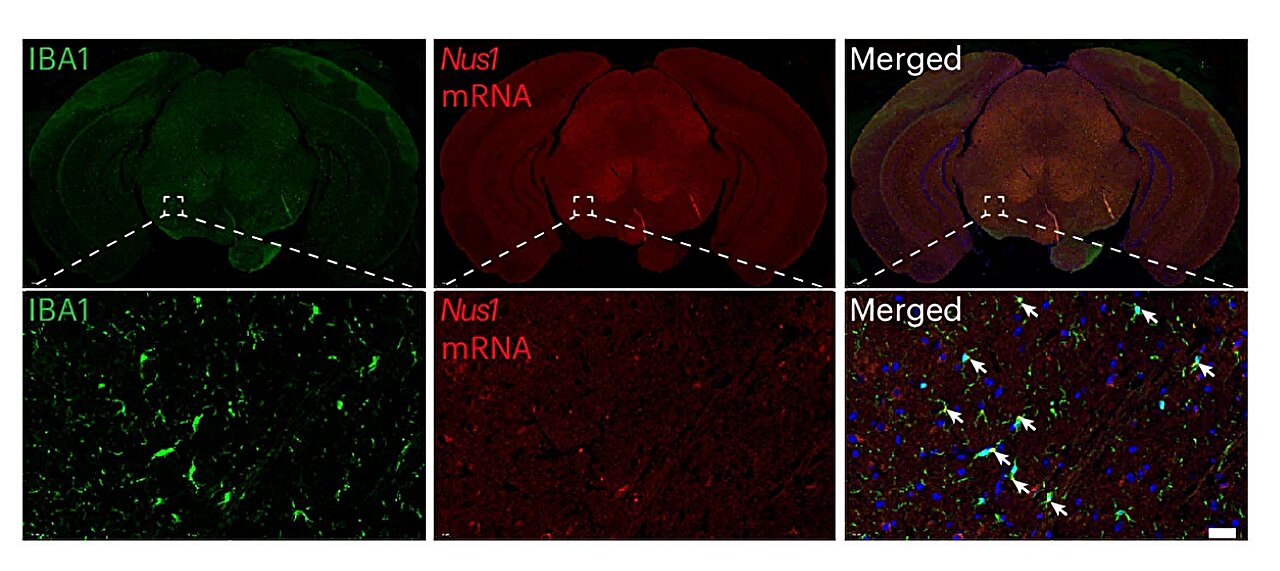
Researchers at Soochow University and other institutions recently investigated the possible involvement of the gene NUS1, certain variants of which are associated with a higher risk of PD, in processes that can lead to PD-related neuronal damage. The results of their study, published in Nature Neuroscience, suggest that a deficiency of the protein encoded by this gene could cause brain immune cells to release too much iron, which was found to damage or kill neurons in mouse models of PD.
The NUS1 gene encodes instructions for making a protein called neurite outgrowth inhibitor-B receptor (NgBR). This protein helps cells to produce molecules that help to process and modify other proteins.
Recent studies found that some variants of NUS1 are linked to a higher risk of PD . , the brain's resident immune cells).
Source link