This article has been reviewed according to Science X's editorial process and policies. Editors have highlighted the following attributes while ensuring the content's credibility:
Women who had a longer reproductive period and had used or are using hormone replacement therapy showed fewer signs of damage to the small blood vessels in the brain later in life. This is shown by a study led by researchers at Karolinska Institutet, published in the journal Neurology.
In this new study, the researchers examined 352 women from Gothenburg. All were 70 years old with no signs of impaired cognitive functioning. The participants' brains were scanned using magnetic resonance imaging (MRI) at the age of 70 and again five years later.
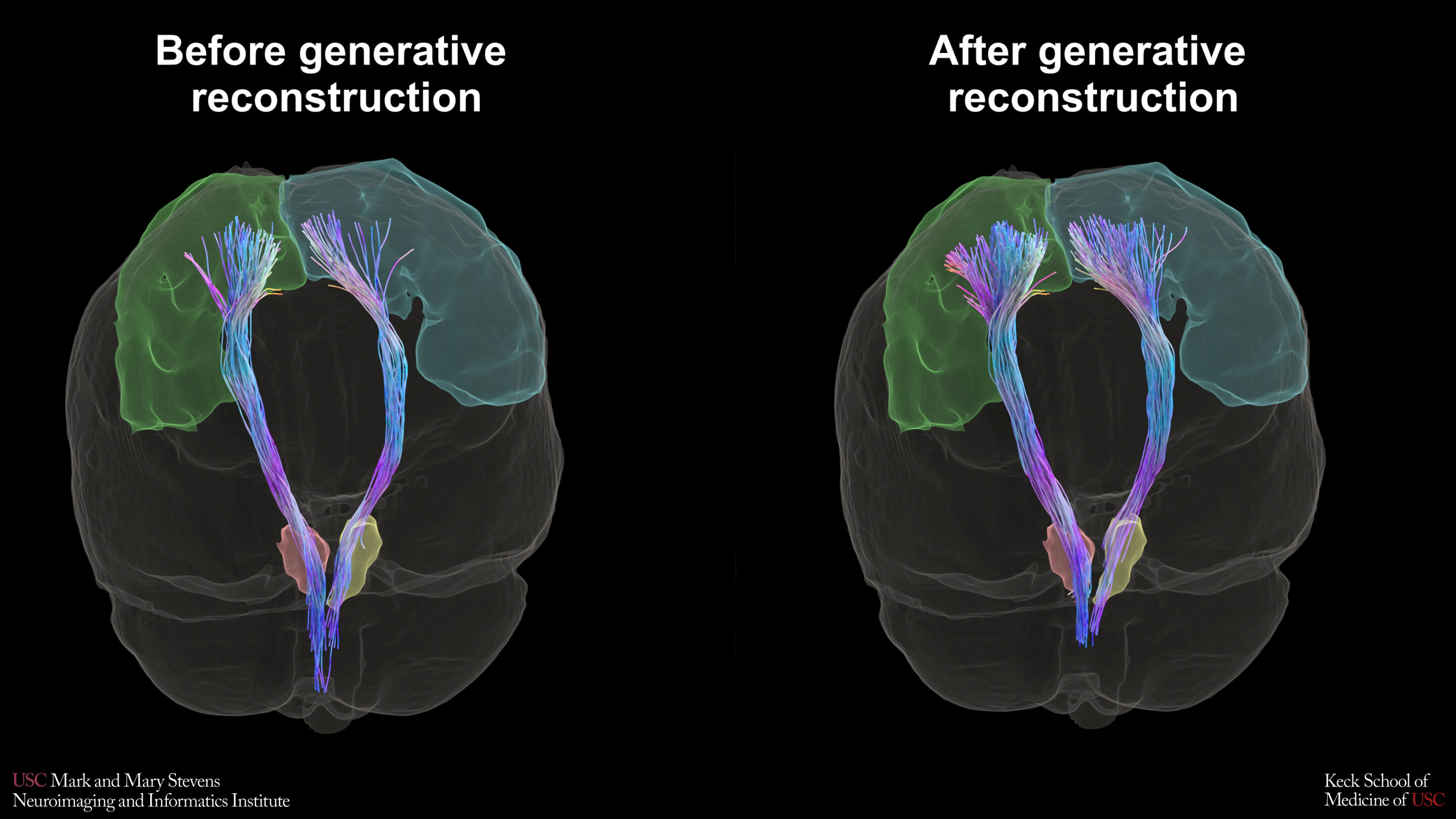
The researchers also had data on the age at first menstruation and the onset of menopause, as well as previous use of the contraceptive pill and hormone replacement therapy during menopause. This was compared with, among other things, signs of small-vessel disease—that is, damage to the brain's tiniest blood vessels—the microstructure of the white matter and the thickness of the cerebral cortex in areas vulnerable to Alzheimer's disease.
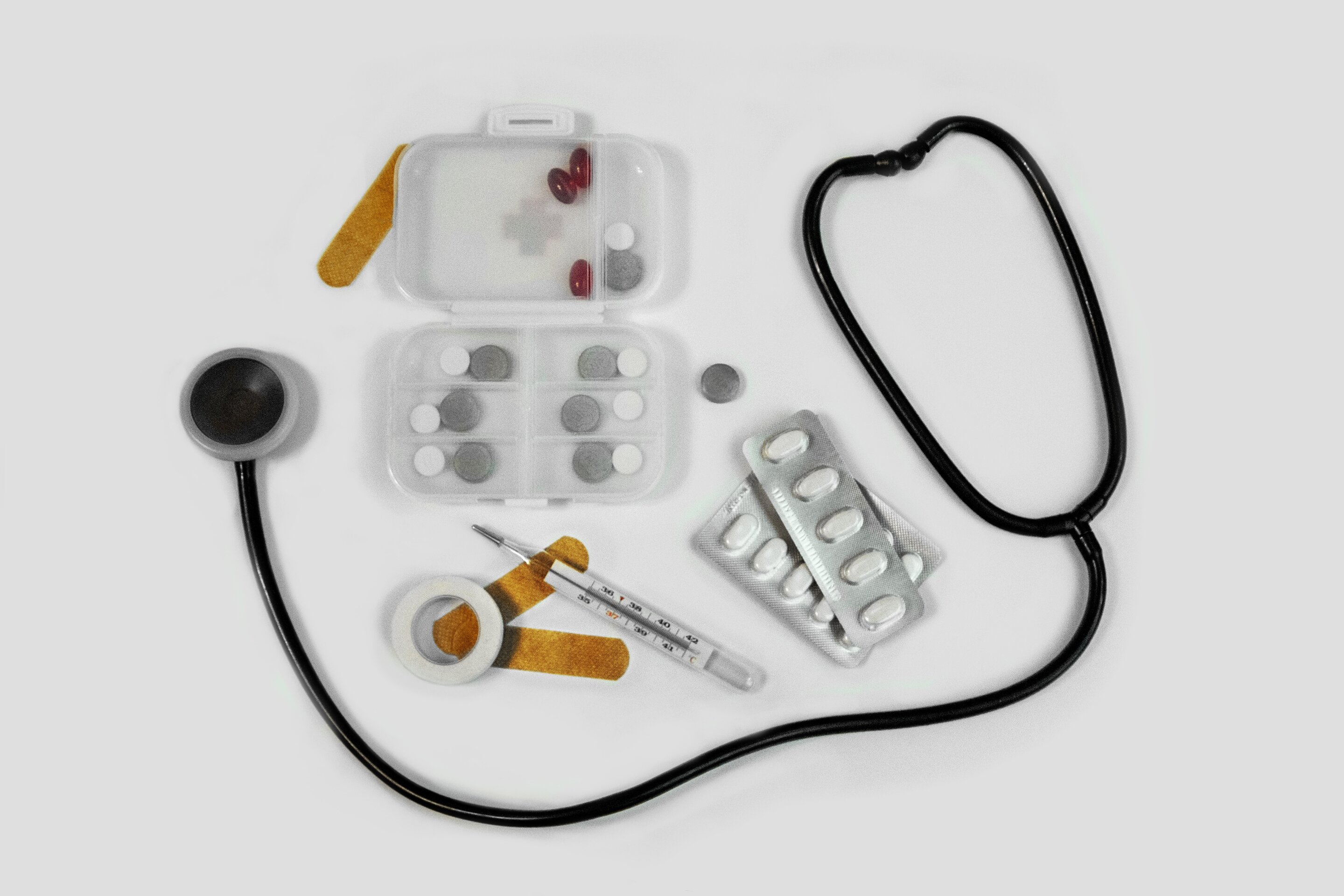
A longer reproductive period—that is, the time between the first menstruation and menopause—was associated with lower small-vessel disease burden in the brain. The use of hormone replacement therapy during menopause was also associated with less small-vessel disease and a more favorable microstructure in the brain's white matter.
Women who had used both the contraceptive pill during their reproductive years and hormone replacement therapy during menopause showed the most favorable profile for their vascular brain health.
Source link