This article has been reviewed according to Science X's editorial process and policies. Editors have highlighted the following attributes while ensuring the content's credibility:
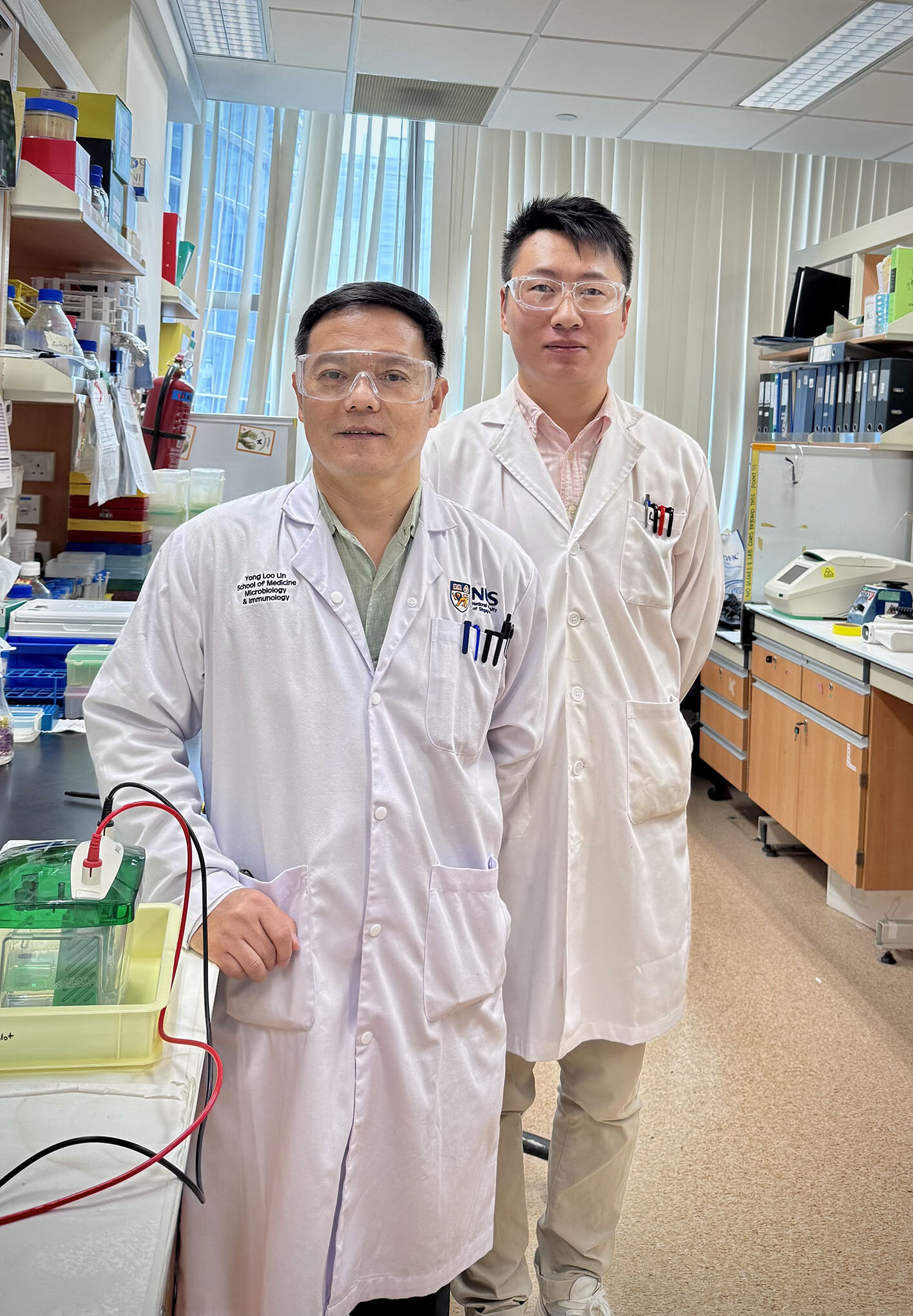
The immune system has powerful cells that can recognize and destroy cancer, but this ability can gradually wane when the cells reside within a tumor. Researchers from the Yong Loo Lin School of Medicine, National University of Singapore (NUS Medicine), and their collaborators have identified a protein that could help keep these cancer-fighting immune cells active and potentially provide a new way to strengthen engineered T-cell therapies against colorectal cancer.
In a study published in Nature Communications, the research team led by Associate Professor Zhang Yongliang of the Department of Microbiology and Immunology and Immunology Translational Research Program (TRP), NUS Medicine, found that a protein called dual-specificity phosphatase 4 (DUSP4) helps CD8⁺ T cells, a type of immune cell that can directly kill cancer cells, maintain their antitumor function. When DUSP4 was absent, these cells became less effective and showed more signs of exhaustion, while laboratory models developed a greater colorectal tumor burden.
The researchers also explored whether DUSP4 could improve CAR-T therapy, in which T cells are genetically engineered to recognize cancer cells.
In laboratory models, increasing DUSP4 activity helped CAR-T cells multiply more readily and kill colorectal cancer cells more effectively. This is important because CD8⁺ T cells can become "exhausted" within tumors, gradually losing their ability to multiply and attack cancer—a major challenge for immunotherapies targeting solid tumors.
To investigate DUSP4's role, the team combined clinical data from colorectal cancer patients with experiments using human cells and preclinical models.
Source link