This article has been reviewed according to Science X's editorial process and policies. Editors have highlighted the following attributes while ensuring the content's credibility:
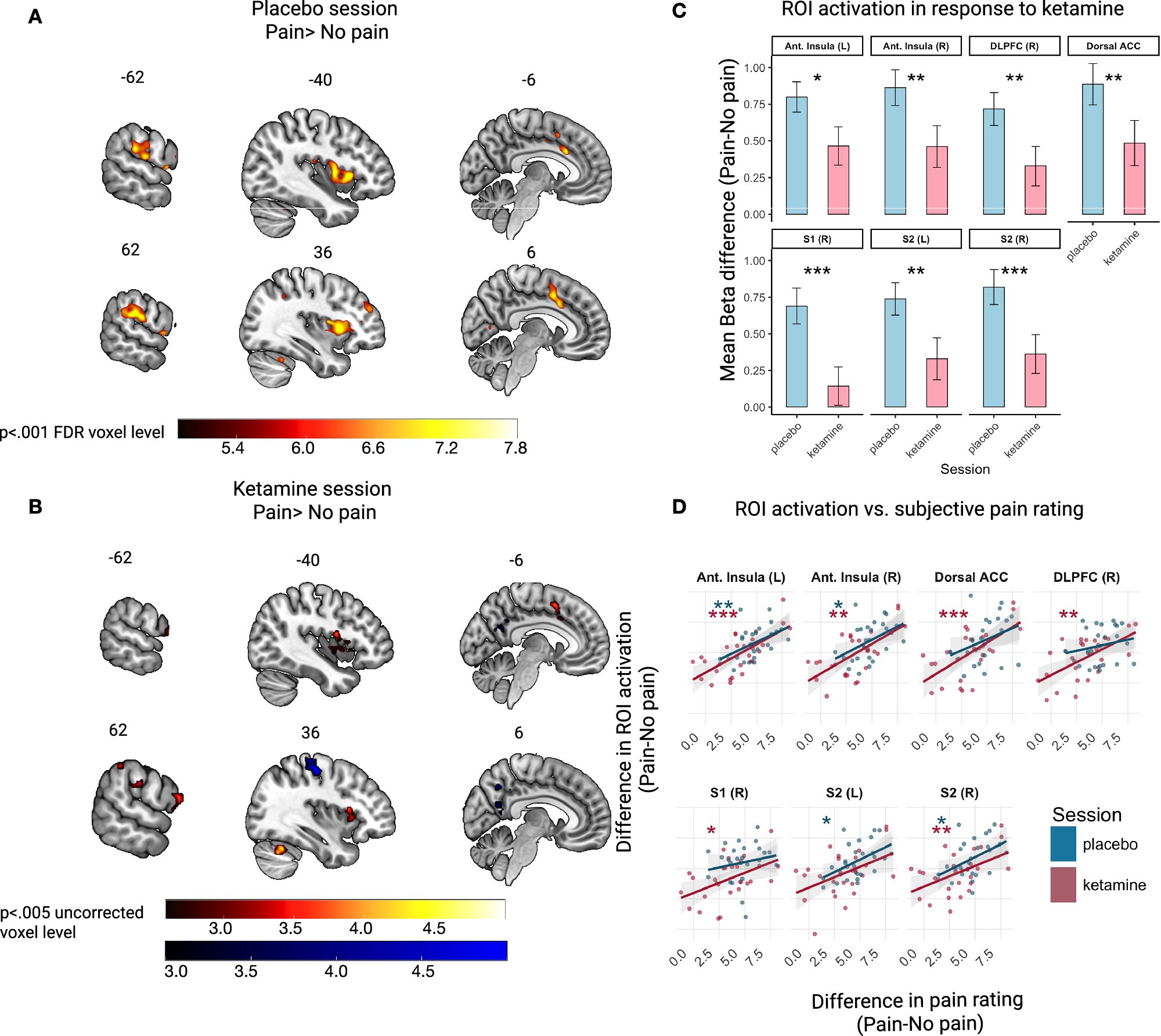
An imaging study in humans led by Tel Aviv University's Institute for Psychedelic Research, in collaboration with TAU-affiliated Tel Aviv Medical Center (Ichilov), found that the pain relief provided by ketamine does not result from the sense of dissociation—a detachment from oneself, body or surroundings, induced by the drug. The findings, indicating that pain relief and the effect on consciousness are based on different brain mechanisms, may help in developing treatments that provide the benefits of ketamine while reducing its psychological side effects.
The study was led by Dr. Noam Goldway, under the supervision of Talma Hendler and Dr. Haggai Sharon of the Institute for Psychedelic Research at TAU's Sagol School of Neuroscience, in collaboration with Tel Aviv Medical Center (Ichilov). The paper is published in the journal Neuropsychopharmacology.
In recent years, mind-altering substances have moved from fringe culture to the forefront of medical research. MDMA is being studied as a treatment for post-traumatic stress disorder (PTSD); psilocybin—the substance found in magic mushrooms—is being studied primarily as a treatment for depression; and ketamine is also attracting interest because of its effectiveness in treating pain and depression, and more recently PTSD as well. Yet alongside this promise, one central question remains: Is the alteration in consciousness produced by these drugs a necessary condition for their therapeutic effect?
To explore this question, the researchers focused on ketamine, a drug known to relieve pain while also inducing dissociation —a temporary sense of detachment from oneself, body or surroundings.
Source link