This article has been reviewed according to Science X's editorial process and policies. Editors have highlighted the following attributes while ensuring the content's credibility:
The needle broke the skin, followed by wailing and the reassuring coo of "sorry, sorry" from the medical staff—and just like that, another baby was vaccinated against malaria, an intractable child killer in Nigeria.
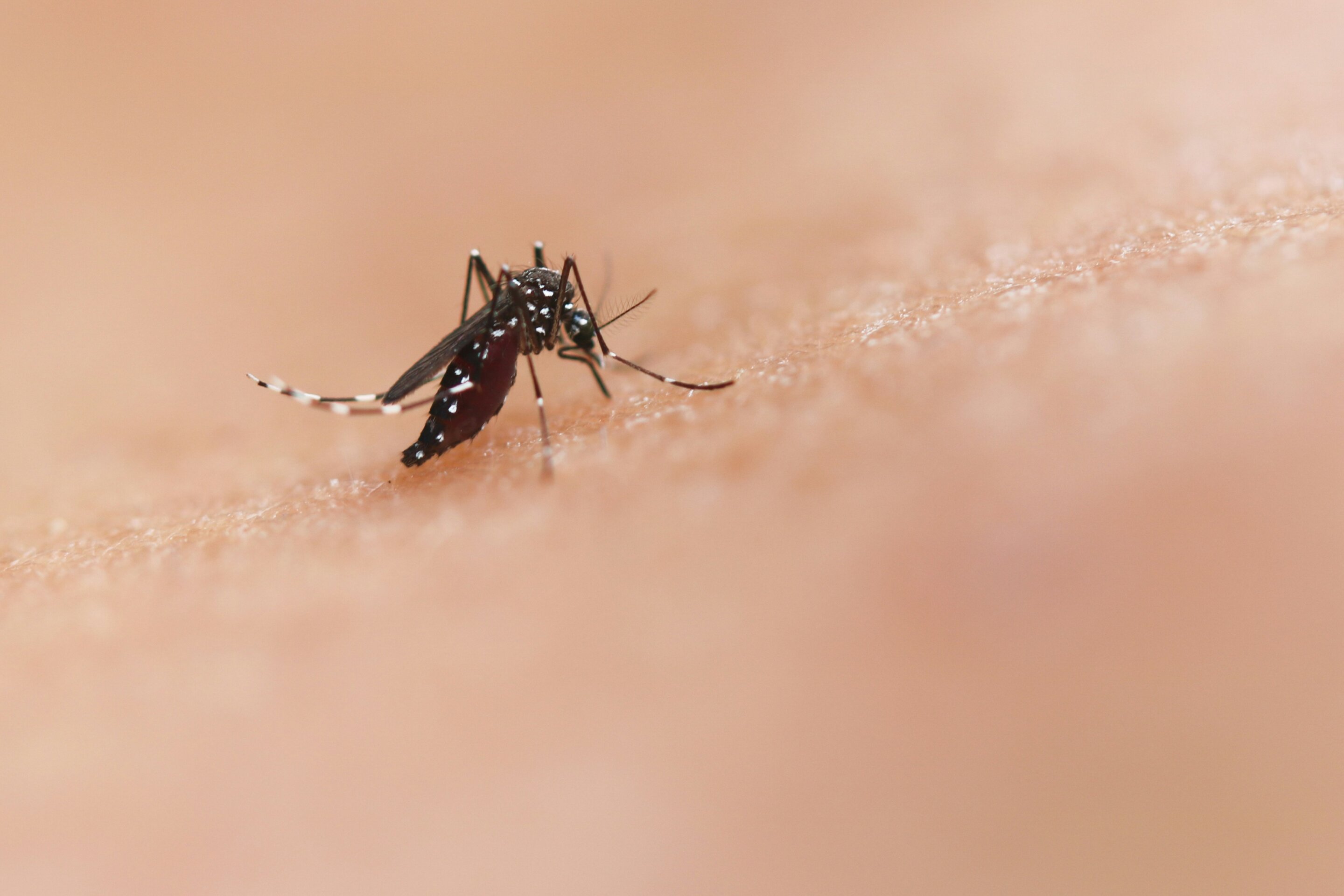
Expectations were high when the world's first malaria vaccines arrived in Africa's most populous country in late 2024, promising to limit the devastation from the mosquito-borne disease that killed nearly 200,000 Nigerians and some 600,000 people worldwide that year.
Progress has been slow—but on the local level, some villages have seen child deaths drop off completely, with almost a quarter-million children fully vaccinated and 1.8 million jabs administered.
"It makes me feel happy," said hairdresser Ezibanyenami Paul, her own smile contradicting her daughter's tears after she received her fourth and final jab in the town of Oruma, in southern Bayelsa state.
Combating malaria requires a complicated mix of state and private-sector capacity to procure medicines, organize public health campaigns and keep up infrastructure such as drains and sewage.
"The malaria vaccine is a breakthrough," said Hadiza Hussayn Jibril, of the NGO PATH, which is aiding Bayelsa state in its vaccine rollout. "But it doesn't provide 100% protection."
Still, Bayelsa has already seen an 18% drop in the rate of children under 5 who have malaria at any given time, according to PATH—all the more impressive considering bed net and preventive drug distributions have been lagging in the state for years.
Source link