This article has been reviewed according to Science X's editorial process and policies. Editors have highlighted the following attributes while ensuring the content's credibility:
For most Australians, general practice (GP) clinics are the first point of contact when seeking medical care. But many of us can relate to the difficulties of booking, paying for and attending an appointment.
General practitioners (GPs) are community-based doctors who provide comprehensive medical care themselves and also coordinate care from specialists, like cardiologists.
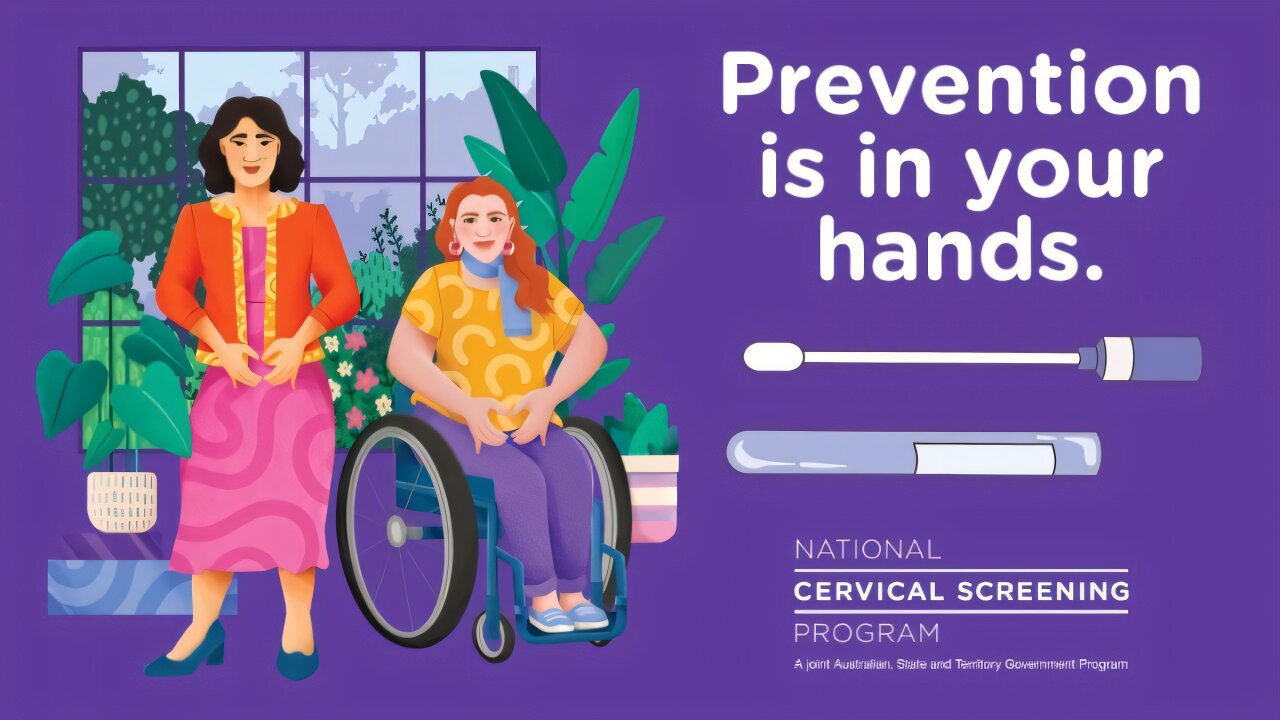
This makes GP clinics ideally placed to also offer preventive health care, which is why they've been central to delivering the National Cervical Screening Program since its inception in 1991.
A few years ago, this program was updated so that women and people with a cervix could choose to do this screening test themselves.
However, our new research published in Cancer Causes & Control has uncovered concerning shortfalls for people trying to access this care.
In order to see what it's actually like to try and get an appointment for cervical screening, we used a 'secret shopper' approach on more than 300 randomly selected GP clinics across Australia.
We called these clinics pretending to be patients trying to book an appointment. We then recorded the response from clinic reception and, in some cases, clinical staff.
Our study uncovered several barriers to accessing cervical screening, which may explain why some Australians are missing out on this important health check.
Cervical screening is a test that is recommended every five years to prevent cervical cancer (cancer of the neck of the womb).
Source link