This article has been reviewed according to Science X's editorial process and policies. Editors have highlighted the following attributes while ensuring the content's credibility:
Inflammation plays an important role in the development of atherosclerosis from its earliest stages, long before the onset of symptoms or cardiovascular events such as heart attack or stroke. This is the main conclusion of a study led by a team at the Centro Nacional de Investigaciones Cardiovasculares Carlos III (CNIC) and published in the European Heart Journal. The research shows that systemic inflammation contributes to disease development independently of traditional cardiovascular risk factors such as elevated cholesterol and hypertension.
Atherosclerosis is a silent process that begins decades before it becomes clinically apparent. While elevated LDL cholesterol and high blood pressure are well-established causal factors, the role of inflammation in the disease's earliest stages had not been defined. The new study provides evidence that inflammation is an essential component of early atherosclerosis development and that its assessment can improve the identification of people at higher cardiovascular risk.
The study was carried out within the PESA study (Progression of Early Subclinical Atherosclerosis), one of the largest international cohort studies investigating the initial stages of cardiovascular disease. Over six years, 3,471 middle-aged men and women with no known cardiovascular disease were followed using advanced vascular imaging techniques and analysis of several inflammatory biomarkers.
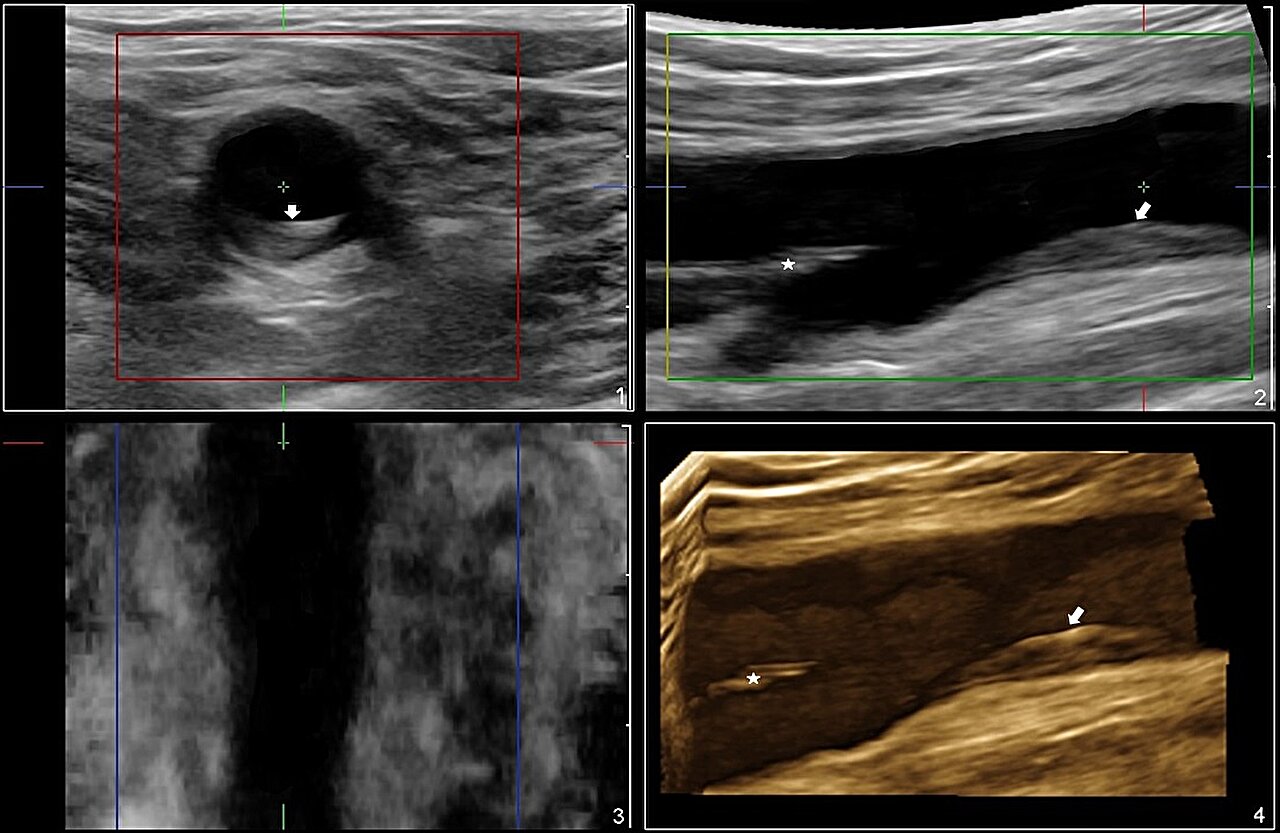
During this period, atherosclerosis progression was assessed using three-dimensional vascular ultrasound and coronary computed tomography, together with analysis of inflammatory markers. This approach made it possible to compare the contribution of inflammation with that of classic cardiovascular risk factors.
Source link