This article has been reviewed according to Science X's editorial process and policies. Editors have highlighted the following attributes while ensuring the content's credibility:
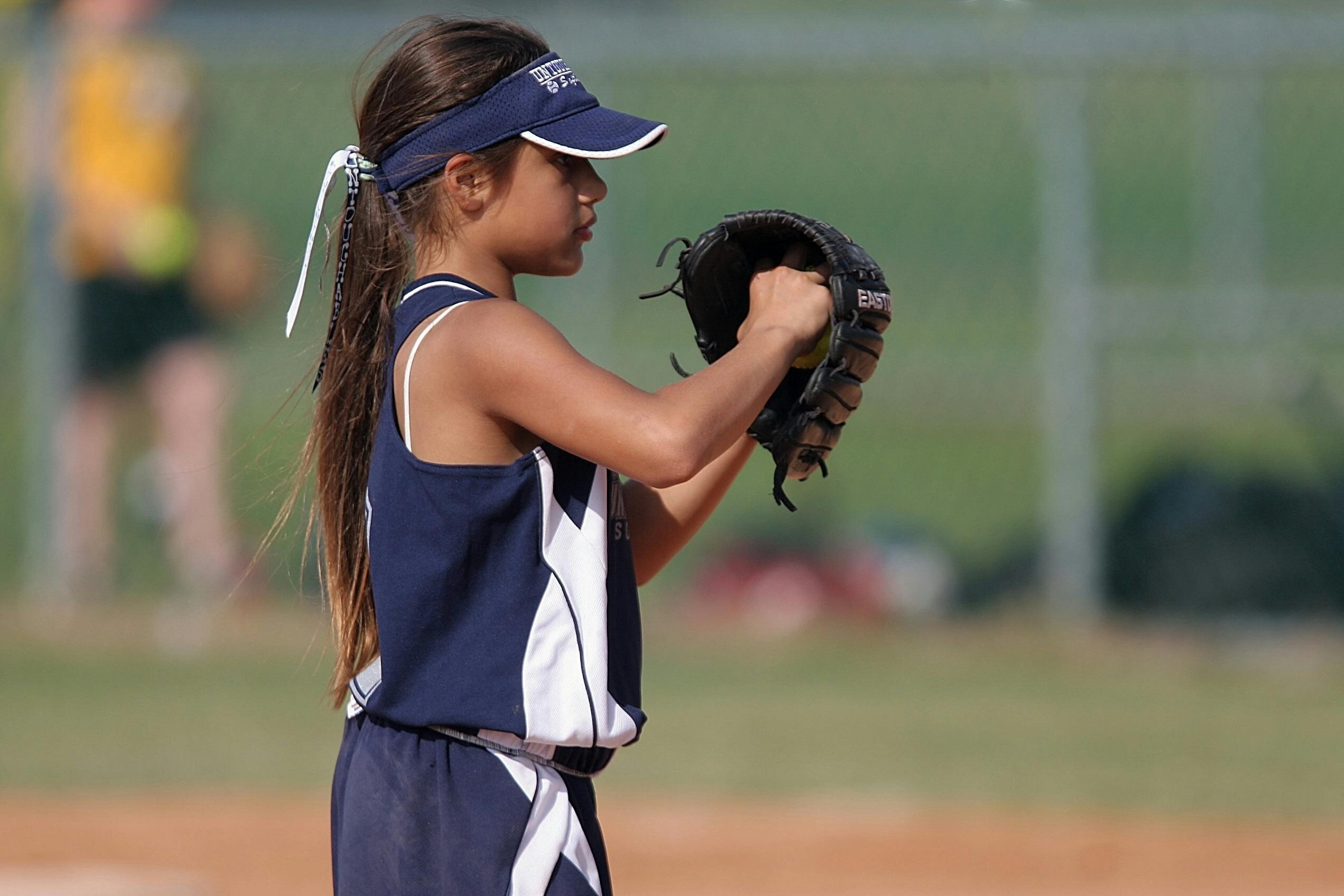
At a recent T-ball game, I was talking with another father who mentioned that his son had never played before. As we watched our children falling over trying to scoop up a ground ball, we laughed about how they were still figuring everything out. There was something refreshing about seeing kids learn a game without worrying about how well they were playing.
That moment stayed with me. I've spent years as an athletic trainer in collegiate and professional sports, helping athletes stay healthy, handle the demands of competition and perform at their best. Today, I'm a clinical associate professor of kinesiology and chief health and performance adviser for an NCAA Division I athletics program. Given my work, you might expect me to take an active role in developing my own children's athletic abilities, especially in a youth sports culture where early specialization and greater commitment are often seen as advantages.
And I understand the appeal. Like any parent, I want my children to have opportunities, and it's easy to wonder whether another practice or lesson might help them get ahead. But with twins who are nearly 6, I'm more interested in whether they enjoy sports than how good they become at them.
As they get older, particularly if they want to pursue sports seriously, my role as a parent will change. Right now, I can step back and let them explore.
Source link