This article has been reviewed according to Science X's editorial process and policies. Editors have highlighted the following attributes while ensuring the content's credibility:
For the first two laps, the student-athlete on the Syracuse University cross country team ran with flawless form. Then, down the stretch, their times began to slip as fatigue set in.
That's when Dan Griffiths '26 stepped in with an idea. He recorded the athlete during a competitive run and noticed that their entire left side, from knee to hip to ankle, "seemed to shut down" compared to their right side. The cause traced back to a hip injury from six years earlier that the athlete believed had fully healed.
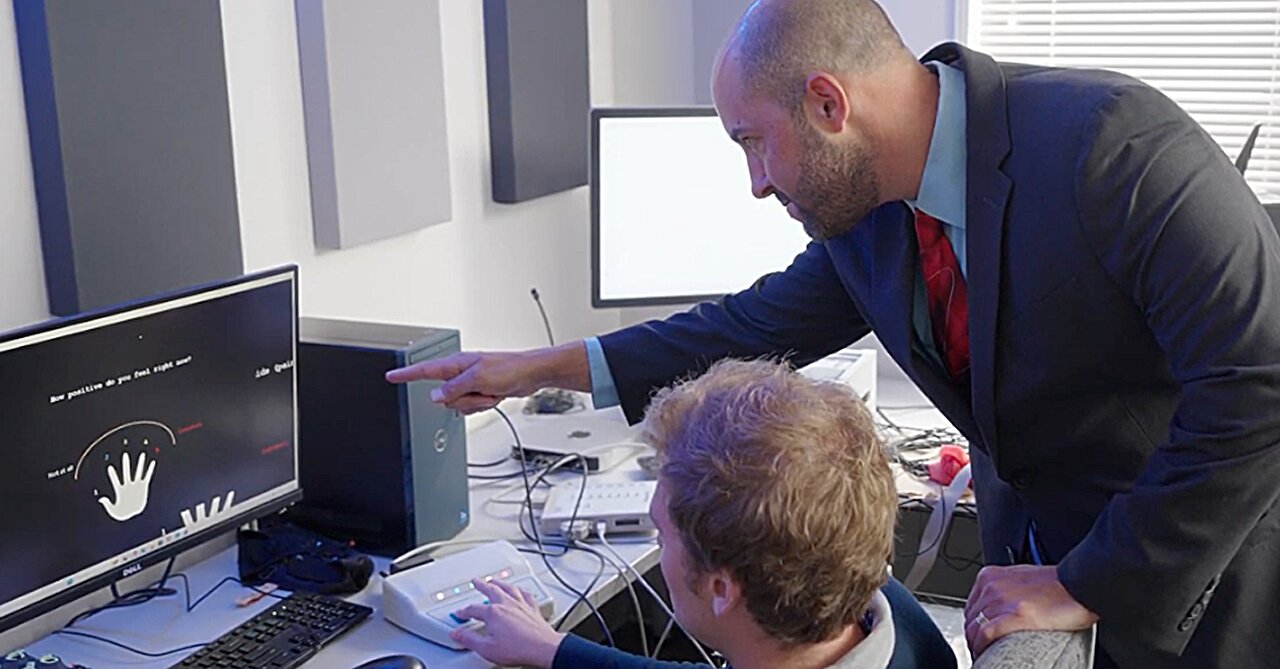
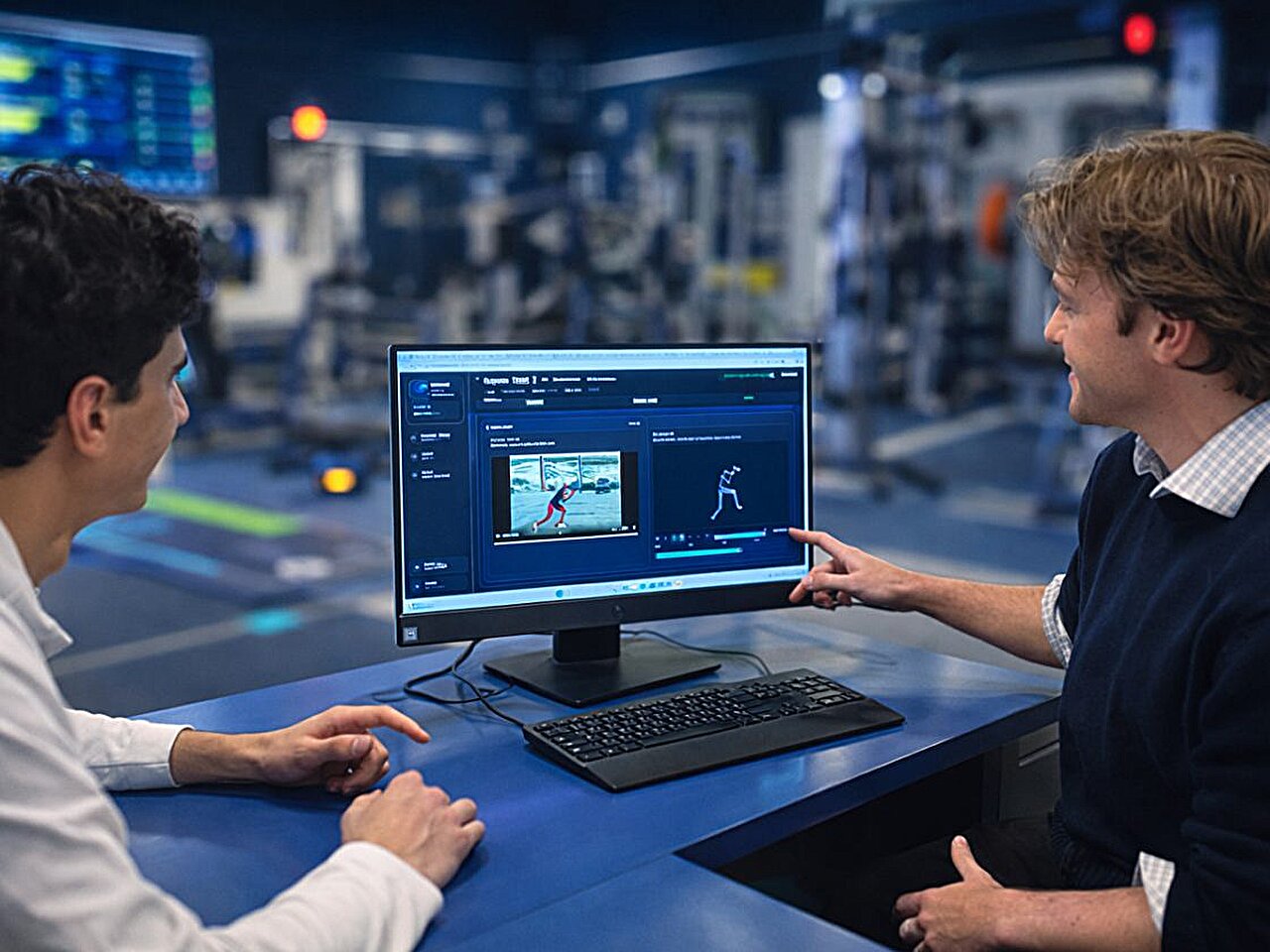
Griffiths, who studied sport analytics in the David B. Falk College of Sport, uncovered the problem with video and software he built himself. That software became Rebound Motion Intelligence, a biomechanics platform that creates professional motion analysis from a single camera.
"I have this exciting tool where I can democratize biomechanics without needing a $500,000 biomechanics lab to analyze an athlete's motion. All you need is video, and you can apply this to any athletic motion," says Griffiths, a quantitative analyst of computer vision for the Philadelphia Phillies.
Using AI and machine learning, Rebound turns recorded video into data once limited to high-end labs, including the forces moving through an athlete's body, which can help predict injury risk, improve performance and shape individualized training plans across sports.
A built-in coach bot powered by a large language model then translates those results into plain language, explaining the reasoning behind each recommendation and laying out a plan of action.
Source link