This article has been reviewed according to Science X's editorial process and policies. Editors have highlighted the following attributes while ensuring the content's credibility:
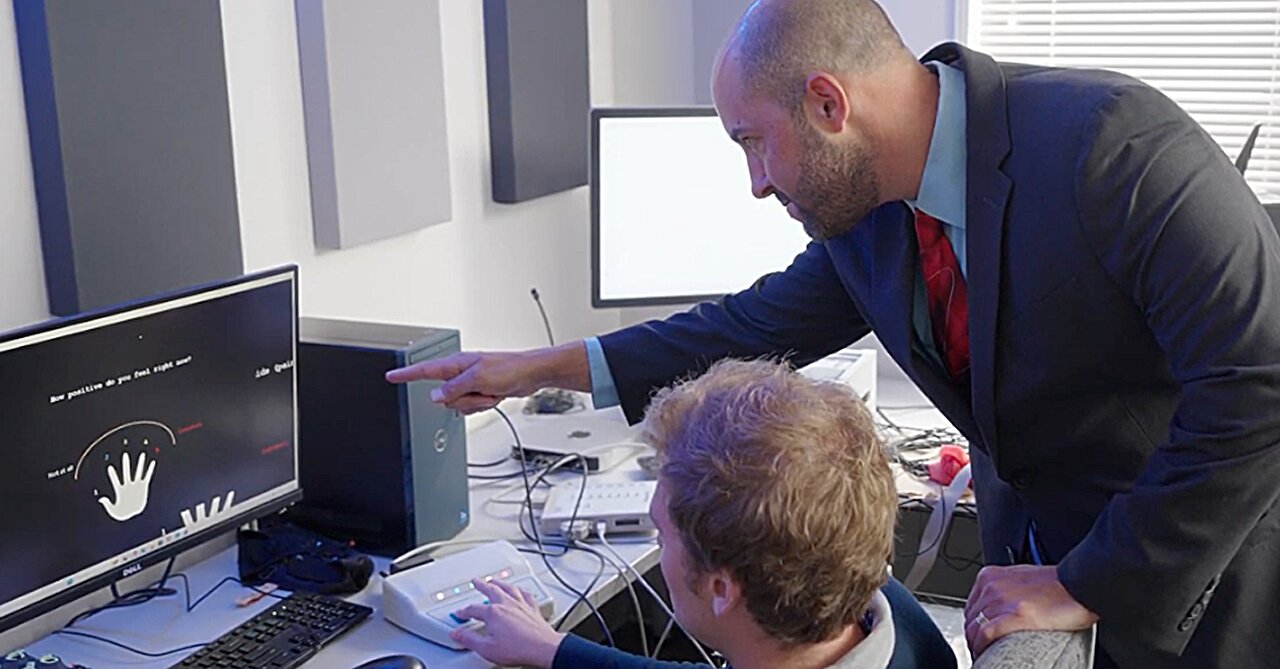
Researchers from the University of California San Diego School of Medicine have found that adding ketamine to a mindfulness-based treatment for opioid use disorder may strengthen people's ability to recognize and respond to signals from their bodies—changes that may help reduce opioid cravings. The study, published on Nov. 5, 2026, in the Journal of Psychopharmacology, provides new insight into how ketamine-assisted psychotherapy may enhance addiction treatment.
"Addiction can make it extraordinarily difficult for people to recognize what is happening inside their bodies and respond in ways that support recovery," said Eric Garland, Ph.D., professor of psychiatry at UC San Diego School of Medicine and senior author. "Our findings suggest ketamine combined with mindfulness may create an opportunity for people to become more attuned to those internal signals and, importantly, learn how to respond to them more skillfully rather than automatically reacting to cravings."
The new findings build on a randomized clinical trial published in Nature Mental Health in March 2026 (titled "Ketamine-assisted Mindfulness-Oriented Recovery Enhancement for opioid use disorder: a randomized controlled trial"). The trial included 68 adults with opioid use disorder who were taking buprenorphine, one of the most effective medications for treating opioid use disorder. Participants were randomly assigned to receive either Mindfulness-Oriented Recovery Enhancement (MORE) alone or MORE combined with two sessions of ketamine-assisted psychotherapy.
MORE is an eight-week, evidence-based, mind-body therapy developed by Garland that combines mindfulness with techniques designed to help people reframe stressful experiences and savor positive experiences and emotions.
Source link