This article has been reviewed according to Science X's editorial process and policies. Editors have highlighted the following attributes while ensuring the content's credibility:
When someone is living with dementia, decisions about their care can have a significant impact on their health and quality of life. But how are these decisions made, particularly when family members or friends are also involved?
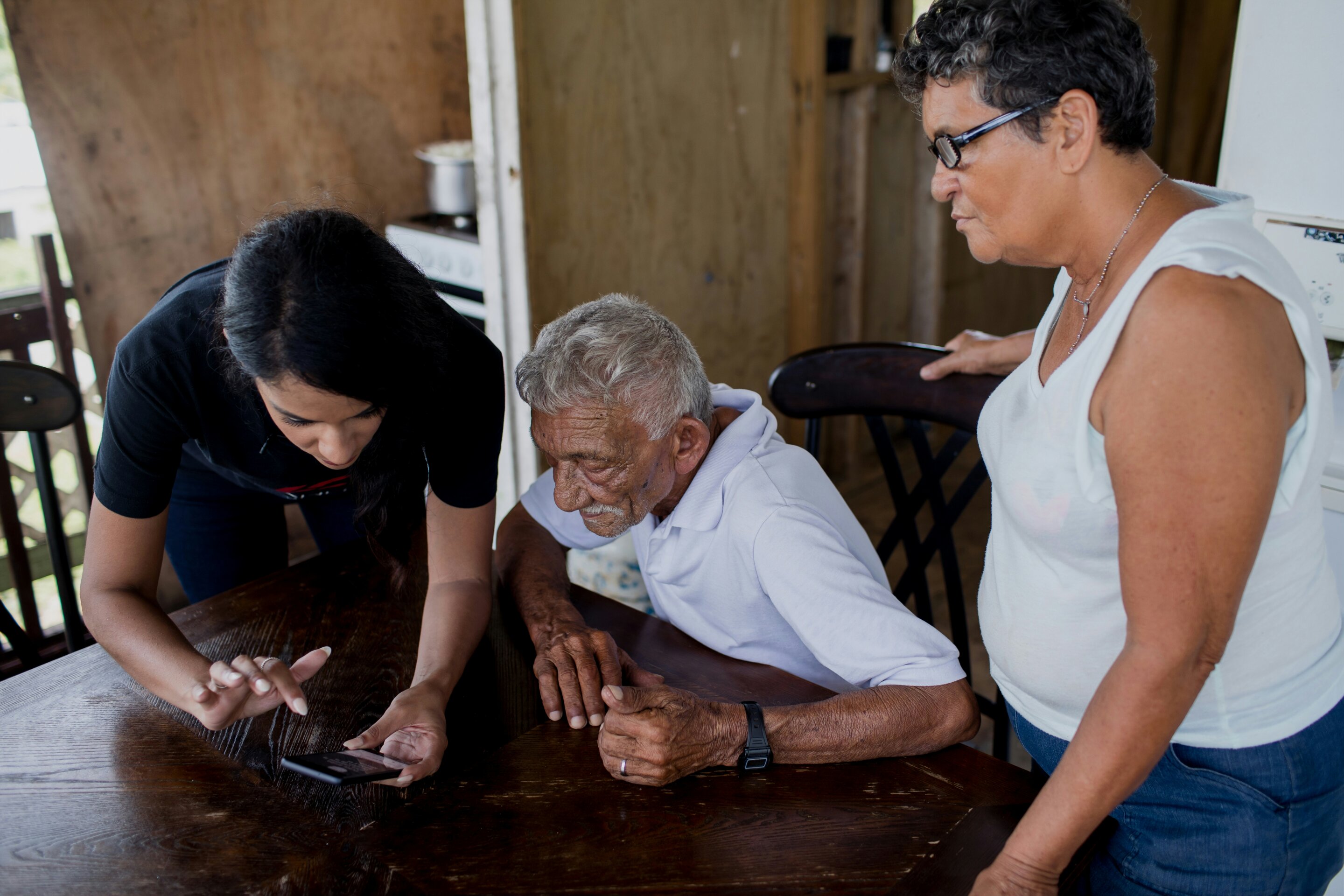
A research team at the University of Sheffield is exploring how people living with dementia, their companions and health care professionals make decisions together during memory clinic consultations.
Led by principal investigator Dr. Traci Walker of the School of Allied Health Professions, Pharmacy, Nursing and Midwifery, the team includes Dr. Isabel Windeatt-Harrison, professor Markus Reuber, Dr. Simon Bell, Dr. Dan Blackburn, Dr. Alistair Wardrope, Dr. Jon Dickson and Dr. Sara Jones, alongside a dedicated patient and public involvement (PPI) group.
In a recent analysis, the researchers identified a striking difference in how people responded to medication and non-drug interventions. Nonpharmacological management (NPM) includes approaches that do not involve medication, such as cognitive stimulation therapy, dementia cafes, hearing aids and referrals to organizations such as Age UK.
The researchers found that people living with dementia and their companions resisted or declined offers of non-drug interventions in 54% of cases, compared with 19% of offers of medication.
Looking closely at the consultations, the team found that health care professionals often presented these options differently. Non-drug interventions were more likely to be offered with less emphasis on their potential benefits, less information about what they involved and less follow-up when someone initially expressed reluctance.
Source link