This article has been reviewed according to Science X's editorial process and policies. Editors have highlighted the following attributes while ensuring the content's credibility:
Can reaching out to new mothers right at the outset of parenting set them on the right path? A new study published in BMC Health Services Research assesses home health visitation programs, which provide perinatal mental health services for mothers and families who might not otherwise have access to such resources.
The study details a community-engaged formative evaluation designed to scale the "Mothers and Babies" cognitive-behavioral intervention within state home visiting programs across Iowa and Indiana. The investigation was led by Elissa Z. Faro, Ph.D., an implementation scientist and medical anthropologist at the Hackensack Meridian Center for Discovery and Innovation (CDI), alongside co-principal investigator Kelli Ryckman, Ph.D., associate dean of research at Indiana University School of Public Health—Bloomington.
Perinatal depression and anxiety are common and potentially serious complications of pregnancy and childbirth, directly contributing to maternal mortality and persistent health disparities, particularly among Black, Indigenous and people of color (BIPOC) populations.
Home visiting programs (HVPs) are a vital community health link already reaching thousands of low-income and marginalized families annually. But delivering evidence-based mental health interventions from these HVPs—which vary in operations, staffing and funding—poses implementation challenges.
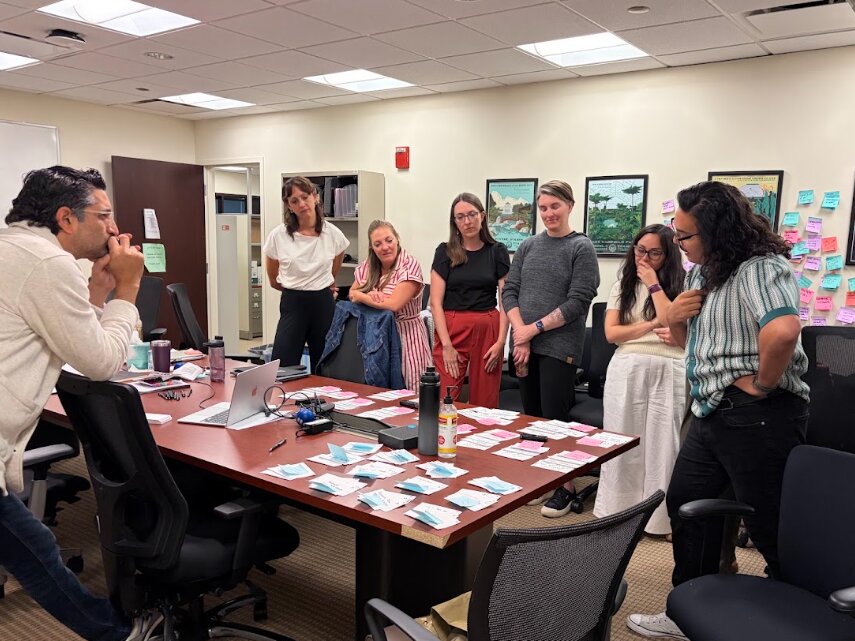
The researchers consequently launched a multifaceted investigation as part of IMPACT (Implementing Mental Health Programs Across Communities in Iowa & Indiana) trial. Using a modified Implementation Mapping approach, the team partnered with health care providers, state agency representatives and program recipients to adapt an implementation facilitation strategy.
Source link