This article has been reviewed according to Science X's editorial process and policies. Editors have highlighted the following attributes while ensuring the content's credibility:
Targeting a deep brain region with sound waves may safely reduce delusions in people with schizophrenia and schizoaffective disorder, initial study results show. These conditions can cause people to hear or see things that are not there and develop beliefs that are firmly held but not true.
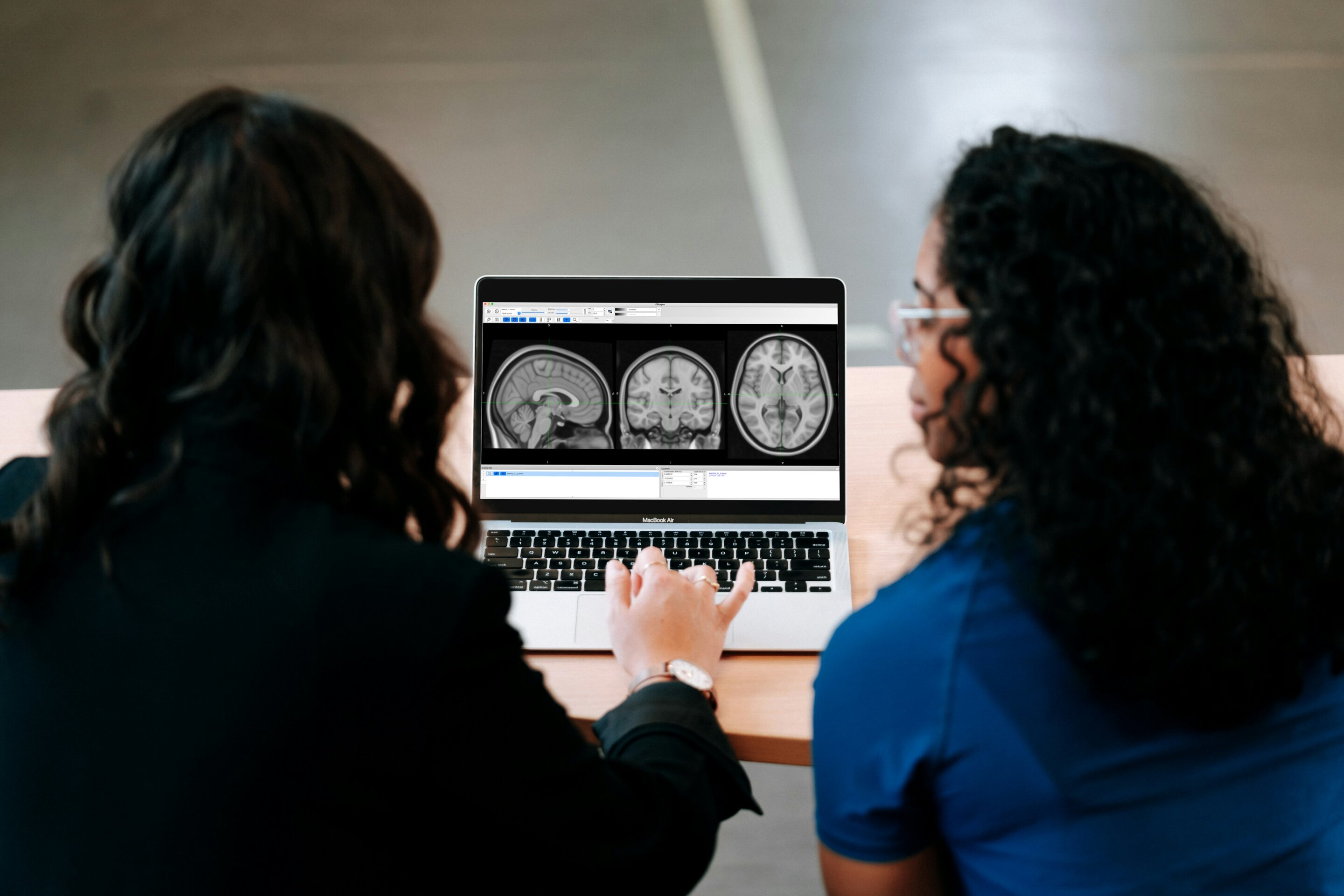
Led by NYU Langone Health psychiatrists and engineers, the study explored a technique called transcranial ultrasound stimulation in 10 men and women with schizophrenia or schizoaffective disorder who had ongoing symptoms despite drug treatment. The approach uses gentle, focused sound waves to boost or suppress brain cell activity in regions that are otherwise hard to access without surgery or other invasive procedures.
The findings revealed that a single 10-minute ultrasound session led to a modest but clear drop in delusion scores, with an average decrease of 1.2 points on a standard clinical scale used to evaluate delusion severity. By contrast, when the same patients received a sham version of the treatment, their delusion scores rose by an average of 0.4 points.
All side effects, such as fatigue, headache and brief increases in psychotic symptoms, were mild and short-lived and did not differ between the active and sham treatments.
"Our results offer early evidence that a single session of transcranial ultrasound stimulation can safely 'tune' a brain circuit linked to psychosis and lead to a noticeable drop in delusions," said study lead author Wei Qi, a clinical assistant professor in the Department of Psychiatry at NYU Grossman School of Medicine.
Source link