This article has been reviewed according to Science X's editorial process and policies. Editors have highlighted the following attributes while ensuring the content's credibility:
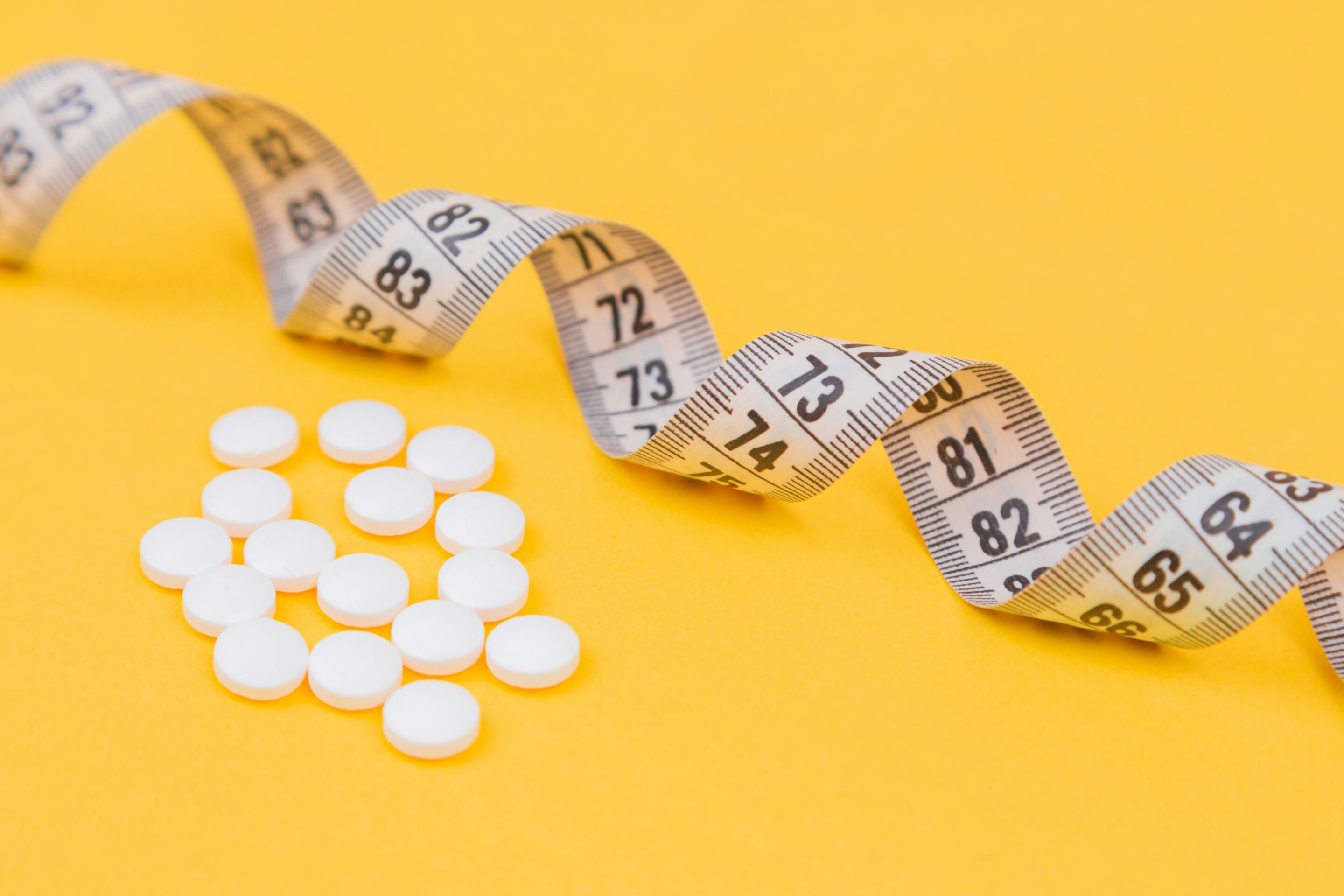
The success stories of GLP-1 weight-loss medications are dominating the airwaves. Midlife women, who commonly experience weight gain resulting from menopause, have been especially drawn to the drugs.
A new study suggests that hormone therapy is associated with greater and sustained weight loss with some GLP-1s. Results of the study will be presented at the 2026 Annual Meeting of The Menopause Society in San Diego, Oct. 20–24, 2026.
Around 20% (one in five) of women ages 50 to 64 report current or past use of a GLP-1 (glucagon-like peptide-1 receptor agonist)-based obesity medication, making this age group the most represented demographic among GLP-1 users in the U.S. Weight gain during midlife is a common concern among women. Although these gains are largely driven by aging, menopause-related factors can contribute to fat accumulation and redistribution.
GLP-1 medications have been proven effective for weight loss, although treatment response may vary by sex and reproductive stage. Female sex and younger age have generally been associated with a greater weight-loss response.
Small retrospective observational cohort studies in postmenopausal women have suggested that the use of hormone therapy is associated with a greater weight-loss response to semaglutide (SEM; GLP-1 RA) and tirzepatide (TZP; a dual GLP-1/glucose-dependent insulinotropic polypeptide agonist).
A new study, however, involves the first known large real-world cohort of midlife women treated for overweight or obesity. It aimed to determine whether weight loss with SEM or TZP differs between midlife women using hormone therapy and those not using hormones.
Source link