This article has been reviewed according to Science X's editorial process and policies. Editors have highlighted the following attributes while ensuring the content's credibility:
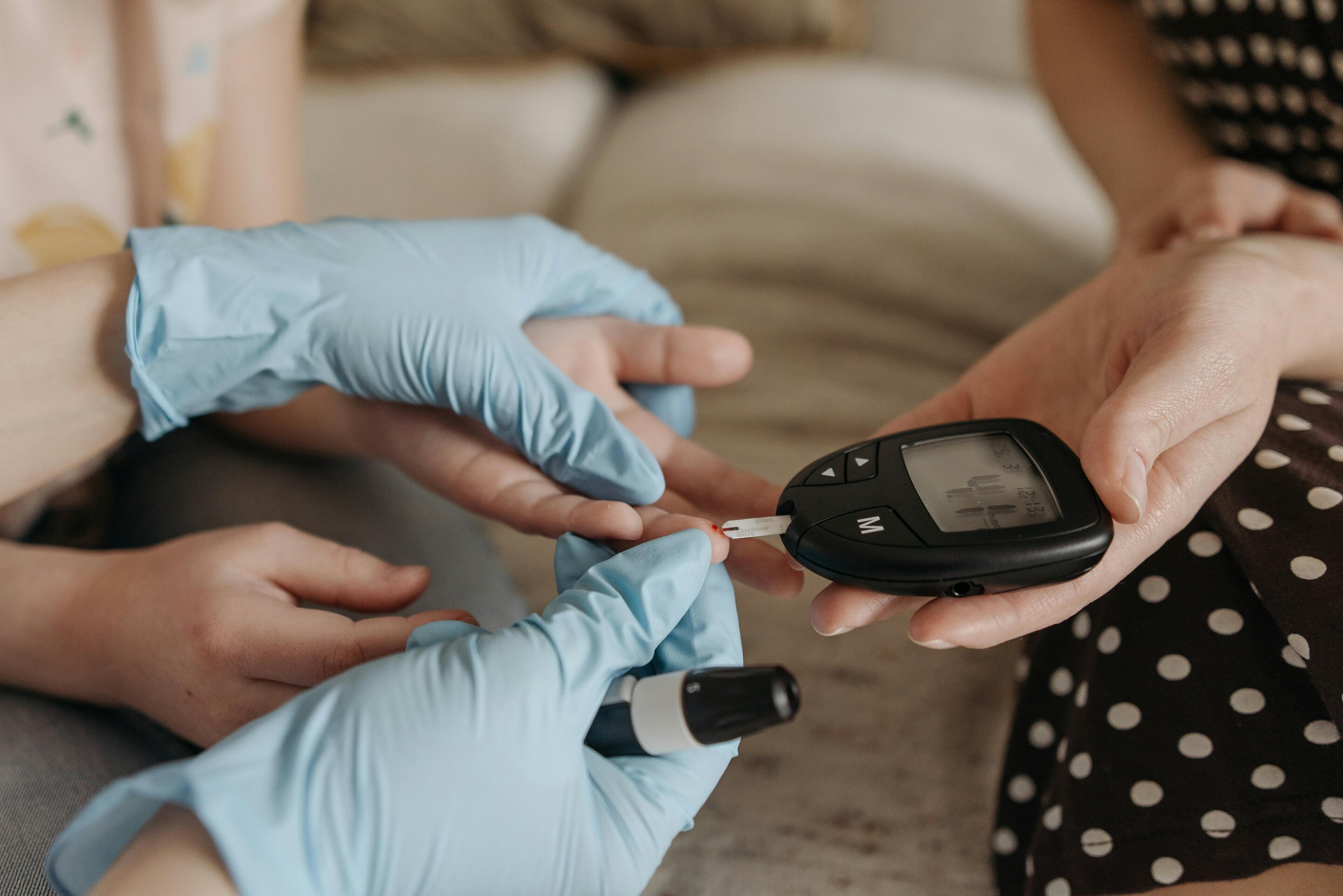
The first 90 days after starting antipsychotic treatment are crucial for changes in blood sugar and weight, finds a new study led by UCL researchers. Second-generation antipsychotics are important treatments for severe mental illness, including schizophrenia and bipolar disorder. However, they can increase the risk of diabetes and weight gain.
New research, published in The Lancet Psychiatry, analyzed anonymous NHS GP health records from nearly 97,000 adults in England (ages 18–59) who had severe mental illness and started taking an antipsychotic medicine (olanzapine, quetiapine, risperidone or aripiprazole) between 2000 and 2023.
Experts reviewed information recorded from two years before patients started antipsychotic treatment to two years after—focusing on factors such as fluctuations in weight and blood test results.
They found that the most significant metabolic changes happened during the first 90 days after treatment started.
During this time, HbA1c (a measure of average blood sugar) rose around 14 times faster and weight around nine times faster than before antipsychotic treatment began. However, changes in blood sugar and weight did not always occur together, suggesting that monitoring weight alone may miss important metabolic changes.
First author Dr. Juan Carlos Bazo-Alvarez (UCL Epidemiology and Health) said, "Antipsychotic medicines are valuable treatments that help many people with serious mental illnesses.
"However, our study shows that the first 90 days after starting treatment are a key period when changes linked to diabetes and weight gain can begin.
Source link