This article has been reviewed according to Science X's editorial process and policies. Editors have highlighted the following attributes while ensuring the content's credibility:
Researchers at the University of Veterinary Medicine Vienna, in collaboration with the CeMM Research Center for Molecular Medicine and St. Anna Children's Cancer Research, have developed a new analytical method that reveals which RNA molecules are involved in cancer-promoting cellular structures. Using this method, the Vienna-based research team identified the RNA molecule Gas5 as an important regulator of NUP98::KDM5A oncogenic condensates, which control gene activity in aggressive forms of acute myeloid leukemia (AML). This new insight may provide important starting points for cancer research and improved patient treatment. The study was published in the journal The EMBO Journal.
Aggressive leukemias can be driven by so-called fusion oncoproteins. Within cells, these proteins can accumulate in biomolecular condensates—dynamic, membrane-less structures in which different biomolecules interact to influence gene activity. Until now, however, little was known about which RNA molecules are involved in these "oncocondensates."
"With the bicon-seq method we have developed, we can now systematically identify which RNAs are associated with biomolecular condensates. This makes a previously difficult-to-access layer of gene regulation measurable," explains Florian Grebien, senior author of the study and head of the Unit of Medical Biochemistry at the University of Veterinary Medicine Vienna.
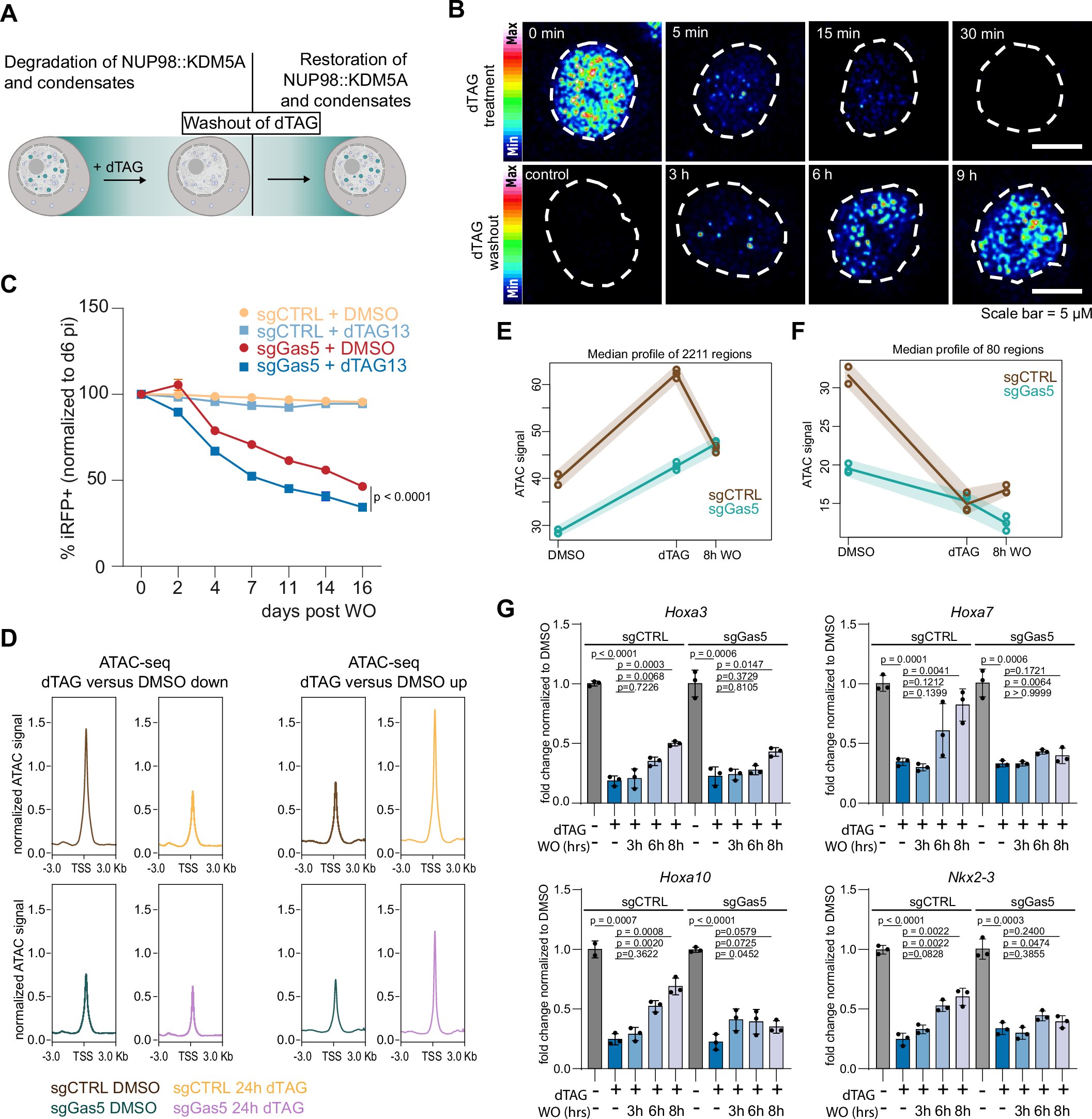
The current study focused on the fusion oncoprotein NUP98::KDM5A. This protein occurs in aggressive forms of AML and promotes the formation of condensates in leukemia cells that are required for the activation of leukemia-relevant genes.
Source link