This article has been reviewed according to Science X's editorial process and policies. Editors have highlighted the following attributes while ensuring the content's credibility:
Neutrophils are white blood cells that form part of the body's first line of defense. Researchers have now demonstrated for the first time that neutrophils are found in many tissues during embryonic development, and that they can perform the same functions as adult neutrophils. The findings warrant further study on the role of embryonic neutrophils in tissue development and in responding to infections in fetuses and newborns.
Neutrophils are part of innate immune defense. When inflammation occurs, they rapidly migrate from the bloodstream into tissues to eliminate harmful microbes. Their role is well understood in adults, but little is known about embryonic neutrophils.
During their studies, the researchers from the University of Turku, Finland, discovered that there were large populations of neutrophils in several developing embryonic tissues in mice. Their study is published in the journal Nature Communications.
"We were immediately intrigued. What is the role of these defense cells when the embryo is still safely inside the uterus? The uterus provides an almost sterile environment where there should not yet be any need for rapid defense cells," says doctoral researcher Laura Lintukorpi from the University of Turku.
The researchers used single-cell RNA sequencing, which revealed that embryonic and adult neutrophils differed slightly in their gene expression, although their major developmental stages proved to be similar.
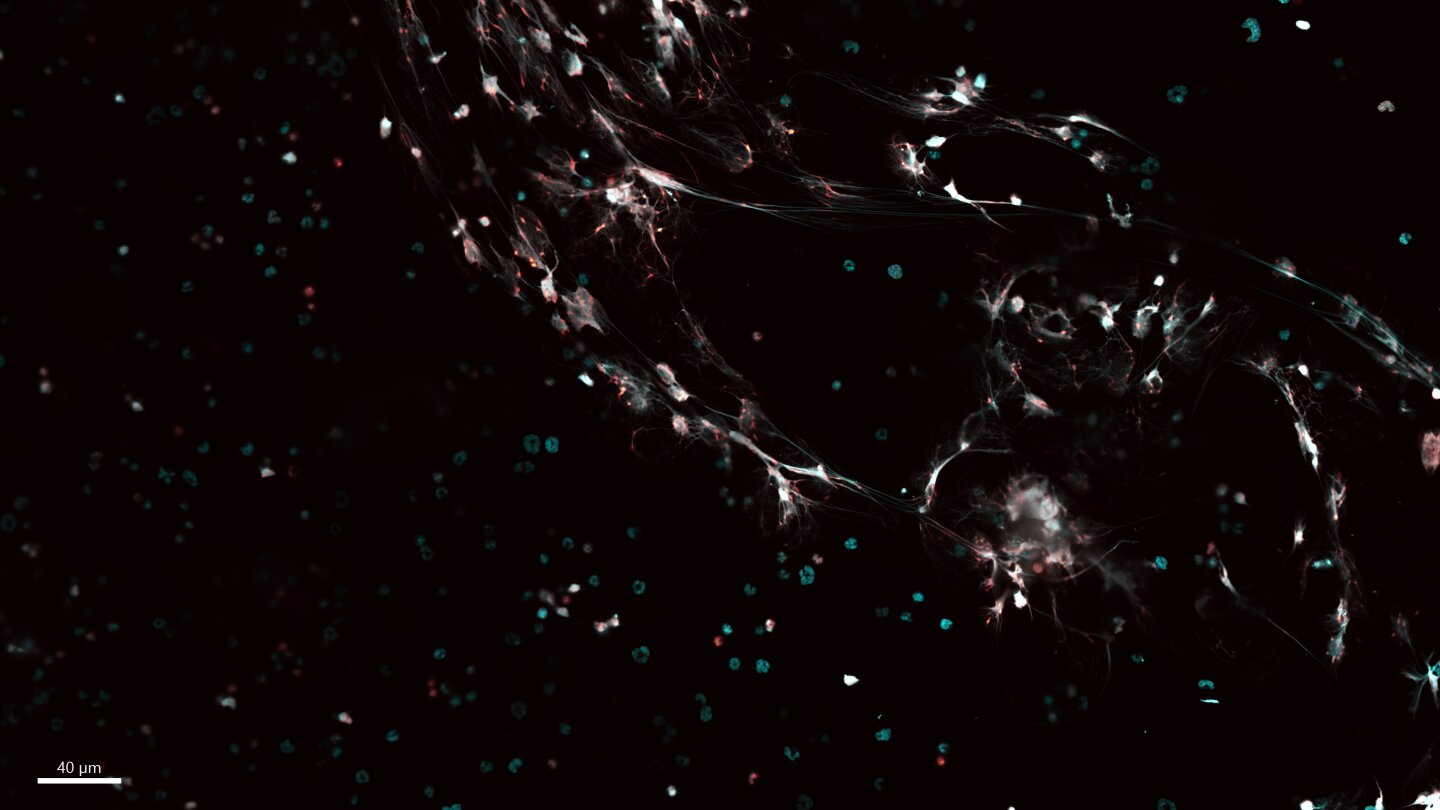
"Embryonic neutrophils were able to perform immune functions typical of adult neutrophils, such as ingesting particles, producing toxic oxygen compounds and forming weblike structures that trap pathogens outside the cell.
Source link