This article has been reviewed according to Science X's editorial process and policies. Editors have highlighted the following attributes while ensuring the content's credibility:
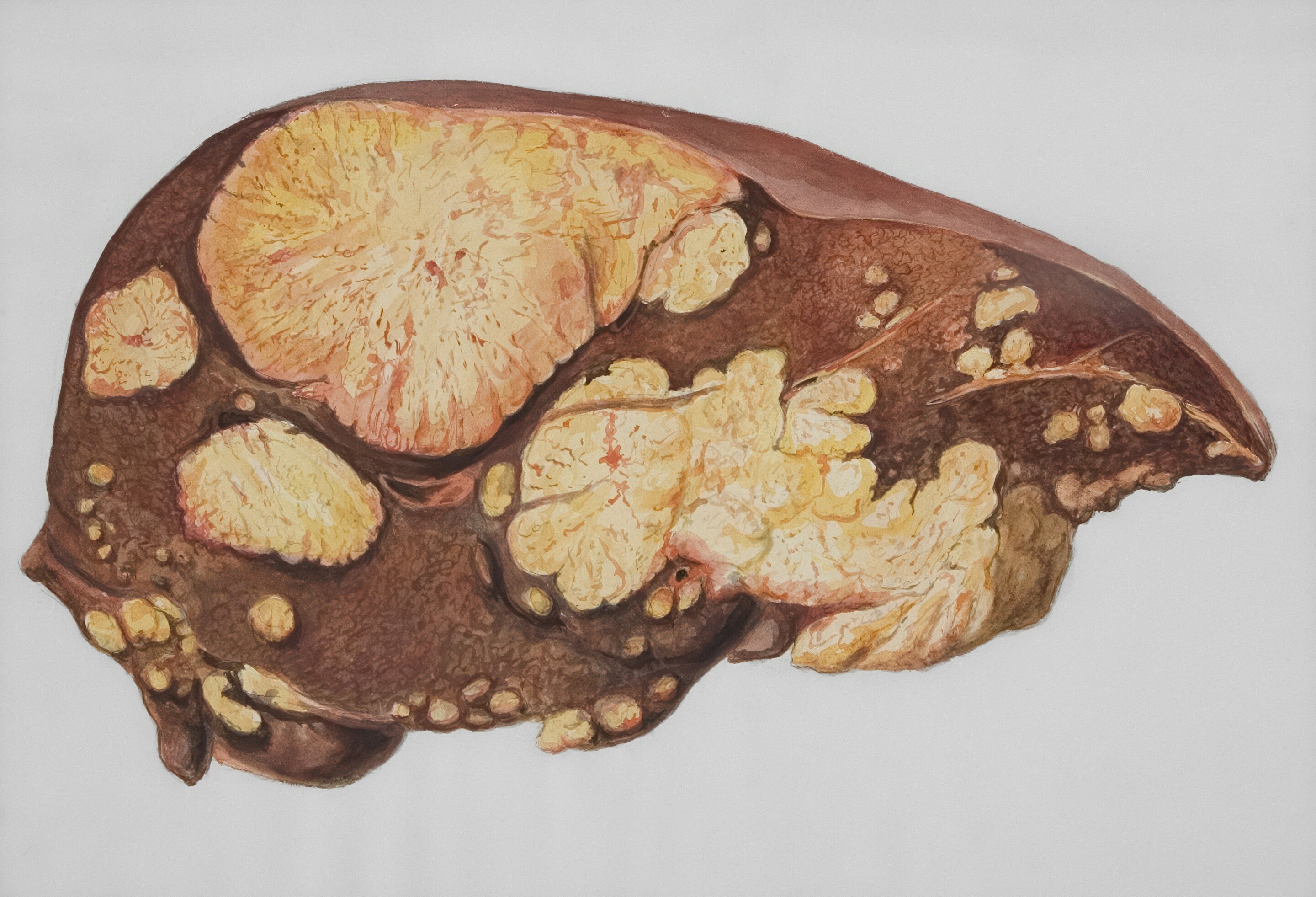
The mechanisms that cause the world's most common chronic liver disease—metabolic dysfunction-associated steatotic liver disease (MASLD)—to develop and progress are still not fully understood.
Now, a study by the University of Barcelona has identified a new factor involved in the development of the disease: the protein ENT1, which transports small molecules essential for liver cell function into cells. The results of the study, carried out with patients and animal models, open the door to exploring future therapies.
Sonia Fernández-Veledo, from the Southern Catalonia Biomedical Research Institute (IRB CatSud), the Universitat Rovira i Virgili and the CIBER Area for Diabetes and Associated Metabolic Diseases (CIBERDEM), also co-leads the study carried out together with experts from other national and international institutions.
This chronic disease, which is not caused by alcohol consumption but by metabolic disturbances such as obesity, is characterized by the excessive accumulation of fat in the liver and can progress to more severe forms, such as advanced fibrosis or liver cancer.
To uncover the liver mechanisms that contribute to the early stages of the disease, the researchers focused on ENT1, a transporter protein that regulates the entry of small molecules called nucleosides across the plasma membrane. Thus, the team studied the expression of ENT1—that is, the extent to which the gene responsible for producing this transporter is active—and its impact on liver and whole-body metabolism.
Source link