This article has been reviewed according to Science X's editorial process and policies. Editors have highlighted the following attributes while ensuring the content's credibility:
Top athletes do not have sharper eyesight than athletes who compete at lower levels. Their advantage lies in visual skills that have to work at speed. A study of 598 athletes, led by researchers at the Second Faculty of Medicine of Charles University in Prague, found that professionals outperformed nonprofessionals on 6 of 10 visual-motor measures, including depth perception, reaction time and tracking several moving objects at once. On visual clarity and contrast sensitivity, the two groups did not differ.
The study, published in the Open Access Journal of Sports Medicine, compared 499 athletes competing at the national or international level with 99 recreational, school and college athletes. All of them were between 14 and 39 years old.
"When it comes to basic eye tests like visual acuity and contrast sensitivity, the professionals look much like other athletes," said first author Viktor Veselý of the Department of Rehabilitation and Sports Medicine at the Second Faculty of Medicine and Motol University Hospital. "They pull ahead in tasks where the eyes and the brain have to work together quickly: shifting focus between near and distant objects, taking in a lot of information in a split second and keeping track of several moving targets."
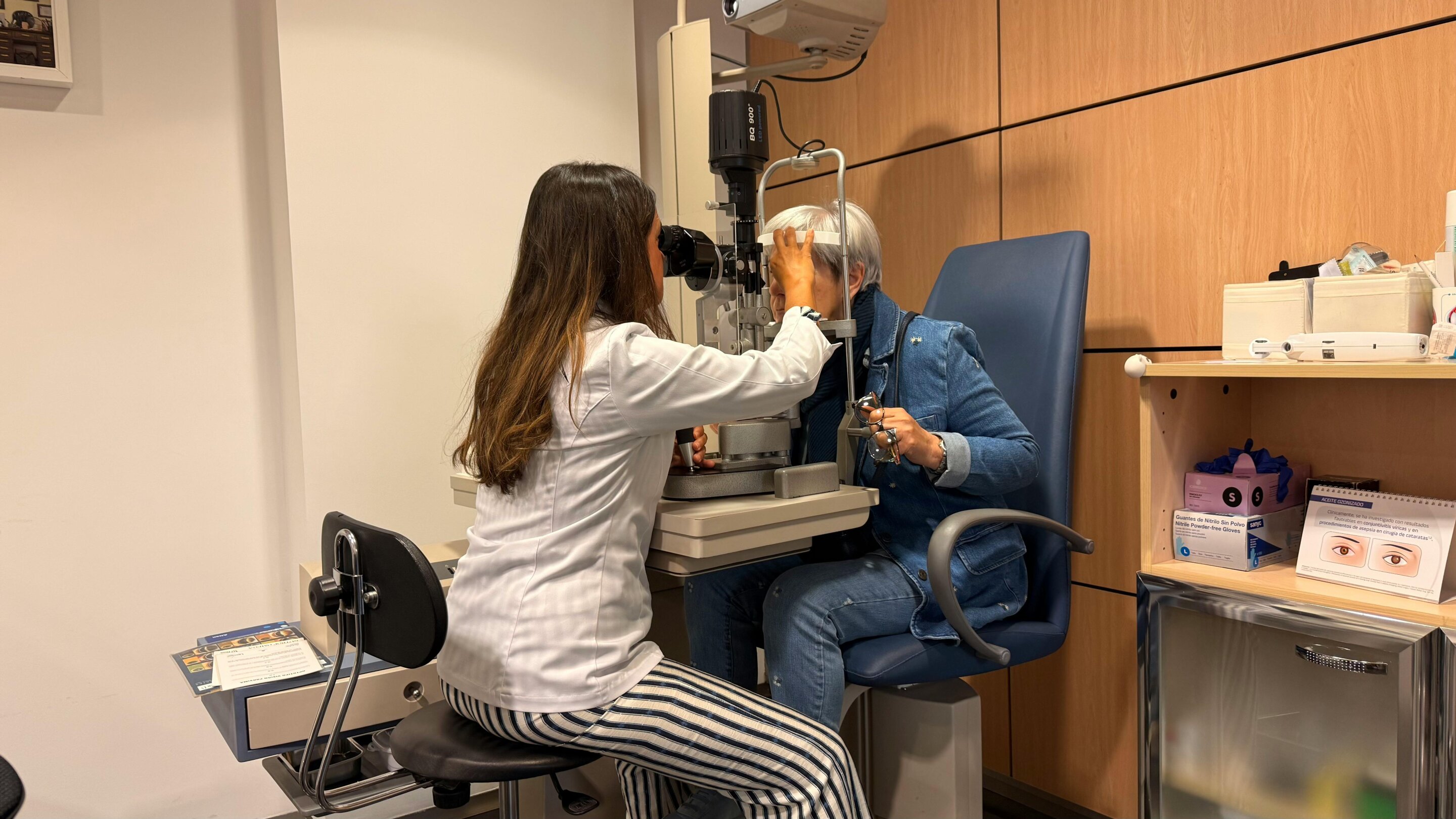
The researchers analyzed anonymized records from routine examinations at a sports vision and optometry center. Each athlete had been tested with conventional optometric methods and on the Senaptec Sensory Tablet, a touchscreen device that measures seven visual-motor abilities.
Source link