This article has been reviewed according to Science X's editorial process and policies. Editors have highlighted the following attributes while ensuring the content's credibility:
Scientists have long known that diet shapes the immune system. Now, a UC San Francisco team has found that even a brief dietary change can substantially change how the body responds to skin irritation, at least in mice.
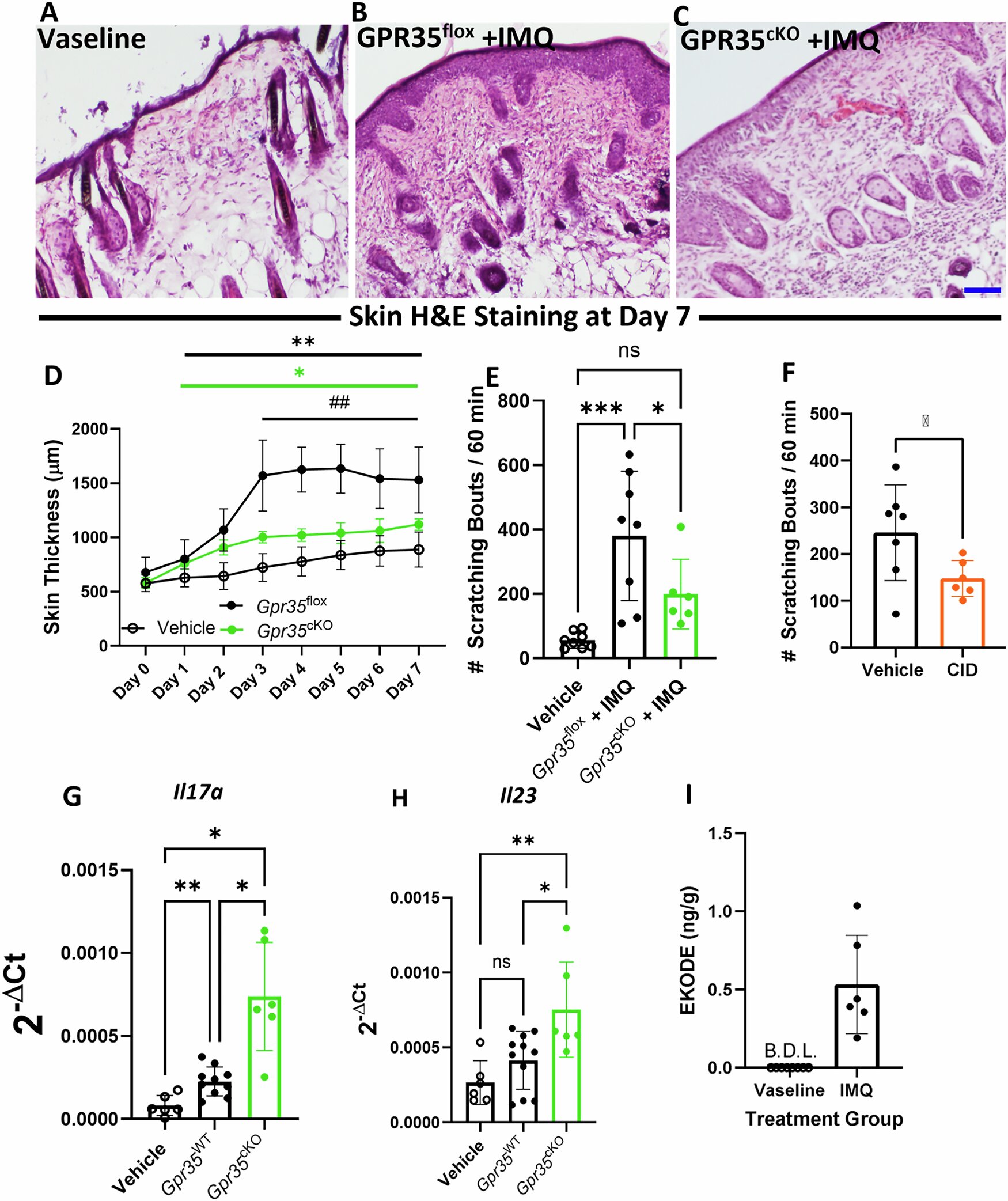
When scientists fed mice a high-fat diet for just a few days, the mice had a much worse reaction to an irritating cream. And the skin stayed on alert even after the mice returned to a low-fat diet and the inflammation cleared, responding more strongly the next time it was exposed to the cream.
The findings suggest that short-term diet may have just as much an effect as body weight when it comes to inflammation.
"Long-term dietary habits absolutely matter for health, but our study unearthed a much more real-time influence of diet," said Sagar Bapat, M.D., Ph.D., professor of pathology at UCSF and corresponding author of the paper, which appears in Nature on Oct. 28. "Breakfast, lunch, dinner—they all can have a tremendous and rapid impact on the immune system."
The discovery grew from laboratory experiments on obesity, led by Zewen "Owen" Jiang, Ph.D., co-first author of the paper, carried out when he was a graduate student at UCSF.
Jiang and his colleagues first raised mice on either low-fat or high-fat food pellets. Then, the scientists applied imiquimod, a cream that triggers skin inflammation, to one ear of each mouse and compared what happened between the low- or high-fat diet groups.
Source link