This article has been reviewed according to Science X's editorial process and policies. Editors have highlighted the following attributes while ensuring the content's credibility:
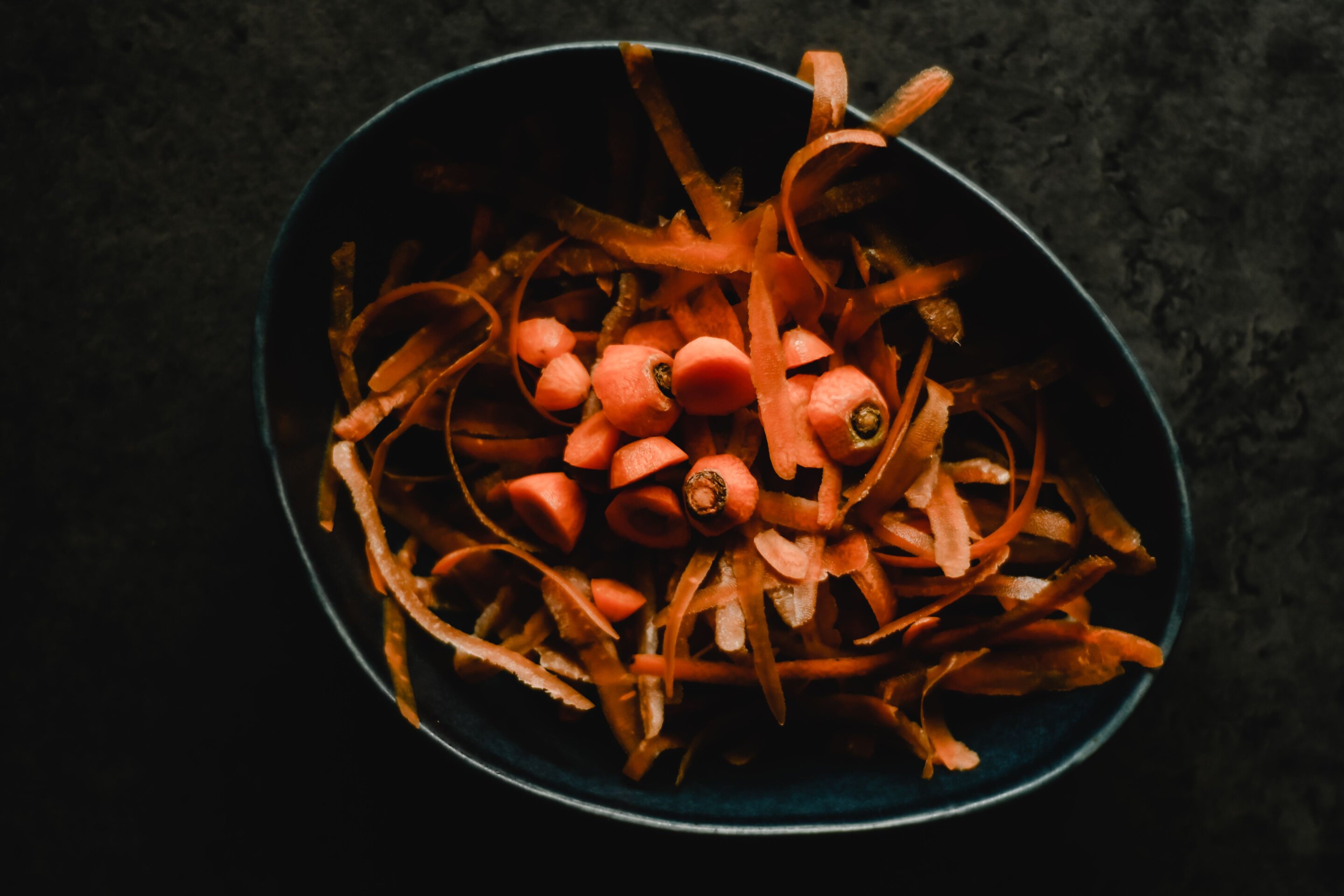
Most of us routinely discard the peels, skins, stalks and seeds of fruits and vegetables at mealtime. But new research from King's College London suggests these scraps could be a valuable—and overlooked—source of dietary fiber, offering potential benefits for both public health and the environment.
The study, published in the International Journal of Food Sciences and Nutrition, analyzed 12 common types of fresh produce in the U.K.
It found that 'root-to-tip' components—the parts typically thrown away, such as peels, skins and stalks—contained significantly higher levels of dietary fiber than the portions we normally eat in 10 out of 12 cases.
Globally, dietary fiber intake falls short of recommendations in most developed nations, while food waste has reached crisis proportions. The United Nations has set Sustainable Development Goals to address both issues.
In the U.K. alone, only 4% of British adults meet the recommended minimum daily intake of 30g of dietary fiber, consuming an average of just 16.4g per day. At the same time, approximately 10 million metric tons of food is wasted annually, with fresh fruits and vegetables representing 36% of this.
Dietary fiber is particularly important. It plays a crucial role in digestive health, helps reduce the risk of type 2 diabetes and heart disease, and promotes feelings of fullness. It can reduce the risk of cardiovascular disease, certain cancers and premature mortality.
Source link