Amazon’s third-quarter earnings brought the same concern that shadowed Alphabet’s results a day earlier: whether enormous artificial intelligence investments will deliver enough profit and cash to dispel fears of a spending bubble. Thursday’s (Oct. 29) call revolved largely around AI and Amazon Web Services, which CEO Andy Jassy said could become a trillion-dollar revenue business within five to 10 years.
Complete the form to unlock this article and enjoy unlimited free access to all PYMNTS content — no additional logins required.
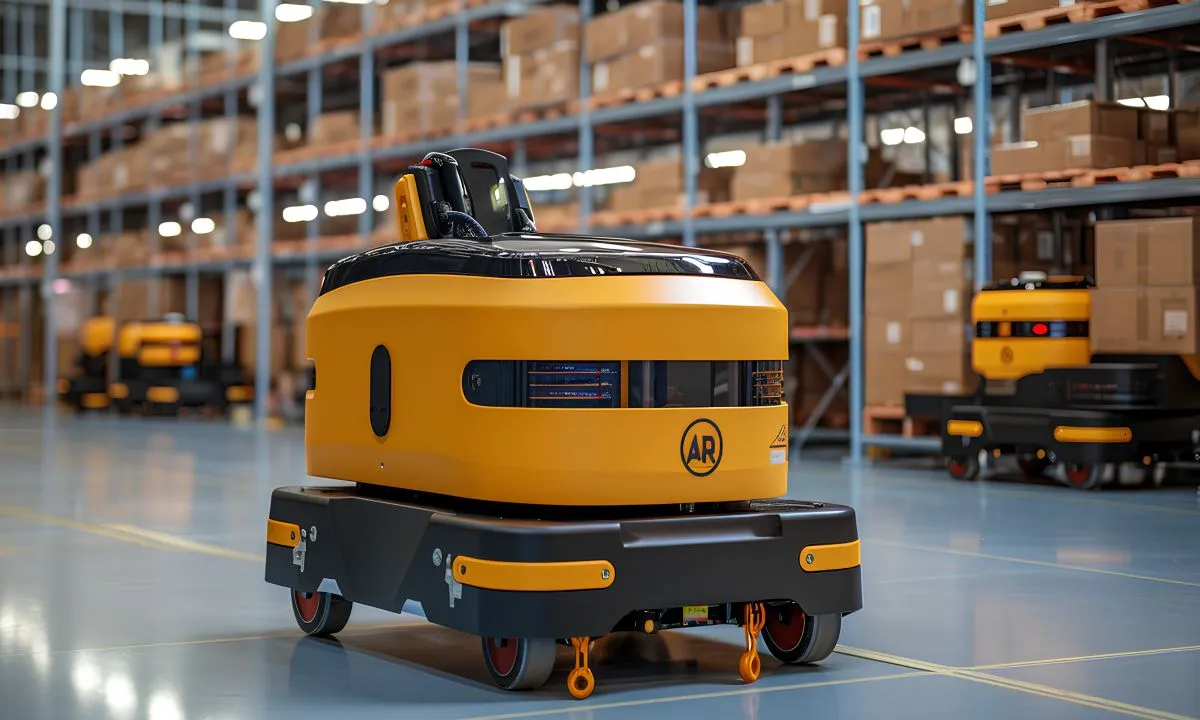
But another milestone deserved attention: Amazon now has more than a million robots working in its fulfillment network.
That figure puts a physical dimension on an AI discussion usually dominated by chips and data centers. Amazon expects robots to handle more repetitive work, lower delivery costs and help get orders to customers faster.
Responding to an analyst who asked about robotics priorities for 2027, Jassy said the company’s progress remains small compared with what he expects over the next five years.
“I think you’ll see we will always have a lot of teammates in our fulfillment centers, but I think a lot of the jobs that we have that are more repetitive, that we have humans doing, will be done by robots,” he said.
Jassy said new fulfillment facilities, including those supporting same-day delivery, will rely heavily on robotics. Amazon is also exploring how robots could help cover the final hundred yards to customers’ doors. Deployment depends on whether the machines improve productivity, safety, costs and delivery times.
Chief Financial Officer Brian Olsavsky supplied another measure of that expansion: Amazon doubled its fleet of robotic arms such as Cardinal and Sparrow in 2026.
Source link